5 Keto/Vegan/Paleo Meal Plans for Beginners
Starting a new diet can be overwhelming, but this guide simplifies the process with 5 distinct and beginner-friendly meal plans for Keto, Vegan, and Paleo lifestyles, helping you achieve your health goals.

Embarking on a new dietary journey can often feel overwhelming, especially when faced with popular yet distinct options like Keto, Vegan, and Paleo. If you are a beginner looking for clear guidance on how to integrate these powerful eating styles into your life, you have come to the right place. This comprehensive guide provides five distinct and actionable meal plans designed to kickstart your journey into Keto, Vegan, and Paleo diets, including innovative hybrid approaches. You will find practical, week-long meal plans that simplify the process, helping you understand what to eat and how to prepare it, paving the way for sustainable healthy eating habits.
Understanding the Diets: Keto, Vegan, and Paleo Explained
Before diving into specific meal plans, it is crucial to understand the foundational principles of each diet. Each approach offers unique benefits and restrictions, designed to support different health goals and ethical considerations.
The Ketogenic (Keto) Diet
The Keto diet is a very low-carb, high-fat, and moderate-protein eating plan. Its primary goal is to shift your body's metabolism into a state called ketosis, where it burns fat for fuel instead of carbohydrates. This process can lead to weight loss, improved blood sugar control, and increased energy levels. You will primarily consume healthy fats like avocados, olive oil, and nuts, along with proteins such as meat, fish, and eggs, and non-starchy vegetables.
The Vegan Diet
A Vegan diet is entirely plant-based, meaning it excludes all animal products, including meat, poultry, fish, dairy, eggs, and honey. This lifestyle is often adopted for ethical, environmental, or health reasons. A well-planned Vegan diet emphasizes fruits, vegetables, grains, legumes, nuts, and seeds. It is known for promoting heart health, managing weight, and reducing the risk of certain chronic diseases.
The Paleo Diet
The Paleo diet, often called the "caveman diet," aims to mimic the eating habits of our Stone Age ancestors. It focuses on whole, unprocessed foods that were presumably available to early humans. This includes lean meats, fish, fruits, vegetables, nuts, and seeds. It strictly excludes grains, legumes, dairy products, refined sugar, and processed foods. Proponents suggest it can reduce inflammation, improve digestion, and stabilize blood sugar levels.
Meal Plan 1: The 7-Day Keto Starter
This meal plan is designed to help beginners transition smoothly into the ketogenic lifestyle, focusing on delicious, low-carb, high-fat meals that keep you satisfied.
What is the Keto Diet?
The Keto diet restricts carbohydrate intake significantly, typically to under 50 grams per day, to induce a metabolic state called ketosis. In ketosis, your body becomes incredibly efficient at burning fat for energy. This plan prioritizes healthy fats, adequate protein, and minimal carbohydrates from non-starchy vegetables.
7-Day Keto Meal Plan
Day 1:
Breakfast: Scrambled eggs with spinach, mushrooms, and avocado.
Lunch: Large salad with grilled chicken, mixed greens, cucumber, olive oil dressing.
Dinner: Baked salmon with roasted asparagus and butter.Day 2:
Breakfast: Keto smoothie (almond milk, spinach, avocado, protein powder).
Lunch: Leftover salmon and asparagus.
Dinner: Beef stir-fry with broccoli, bell peppers (small amount), and soy sauce (or tamari).Day 3:
Breakfast: Omelet with cheese and bell peppers.
Lunch: Tuna salad (with mayo, celery, onion) served in lettuce cups.
Dinner: Pork chops with green beans sautéed in garlic butter.Day 4:
Breakfast: Chia seed pudding made with almond milk and a few berries.
Lunch: Leftover pork chops and green beans.
Dinner: Chicken thigh with creamy mashed cauliflower.Day 5:
Breakfast: Bacon and eggs.
Lunch: Cobb salad (lettuce, chicken, avocado, bacon, hard-boiled egg, blue cheese, olive oil dressing).
Dinner: Zucchini noodles with a rich meat sauce.Day 6:
Breakfast: Avocado toast (on low-carb bread or bell pepper slices).
Lunch: Leftover zucchini noodles and meat sauce.
Dinner: Keto pizza with a cauliflower crust and your favorite low-carb toppings.Day 7:
Breakfast: Keto pancakes (almond flour based) with sugar-free syrup.
Lunch: Chef salad with turkey, ham, cheese, and a low-carb dressing.
Dinner: Roast chicken with roasted Brussels sprouts.
Keto Beginner Tip: Hydration and electrolyte balance are crucial when starting Keto. Drink plenty of water and consider adding electrolyte supplements to prevent the "keto flu."

Meal Plan 2: The 7-Day Vegan Essentials
This beginner-friendly Vegan meal plan focuses on nutrient-dense plant-based foods, ensuring you receive all essential nutrients without animal products.
What is the Vegan Diet?
The Vegan diet is a commitment to consuming only plant-derived foods. It requires careful planning to ensure adequate intake of protein, iron, calcium, vitamin B12, and omega-3 fatty acids. This plan prioritizes whole grains, legumes, fruits, vegetables, nuts, and seeds.
7-Day Vegan Meal Plan
Day 1:
Breakfast: Oatmeal with berries, nuts, and plant-based milk.
Lunch: Lentil soup with a side of whole-grain bread.
Dinner: Tofu stir-fry with mixed vegetables (broccoli, carrots, bell peppers) and brown rice.Day 2:
Breakfast: Smoothie with spinach, banana, almond milk, and protein powder.
Lunch: Leftover tofu stir-fry.
Dinner: Chickpea and vegetable curry with quinoa.Day 3:
Breakfast: Whole-wheat toast with avocado and everything bagel seasoning.
Lunch: Large salad with mixed greens, chickpeas, cucumber, tomatoes, and a vinaigrette dressing.
Dinner: Black bean burgers on whole-wheat buns with sweet potato fries.Day 4:
Breakfast: Vegan yogurt with granola and fresh fruit.
Lunch: Leftover chickpea and vegetable curry.
Dinner: Pasta primavera with whole-wheat pasta and a variety of sautéed vegetables.Day 5:
Breakfast: Tofu scramble with nutritional yeast and kale.
Lunch: Hummus and veggie wrap in a whole-wheat tortilla.
Dinner: Vegan chili with kidney beans, black beans, corn, and diced tomatoes.Day 6:
Breakfast: Pancakes (vegan recipe) with fruit and maple syrup.
Lunch: Leftover vegan chili.
Dinner: Baked sweet potatoes topped with black beans, corn, salsa, and avocado.Day 7:
Breakfast: Fruit salad with a sprinkle of chia seeds.
Lunch: Peanut butter and banana sandwich on whole-wheat bread.
Dinner: Homemade vegetable pizza on a whole-wheat crust with vegan cheese.
Vegan Beginner Tip: Incorporate fortified foods and consider a B12 supplement, as it is not naturally found in plant foods. Focus on a variety of protein sources like legumes, tofu, tempeh, and nuts.
Meal Plan 3: The 7-Day Paleo Foundation
This Paleo meal plan helps beginners adopt an ancestral eating pattern, focusing on whole, unprocessed foods and avoiding modern dietary staples.
What is the Paleo Diet?
The Paleo diet emphasizes foods that were likely available to hunter-gatherers, promoting lean protein, healthy fats, fruits, and vegetables while excluding grains, legumes, dairy, and refined sugars. This approach aims to reduce inflammation and improve overall health by eating foods presumed to be genetically appropriate for humans.
7-Day Paleo Meal Plan
Day 1:
Breakfast: Scrambled eggs with mixed berries.
Lunch: Large salad with grilled chicken, avocado, and olive oil dressing.
Dinner: Baked cod with roasted sweet potatoes and broccoli.Day 2:
Breakfast: Smoothie with almond milk, spinach, banana, and a scoop of protein powder.
Lunch: Leftover baked cod and vegetables.
Dinner: Beef stew with carrots, celery, and sweet potatoes (no potatoes).Day 3:
Breakfast: Hard-boiled eggs and an apple.
Lunch: Tuna salad (with paleo mayo, celery) served in lettuce cups.
Dinner: Pork chops with sautéed green beans and almonds.Day 4:
Breakfast: Leftover pork chops.
Lunch: Chicken salad (with paleo mayo, grapes, walnuts) in lettuce cups.
Dinner: Roast chicken with roasted Brussels sprouts and butternut squash.Day 5:
Breakfast: Paleo pancakes (almond or coconut flour) with fruit.
Lunch: Leftover roast chicken and vegetables.
Dinner: Salmon patties (made with almond flour) and a side salad.Day 6:
Breakfast: Bacon and eggs with sliced avocado.
Lunch: Large veggie and protein salad with a homemade vinaigrette.
Dinner: Grilled steak with a large serving of steamed mixed vegetables.Day 7:
Breakfast: Fruit and nut butter.
Lunch: Leftover grilled steak and vegetables.
Dinner: Turkey meatballs (no breadcrumbs) with zucchini noodles and tomato sauce.
Paleo Beginner Tip: Focus on high-quality, grass-fed meats and organic produce when possible. Be mindful of fruit intake as some can be high in natural sugars.
Meal Plan 4: Integrating Diets - Keto-Vegan Hybrid
This advanced meal plan combines the principles of ketogenic and vegan diets, offering a unique and challenging yet rewarding approach to eating.
What is Keto-Vegan?
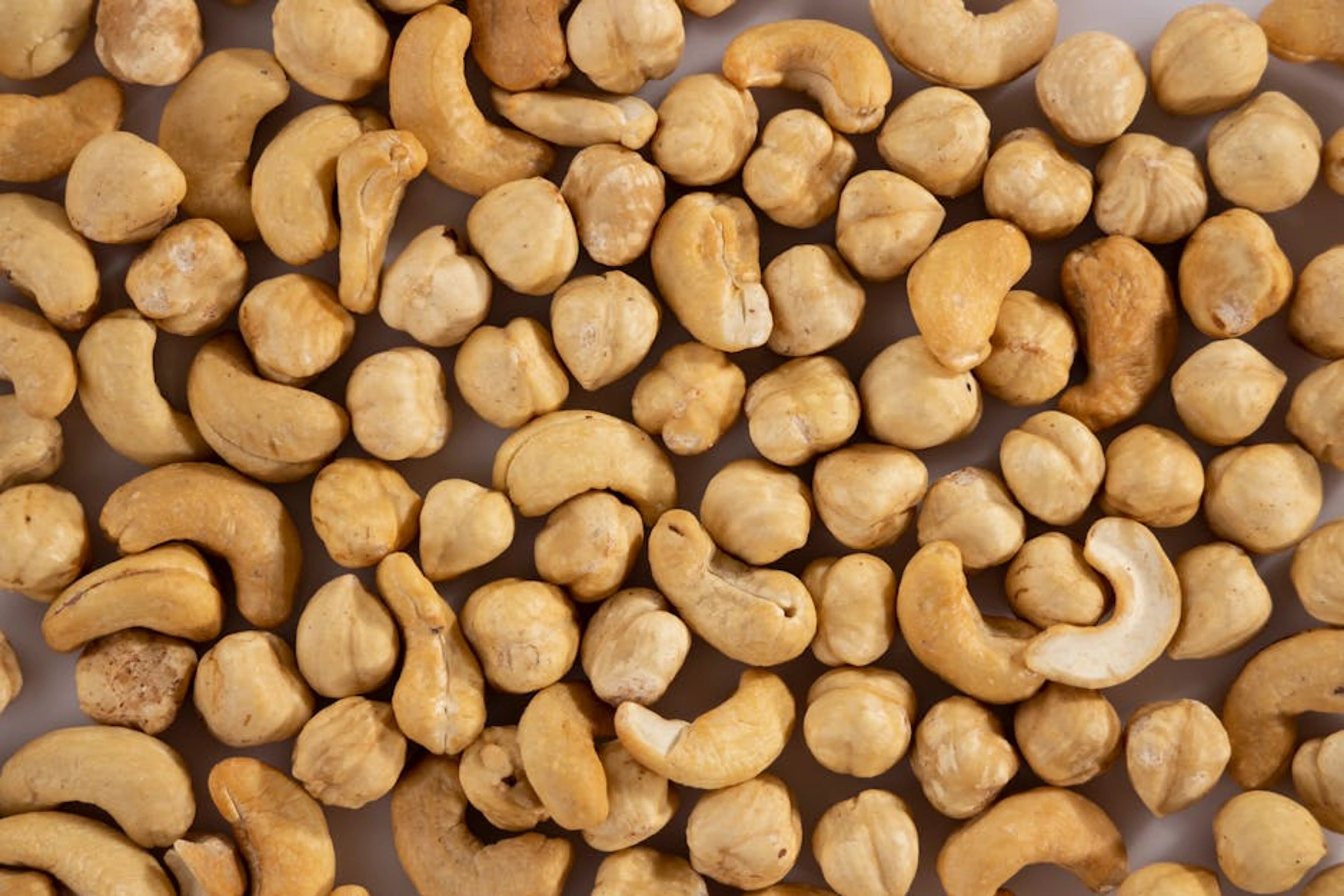
The Keto-Vegan diet is a plant-based, very low-carb, high-fat eating plan. It excludes all animal products while adhering to ketogenic macronutrient ratios. This means focusing on plant-based fats like avocados, coconut oil, nuts, and seeds, along with low-carb vegan proteins such as tofu, tempeh, and specific protein powders, and non-starchy vegetables. It requires careful planning to ensure nutritional adequacy.
7-Day Keto-Vegan Meal Plan
Day 1:
Breakfast: Tofu scramble with spinach, avocado, and nutritional yeast.
Lunch: Large salad with mixed greens, seeds (hemp, chia), and an olive oil vinaigrette.
Dinner: Cauliflower rice stir-fry with tempeh and low-carb vegetables (bok choy, mushrooms).Day 2:
Breakfast: Keto-vegan smoothie (almond milk, avocado, spinach, vegan protein powder).
Lunch: Leftover cauliflower rice stir-fry.
Dinner: Zucchini noodles with a creamy cashew sauce and sautéed mushrooms.Day 3:
Breakfast: Chia seed pudding made with coconut milk and a few raspberries.
Lunch: Mixed green salad with baked tofu cubes and a rich tahini dressing.
Dinner: Portobello mushroom steaks with asparagus roasted in coconut oil.Day 4:
Breakfast: Vegan omelet (chickpea flour based) with low-carb veggies.
Lunch: Leftover portobello mushroom steaks.
Dinner: "Fat bombs" (coconut oil, cocoa, nut butter) as a snack, followed by a large spinach salad with olives and avocado.Day 5:
Breakfast: Avocado toast on low-carb vegan bread or bell pepper slices.
Lunch: Vegan "egg" salad (made with tofu) in lettuce cups.
Dinner: Tempeh "bacon" with sautéed kale and avocado.Day 6:
Breakfast: Keto-vegan pancakes (almond flour based) with sugar-free syrup.
Lunch: Leftover tempeh "bacon" and kale.
Dinner: Baked avocado halves filled with a savory mixture of low-carb vegetables and nutritional yeast.Day 7:
Breakfast: Green smoothie (spinach, cucumber, celery, lemon, water).
Lunch: Large mixed green salad with a variety of seeds and a generous drizzle of olive oil.
Dinner: Tofu "steaks" marinated in soy sauce and ginger, served with blanched broccoli.
Keto-Vegan Beginner Tip: This diet is highly restrictive. Focus on nutrient density from a wide variety of low-carb plant foods and consider professional guidance to ensure adequate micronutrient intake, especially B12, iron, and calcium.
Meal Plan 5: Integrating Diets - Paleo-Vegan Blend
This meal plan combines the whole-food focus of Paleo with the plant-based principles of Veganism, resulting in a nutrient-rich and unprocessed eating style.
What is Paleo-Vegan?
The Paleo-Vegan diet is a plant-based approach that excludes grains, legumes, dairy, and refined sugars, similar to the Paleo diet, but also omits all animal products. This means a strong emphasis on fruits, vegetables, nuts, and seeds, all in their most natural, unprocessed forms. It's an excellent option for those seeking a clean, whole-food, plant-based diet without common allergens or inflammatory ingredients.
7-Day Paleo-Vegan Meal Plan
Day 1:
Breakfast: Berry smoothie with almond milk and chia seeds.
Lunch: Large salad with mixed greens, various vegetables, and a nut-based dressing.
Dinner: Zucchini noodles with a rich tomato sauce and sautéed mushrooms and spinach.Day 2:
Breakfast: Fruit salad with a sprinkle of pumpkin seeds.
Lunch: Leftover zucchini noodles.
Dinner: Cauliflower "steaks" seasoned and roasted, served with a side of avocado and fresh salsa.Day 3:
Breakfast: Avocado and tomato slices with a drizzle of olive oil.
Lunch: Large mixed vegetable salad with a variety of raw and roasted vegetables.
Dinner: Stuffed bell peppers with a mixture of cauliflower rice, herbs, and finely chopped vegetables.Day 4:
Breakfast: Green smoothie (kale, cucumber, apple, water).
Lunch: Leftover stuffed bell peppers.
Dinner: Large sweet potato baked and topped with a mix of sautéed non-starchy vegetables.Day 5:
Breakfast: Chia seed pudding with fresh fruit.
Lunch: Raw vegetable sticks with a homemade almond butter dip.
Dinner: "Nourish bowl" with roasted root vegetables, leafy greens, and a generous portion of nuts and seeds.Day 6:
Breakfast: Fresh fruit platter with a side of mixed nuts.
Lunch: Leftover nourish bowl.
Dinner: Large lettuce wraps filled with a medley of finely chopped vegetables and a savory dressing.Day 7:
Breakfast: Smoothie bowl with blended fruits, topped with seeds and berries.
Lunch: Large garden salad with a variety of colorful vegetables and a lemon-tahini dressing.
Dinner: Vegetable skewers (bell peppers, zucchini, cherry tomatoes) grilled with herbs.
Paleo-Vegan Beginner Tip: Focus on consuming a wide spectrum of colorful fruits and vegetables to ensure diverse nutrient intake. Plant-based fats from avocados, nuts, and seeds are essential for energy.
Key Considerations for Beginners
Regardless of which diet you choose, success hinges on careful planning and mindful practices. Consider these points to ensure a smooth and sustainable transition:
Hydration: Drink plenty of water throughout the day. Water is essential for all bodily functions and can help manage hunger and cravings.
Nutrient Density: Especially with restrictive diets, prioritize nutrient-dense foods. Focus on variety to ensure you are getting a broad spectrum of vitamins and minerals. Consider consulting a nutritionist to ensure you are meeting all your needs.
Meal Prep: Planning and preparing your meals in advance can significantly increase your chances of success. Dedicate time each week to grocery shopping and cooking batches of food.
Listen to Your Body: Pay attention to how different foods affect you. Energy levels, digestion, and mood are important indicators. Adjust your diet as needed based on your body's signals.
Consulting a Professional: Before making significant dietary changes, especially if you have underlying health conditions, consult with a doctor or a registered dietitian. They can provide personalized advice and ensure your diet is safe and appropriate for your individual needs.
Comparison of Diets: Macronutrients and Food Groups
Understanding the key differences in macronutrient focus and food inclusions/exclusions can help you choose the best diet for your goals.
DietPrimary Macronutrient FocusKey Food Groups IncludedKey Food Groups ExcludedKetoHigh Fat, Moderate Protein, Very Low CarbMeat, Fish, Eggs, Healthy Fats, Non-Starchy Vegetables, Nuts, SeedsGrains, Legumes, Starchy Vegetables, Fruits (most), SugarsVeganBalanced (Carbs, Protein, Fat) from PlantsFruits, Vegetables, Grains, Legumes, Nuts, Seeds, Plant-Based ProteinsAll Animal Products (Meat, Dairy, Eggs, Honey)PaleoModerate Protein, Moderate Fat, Moderate Carb (from whole foods)Lean Meats, Fish, Eggs, Fruits, Vegetables, Nuts, Seeds, Healthy FatsGrains, Legumes, Dairy, Refined Sugars, Processed FoodsKeto-VeganHigh Fat, Moderate Protein, Very Low Carb (Plant-Based)Avocado, Coconut Oil, Nuts, Seeds, Tofu, Tempeh, Low-Carb VegetablesAll Animal Products, Grains, Legumes, Starchy Vegetables, Most Fruits, SugarsPaleo-VeganBalanced (Carbs, Protein, Fat) from Whole Plants (No Grains/Legumes)Fruits, Vegetables, Nuts, Seeds, Plant-Based FatsAll Animal Products, Grains, Legumes, Refined Sugars, Processed Foods
Frequently Asked Questions (FAQ)
Can I combine these diets long-term?
While this article presents hybrid options, combining highly restrictive diets long-term without professional guidance can be challenging for nutritional completeness. It is generally recommended to use combined approaches as a short-term exploration or with careful planning. For sustainable long-term health, you should focus on a balanced intake of whole, unprocessed foods and consult a registered dietitian to ensure all your nutritional needs are met.
How do I ensure I get all necessary nutrients on these restrictive diets?
To ensure nutrient adequacy on restrictive diets, focus on variety within the allowed food groups. For Vegan and Keto-Vegan diets, pay close attention to vitamin B12 (supplementation often required), iron (from leafy greens, fortified foods), calcium (fortified plant milks, sesame seeds), and omega-3s (chia seeds, flaxseeds, walnuts). For Keto diets, ensure sufficient electrolytes. Regularly consuming a diverse range of whole foods, tracking your intake, and considering targeted supplements under professional advice are key.
What are common challenges beginners face and how can they overcome them?
Beginners often face challenges such as cravings, social eating difficulties, and the initial learning curve of meal preparation. To overcome these, establish a consistent meal prep routine, find healthy alternatives for your favorite comfort foods, and communicate your dietary choices to friends and family. Education is also vital; understanding why you are making these changes can strengthen your resolve. Patience and self-compassion are important as you adapt to new eating patterns.
Conclusion
Embarking on a new dietary path with Keto, Vegan, or Paleo principles can be a transformative experience for your health and well-being. This guide has provided you with five distinct meal plans to help you confidently take those first steps, whether you opt for a single approach or explore a thoughtful hybrid. Remember that consistency, mindful eating, and listening to your body are paramount to success. By focusing on whole, nutrient-dense foods and making informed choices, you are well-equipped to achieve your health goals and cultivate sustainable eating habits.
Content is for information only; Author/Site is not liable for decisions made; Reader is responsible for their own actions.
------end of article------