Air Fryer & Instant Pot: Your Mealtime Solved?
Struggling with meal prep and kitchen clutter? This comprehensive guide explores how the Air Fryer and Instant Pot can simplify your cooking, offering speed, versatility, and healthier options. Find out which appliance is best for your needs and how to use them together for ultimate mealtime efficiency.

Are you tired of the modern kitchen dilemma: a countertop cluttered with gadgets, yet still not enough time to prepare healthy, delicious meals? Many home cooks find themselves caught between the desire for convenience and the reality of complex cooking. The good news is, a solution might be simpler than you think. The Air Fryer and the Instant Pot have emerged as two of the most popular and proven appliances, each promising to streamline your cooking process and deliver impressive results.
These innovative tools are not just fleeting trends; they represent a significant shift in how people approach daily meal preparation, offering tangible benefits in terms of speed, versatility, and healthier eating. This comprehensive article will guide you through understanding and effectively utilizing both the Air Fryer and the Instant Pot, providing you with the knowledge and practical tips to definitively solve your mealtime challenges and transform your kitchen experience.
Understanding Your Air Fryer: Crispy Convenience
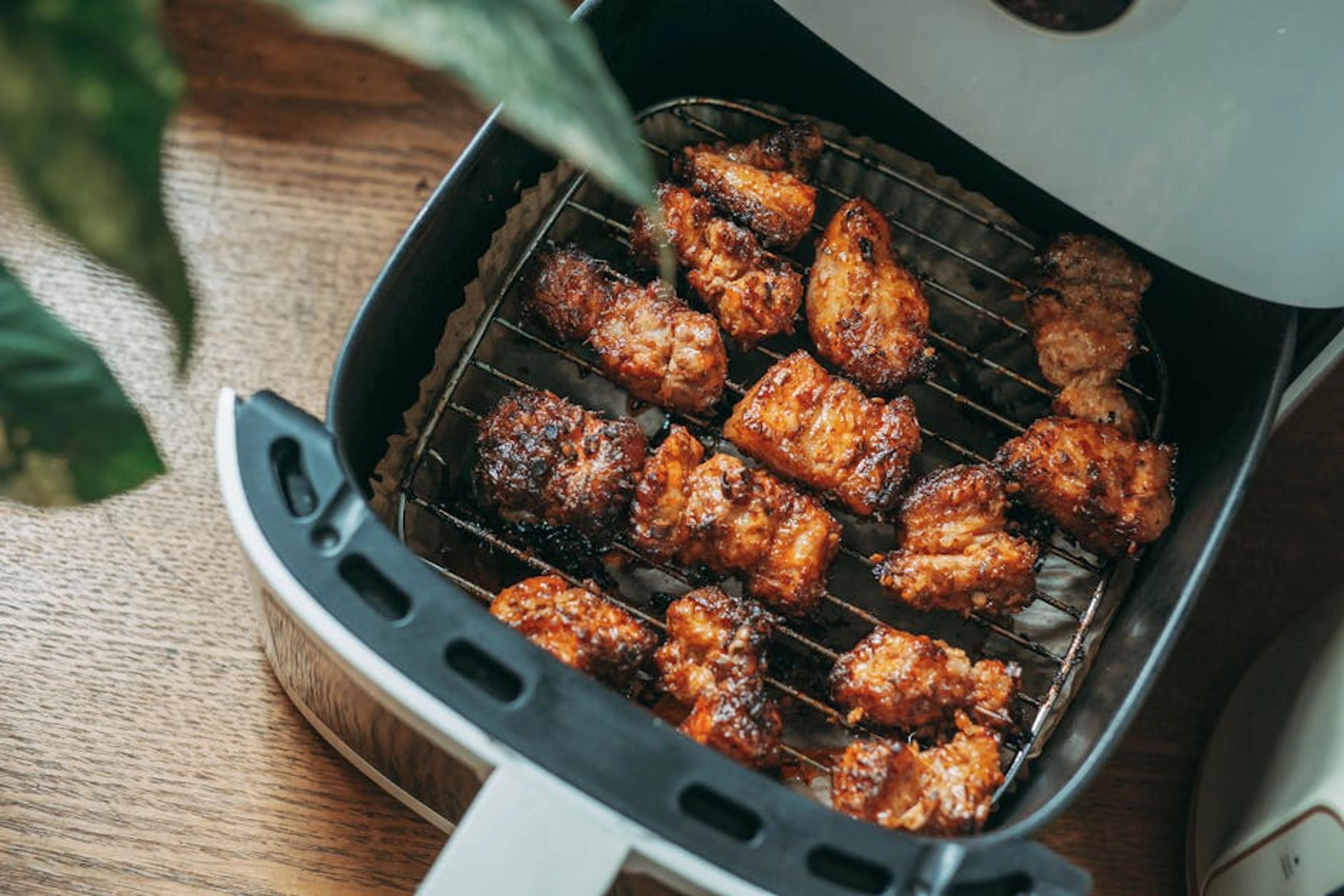
The Air Fryer has rapidly become a kitchen staple for those craving crispy textures without the guilt or mess of deep frying. But what exactly is it, and how does it achieve that perfect crunch?
What is an Air Fryer? (The science behind the crisp)
An Air Fryer is essentially a compact convection oven. It's designed to simulate deep frying without submerging food in oil. The 'science behind the crisp' lies in its powerful heating element and a high-speed fan that rapidly circulates hot air around the food. This creates a superheated environment that cooks food quickly and creates a crispy, browned layer through the Maillard reaction, a chemical process that gives browned foods their distinctive flavor and aroma.
How it Works: Hot air circulation vs. deep frying.
Unlike deep frying, which relies on hot oil for heat transfer and crisping, an Air Fryer uses intensely circulated hot air. A small amount of oil (often just a tablespoon or less, or even none for some foods) is typically tossed with the food to enhance browning and flavor, but it’s not essential for the cooking process itself. The hot air rapidly cooks the food from all sides, mimicking the effect of deep-frying by dehydrating the surface and creating a crunchy exterior while keeping the interior moist.
Key Benefits for You: Speed, healthier cooking, versatility.
Speed: Air Fryers preheat quickly and cook many foods faster than a conventional oven due to their smaller size and efficient air circulation.
Healthier Cooking: Significantly reduces the amount of oil needed, leading to meals with fewer calories and less fat compared to traditional frying methods.
Versatility: Beyond 'frying,' Air Fryers can roast vegetables, bake small cakes, grill sandwiches, and reheat leftovers to their original crispness.
Convenience: Less mess than deep frying, easier cleanup, and often more compact than a full-sized oven.
Getting Started: Essential tips for your first use.
To ensure success with your new Air Fryer, consider these initial tips:
Read Your Manual: Each model can have slight variations in operation.
Preheating is Key: Just like an oven, preheating your Air Fryer for 3-5 minutes helps achieve consistent cooking and crispier results.
Don't Overcrowd the Basket: Arrange food in a single layer to allow hot air to circulate evenly. Cook in batches if necessary.
Shake or Flip: For even cooking and browning, shake the basket or flip items halfway through the cooking time.
Use Minimal Oil (or none): A light spray or toss with a teaspoon of oil is often enough. For naturally fatty foods like chicken wings, you might not need any extra oil.
Clean After Each Use: This prevents buildup and maintains performance.
Common Air Fryer Uses: French fries, chicken wings, vegetables, frozen foods.
The Air Fryer excels at making your favorite crispy foods:
Crispy French Fries & Potato Wedges: Achieve restaurant-quality fries with minimal oil.
Chicken Wings & Tenders: Perfectly crispy skin and juicy meat.
Roasted Vegetables: Brussels sprouts, broccoli, and asparagus become tender-crisp.
Frozen Foods: Mozzarella sticks, chicken nuggets, fish sticks, and spring rolls cook faster and crispier than in a traditional oven.
Reheating Leftovers: Pizza, spring rolls, or fried chicken get a new lease on life, crispy and hot.
Mastering Your Instant Pot: Pressure Cooking Powerhouse
While the Air Fryer masters crispiness, the Instant Pot conquers tenderness and speed for a different set of culinary challenges. It's much more than just a pressure cooker.
What is an Instant Pot? (The multi-cooker marvel)
An Instant Pot is a brand of multi-functional electric pressure cooker. It combines several appliances into one, typically including a pressure cooker, slow cooker, rice cooker, steamer, sauté pan, yogurt maker, and food warmer. Its true marvel lies in its ability to cook food significantly faster than traditional methods by utilizing steam pressure.
How it Works: Understanding pressure cooking, sauté, slow cook, yogurt functions.
Pressure Cooking: This is its flagship function. The Instant Pot heats liquid inside a sealed pot, creating steam that increases pressure. This elevated pressure raises the boiling point of water, allowing food to cook at higher temperatures and thus much faster, while also tenderizing tough cuts of meat and infusing flavors deeply.
Sauté: The inner pot can be heated like a pan, allowing you to brown meats and sauté vegetables directly in the pot before pressure cooking, building layers of flavor.
Slow Cook: It functions as a traditional slow cooker, cooking food gently over a longer period at lower temperatures.
Yogurt Maker: Many models have a dedicated function for fermenting milk into homemade yogurt.
Steamer/Rice Cooker: Perfect for perfectly fluffy rice, steamed vegetables, or even eggs.
Key Benefits for You: Speed (reduced cooking times), one-pot meals, energy efficiency, tender results.
Reduced Cooking Times: Drastically cuts down cooking time for dishes that typically take hours, like stews, chili, or tough meats.
One-Pot Meals: The sauté function allows you to brown ingredients before cooking, making it ideal for true one-pot wonders that minimize cleanup.
Energy Efficiency: Cooks food faster and more efficiently than a conventional stove or oven, saving energy.
Tender Results: Pressure cooking tenderizes even the toughest cuts of meat and helps infuse flavors deeply into your food.
Hands-Off Cooking: Once set, the Instant Pot handles the cooking, freeing you up for other tasks.
Getting Started: Essential tips for your first use.
Before diving into complex recipes, familiarize yourself with these basics:
The Water Test: Always perform an initial water test (detailed in your manual) to ensure the Instant Pot is working correctly and to get comfortable with its operation.
Minimum Liquid Requirement: Pressure cooking requires liquid to create steam. Always ensure you add at least 1 cup of liquid (unless the recipe specifies otherwise for specific models or foods) to avoid a burn notice.
Sealing Ring: Ensure the silicone sealing ring is properly seated in the lid before each use. A misplaced ring will prevent the pot from coming to pressure.
Venting Knob: Always make sure the steam release handle (venting knob) is in the 'Sealing' position for pressure cooking.
Natural Release (NR) vs. Quick Release (QR): Understand when to use each. NR allows pressure to dissipate gradually, ideal for foamy foods or large cuts of meat. QR involves manually opening the vent, faster but can cause liquid to spray or food to foam.
Common Instant Pot Uses: Soups, stews, rice, beans, tough cuts of meat, yogurt.
The Instant Pot shines in preparing:
Soups & Stews: Hearty beef stew, chicken noodle soup, or lentil soup in a fraction of the time.
Rice & Grains: Perfectly cooked white rice, brown rice, quinoa, or steel-cut oats.
Beans: Dried beans cook quickly without pre-soaking.
Tough Cuts of Meat: Pot roast, pulled pork, or ribs become fall-off-the-bone tender.
Hard-Boiled Eggs: Easy to peel and perfectly cooked every time.
Yogurt: Homemade yogurt with precise temperature control.
Air Fryer vs. Instant Pot: Which Tool for Which Task?
While both appliances offer incredible convenience, they excel in different areas. Understanding their core differences will help you choose the right tool for the job.
Core Differences: Cooking method, texture achieved, primary functions.
Cooking Method: The Air Fryer uses dry, circulating hot air (convection heat), while the Instant Pot primarily uses moist heat under pressure (steam pressure).
Texture Achieved: Air Fryers produce crispy, crunchy, and browned exteriors. Instant Pots yield tender, moist, and deeply flavored results.
Primary Functions: Air Fryers are best for 'frying,' roasting, baking, and reheating. Instant Pots are best for pressure cooking, slow cooking, steaming, and sautéing.
When to Choose Your Air Fryer: For achieving crispiness, quick snacks, reheating.
Choose your Air Fryer when your goal is a crispy exterior, quick cooking for smaller portions, or reviving leftovers.
Crispy Textures: If you want golden-brown fries, crunchy chicken skin, or perfectly roasted vegetables.
Quick Snacks & Appetizers: Ideal for fast-cooking items like spring rolls, mozzarella sticks, or a batch of chips.
Reheating: Far superior to a microwave for reheating anything you want to be crispy again (e.g., pizza, fried chicken).
Small Batch Roasting/Baking: For when you don't want to heat up a large oven for a small amount of food.
When to Choose Your Instant Pot: For tenderizing meats, batch cooking, one-pot meals, saving time on long-cook items.
Opt for your Instant Pot when you need to tenderize ingredients, create a complete one-pot meal, or significantly reduce the cooking time of traditionally long-cook dishes.
Tenderizing Meats: For tough cuts like roasts, ribs, or stewing beef that benefit from moist, high-pressure cooking.
Batch Cooking & Meal Prep: Excellent for preparing large quantities of grains, beans, soups, or shredded meats for future meals.
One-Pot Meals: Perfect for chili, stews, curries, or pasta dishes where all ingredients cook together.
Saving Time: When you need a dish that usually takes hours (like pulled pork or broth) ready in a fraction of the time.
Hands-Off Cooking: Set it and forget it, ideal for busy weeknights.
Synergy: How they can complement each other in meal preparation.
The true power lies in using both appliances together. They don't compete; they complement:
Instant Pot First, Air Fryer Second: Cook a whole chicken or pork shoulder in the Instant Pot until tender, then transfer it to the Air Fryer for a crispy skin or browned exterior.
Main & Side Combo: Prepare a main dish in the Instant Pot (e.g., Instant Pot pulled chicken) while simultaneously making a crispy side in the Air Fryer (e.g., Air Fryer roasted potatoes or Brussels sprouts).
Meal Prep Efficiency: Use the Instant Pot to batch cook grains or protein, then use the Air Fryer to crisp up portions for quick meals throughout the week.
Practical Meal Solutions: Putting Them to Work
Let's explore how these appliances can tackle your daily meal challenges with practical, delicious solutions.
Breakfast Ideas: Instant Pot oatmeal, Air Fryer breakfast potatoes.
Instant Pot Oatmeal: Prepare creamy, perfectly cooked steel-cut oats or rolled oats in minutes, freeing up your stovetop. Add fruit and nuts after cooking.
Air Fryer Breakfast Potatoes: Cube potatoes, toss with a little oil and seasoning, and air fry until golden and crispy. A fantastic alternative to hash browns.
Lunch Solutions: Air Fryer grilled cheese, Instant Pot soup.
Air Fryer Grilled Cheese: For a perfectly golden, crispy exterior and melted interior without constant flipping on the stove.
Instant Pot Soup: Whip up a hearty lentil soup, chicken noodle, or tomato soup in under 30 minutes, perfect for meal prepping a week's worth of lunches.
Dinner Strategies: Air Fryer salmon with roasted vegetables, Instant Pot pulled pork/chicken.
Air Fryer Salmon with Roasted Vegetables: Place seasoned salmon fillets and quick-cooking vegetables (like asparagus or bell peppers) in the Air Fryer basket for a complete, healthy, and fast dinner.
Instant Pot Pulled Pork/Chicken: Transform tough cuts into tender, shreddable meat for tacos, sandwiches, or salads in a fraction of the time it would take in a slow cooker.
Side Dishes: Air Fryer Brussels sprouts, Instant Pot mashed potatoes.
Air Fryer Brussels Sprouts: Achieve beautifully caramelized and crispy Brussels sprouts that even skeptics will love.
Instant Pot Mashed Potatoes: Cook and steam potatoes directly in the Instant Pot, then mash them in the same pot for incredibly fluffy results with minimal cleanup.
Healthy Swaps: How these appliances help you make healthier choices.
Both appliances are excellent tools for promoting healthier eating habits:
Reduced Fat: The Air Fryer allows you to enjoy 'fried' foods with significantly less oil, cutting down on unhealthy fats.
More Vegetables: Air frying makes vegetables more appealing and quicker to prepare, encouraging higher consumption.
Whole Grains & Legumes: The Instant Pot makes cooking whole grains and dried beans incredibly convenient, replacing processed alternatives.
Home Cooking: By making cooking easier and faster, these appliances reduce reliance on takeout and pre-packaged meals, giving you more control over ingredients and nutrition.
Comparison Data Summary
To help you quickly discern which appliance is best for your immediate needs, here's a summary of key features and typical use cases.
Table: Key Features Comparison
FeatureAir FryerInstant PotCooking MethodHot Air Circulation (Convection)Pressure Cooking (Steam), Slow Cook, SautéPrimary TextureCrispy, Crunchy, Golden-BrownTender, Moist, Deeply FlavoredIdeal ForFrying, Roasting, Baking, ReheatingPressure Cooking, Slow Cooking, Steaming, Sautéing, Rice, YogurtCooking Time (Example: Chicken Breast)15-20 minutes8-10 minutes (plus pressure build/release)Cooking Time (Example: Potatoes)18-25 minutes (cubed/fries)5-8 minutes (cubed, plus pressure build/release)Ease of UseVery straightforward, minimal settingsRequires understanding of pressure settings and releasesCleaningBasket and drawer, often non-stickInner pot (stainless steel), sealing ring, lidEnergy EfficiencyEfficient for small batchesEfficient for long-cook items
Use Case Summary: Quick guide on matching appliance to desired outcome.
For Crispy Snacks or Sides: Air Fryer
For Quick & Tender Meat/Legumes: Instant Pot
For Reheating Leftovers to Perfection: Air Fryer
For Hands-Off Stews or Soups: Instant Pot
For Healthier 'Fried' Foods: Air Fryer
For Batch Cooking Grains or Beans: Instant Pot
For a Complete Meal with Crispy Elements: Use both in tandem!
FAQ Section
Q1: Can I use my Instant Pot as an air fryer, or vice versa?
No, a standard Instant Pot cannot function as an air fryer, and an Air Fryer cannot function as a pressure cooker. They use fundamentally different cooking technologies. However, some Instant Pot models now offer an additional Air Fryer lid accessory that converts your Instant Pot into a dual-purpose appliance. If you have this specific accessory, then yes, your Instant Pot can air fry. Otherwise, they are distinct.
Q2: Which appliance is easier to clean?
Generally, the Air Fryer is considered easier to clean for daily use. Its basket and drawer are typically non-stick and often dishwasher safe. The Instant Pot's stainless steel inner pot is also easy to clean and dishwasher safe, but the lid and sealing ring require more attention to ensure no food particles or odors linger, especially in the sealing ring's crevices.
Q3: What are the most common mistakes beginners make with these appliances?
Air Fryer: Overcrowding the basket (leads to steaming, not crisping), forgetting to preheat, not shaking/flipping food, and using too much oil.
Instant Pot: Not adding enough liquid for pressure cooking (can cause 'Burn' error), forgetting to seal the vent, not properly seating the sealing ring, and attempting quick release with foamy foods. Always read the manual and follow tested recipes when starting out.
Conclusion
The modern kitchen doesn't have to be a source of stress or endless cleanup. As you've seen, the Air Fryer and Instant Pot are not just trendy gadgets; they are powerful, versatile tools capable of revolutionizing your mealtime. They effectively address the common challenges of limited time, the desire for healthier options, and the need for diverse culinary outcomes, proving that your mealtime can indeed be solved.
By understanding each appliance's strengths and learning how to leverage their unique capabilities—both individually and in harmony—you gain the power to prepare a vast array of delicious, healthy meals with unprecedented speed and convenience. You are now equipped with the knowledge to experiment, discover your own favorite uses, and confidently tackle any recipe.
Investing in an Air Fryer and an Instant Pot is an investment in a more efficient, enjoyable, and less stressful kitchen experience. Embrace these culinary companions, and unlock a world of delicious possibilities at your fingertips.
Content is for information only; Author/Site is not liable for decisions made; Reader is responsible for their own actions.
------end of article------