Aquarium Setup: Is Your Tank Balanced?
Achieving a balanced aquarium is the cornerstone of successful fishkeeping. This comprehensive guide delves into the critical elements like the nitrogen cycle, water parameters, stocking, and maintenance to help you create a stable and healthy environment for your aquatic inhabitants.

Establishing a thriving aquarium is a rewarding endeavor, but it often presents a fundamental challenge: ensuring your tank is truly balanced. Many aspiring aquarists face issues like unexplained fish deaths, cloudy water, or persistent algae blooms, all stemming from an imbalance in their aquatic environment. This comprehensive guide will equip you with the knowledge and actionable steps to understand, create, and maintain a perfectly balanced aquarium, transforming it into a stable and vibrant ecosystem.
Understanding the Delicate Balance of an Aquarium Ecosystem
An aquarium is more than just a glass box with water; it's a miniature ecosystem, a delicate interplay of biological, chemical, and physical processes. Just like any natural environment, it requires a careful equilibrium to support life. When this balance is disrupted, the consequences can range from stressed fish to complete system collapse. Understanding the foundational principles discussed in this guide is crucial for long-term success and the well-being of your aquatic inhabitants.
The Nitrogen Cycle - The Foundation of a Healthy Tank
The nitrogen cycle is the single most critical biological process in any closed aquatic system. Without a properly established nitrogen cycle, your aquarium cannot sustain life.
What is the Nitrogen Cycle?
The nitrogen cycle is a natural biological process that converts toxic waste products, primarily from fish waste, uneaten food, and decaying plant matter, into less harmful substances. It relies on specific beneficial bacteria that colonize surfaces within your tank, such as filter media, substrate, and decorations.
The Key Players: Ammonia, Nitrite, and Nitrate
Ammonia (NH3/NH4+): This is the most toxic compound. It's produced directly from fish waste and decaying organic matter. Even small amounts are highly lethal to fish.
Nitrite (NO2-): Ammonia is converted into nitrite by Nitrosomonas bacteria. While less toxic than ammonia, nitrite is still very dangerous to aquatic life, preventing red blood cells from carrying oxygen.
Nitrate (NO3-): Nitrite is then converted into nitrate by Nitrobacter bacteria. Nitrate is far less toxic than ammonia or nitrite, but high levels can still cause stress, inhibit growth, and lead to algae blooms. Regular water changes are the primary method for removing nitrate.
Establishing the Cycle: Fishless vs. Fish-in Cycling
Before adding fish, you must establish a functioning nitrogen cycle. There are two primary methods:
Fishless Cycling: This is the recommended and most humane method. You add a source of ammonia (e.g., pure ammonia solution or a decaying shrimp) to the tank, allowing beneficial bacteria to colonize and process it into nitrite and then nitrate. This method typically takes 3-6 weeks but ensures no fish are harmed by toxic compounds.
Fish-in Cycling: This method involves adding a few hardy fish to the tank, and their waste provides the initial ammonia source. However, it exposes fish to harmful levels of ammonia and nitrite, often leading to stress, disease, or death. It requires diligent daily water testing and frequent small water changes to keep toxins diluted.
Monitoring Your Cycle: Essential Test Kits
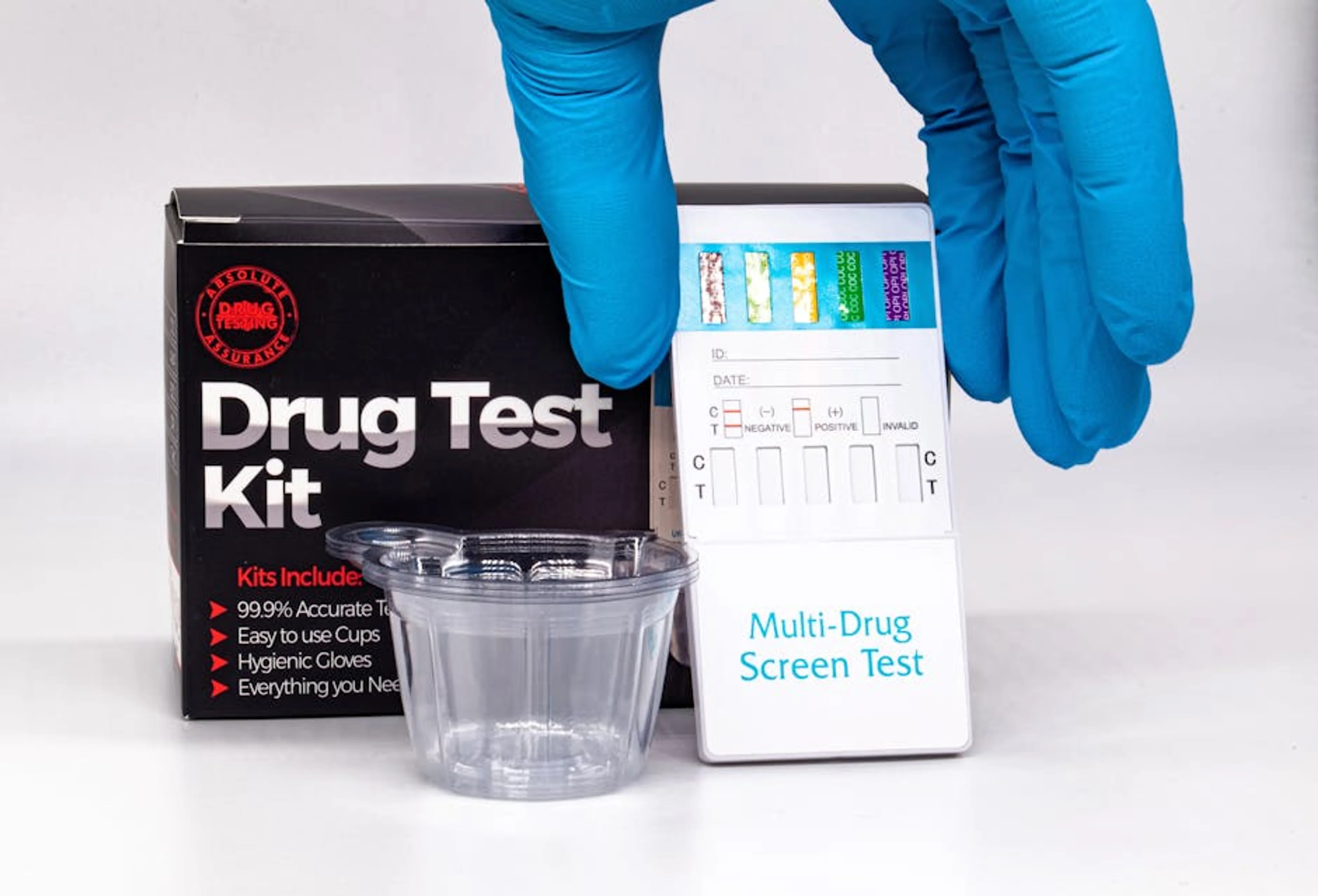
Accurate water testing is non-negotiable for monitoring the nitrogen cycle. You will need a reliable liquid-based test kit that measures ammonia, nitrite, and nitrate. Test strips can be convenient but are often less accurate than liquid kits. During cycling, you should test daily. Once cycled, weekly or bi-weekly testing is sufficient to ensure stability.
Key Parameters for a Balanced Aquarium
Beyond the nitrogen cycle, several other water parameters must be kept stable and within appropriate ranges for your specific aquatic inhabitants.
Temperature: Maintaining Stability
Most tropical fish require stable water temperatures, typically between 74-80°F (23-27°C). Fluctuations can stress fish, weaken their immune systems, and make them susceptible to disease. A reliable aquarium heater with a thermostat is essential, along with a thermometer to monitor the actual water temperature.
pH Levels: Acidity and Alkalinity
pH measures the acidity or alkalinity of your water on a scale of 0-14. A pH of 7 is neutral, below 7 is acidic, and above 7 is alkaline. Different fish species have specific pH requirements. For instance, many South American cichlids prefer acidic water (e.g., 6.0-7.0), while African cichlids thrive in alkaline conditions (e.g., 7.8-8.5). Stable pH is more important than hitting an exact number, as sudden shifts can be deadly.
Water Hardness (GH and KH): Essential Minerals
General Hardness (GH): Measures the concentration of dissolved mineral ions, primarily calcium and magnesium. It affects osmotic regulation in fish and plant growth.
Carbonate Hardness (KH) or Alkalinity: Measures the concentration of carbonates and bicarbonates, which act as a buffer against rapid pH changes. A stable KH is crucial for preventing pH crashes.
Like pH, ideal GH and KH levels depend on the species you keep. Research the specific requirements of your chosen fish and plants.
Ammonia, Nitrite, and Nitrate Levels: The Holy Trinity
Once your tank is cycled, your goal is to maintain:
Ammonia: 0 ppm
Nitrite: 0 ppm
Nitrate: Below 20 ppm (some sensitive species prefer even lower, e.g., below 10 ppm)
Any detectable ammonia or nitrite indicates a problem with your nitrogen cycle and requires immediate action.
Dissolved Oxygen: The Breath of Your Tank
Fish and beneficial bacteria require dissolved oxygen to survive. Adequate surface agitation (from filters or air pumps) is crucial for oxygen exchange. Heavily planted tanks can produce oxygen during the day but consume it at night. Signs of low dissolved oxygen include fish gasping at the surface.
Choosing the Right Inhabitants for Your Balanced Ecosystem
The inhabitants of your aquarium play a significant role in its balance. Careful selection and introduction are key.
Stocking Levels: The Golden Rule of 'Less is More'
Overstocking is one of the quickest ways to unbalance an aquarium. More fish mean more waste, which puts a greater strain on your filter and the nitrogen cycle. A common guideline is one inch of adult fish per gallon of water, but this is a very rough estimate. Consider the adult size of the fish, their waste production, and activity levels. Err on the side of understocking.
Compatibility: Ensuring Peaceful Coexistence
Research fish compatibility thoroughly. Mixing aggressive species with peaceful ones, or large fish with small ones, often leads to stress, injury, or death. Consider temperament, adult size, preferred water parameters, and dietary needs. For example, a predatory fish will likely eat smaller tank mates.
Fish, Invertebrates, and Plants: Understanding Their Roles
Fish: The primary inhabitants, contributing to the bioload.
Invertebrates: Snails and shrimp can be excellent scavengers, helping to clean up uneaten food and algae. However, some snails can reproduce rapidly.
Plants: Live plants are incredibly beneficial. They absorb nitrates, produce oxygen, provide shelter for fish, and compete with algae for nutrients.
Acclimation: Introducing New Additions Safely
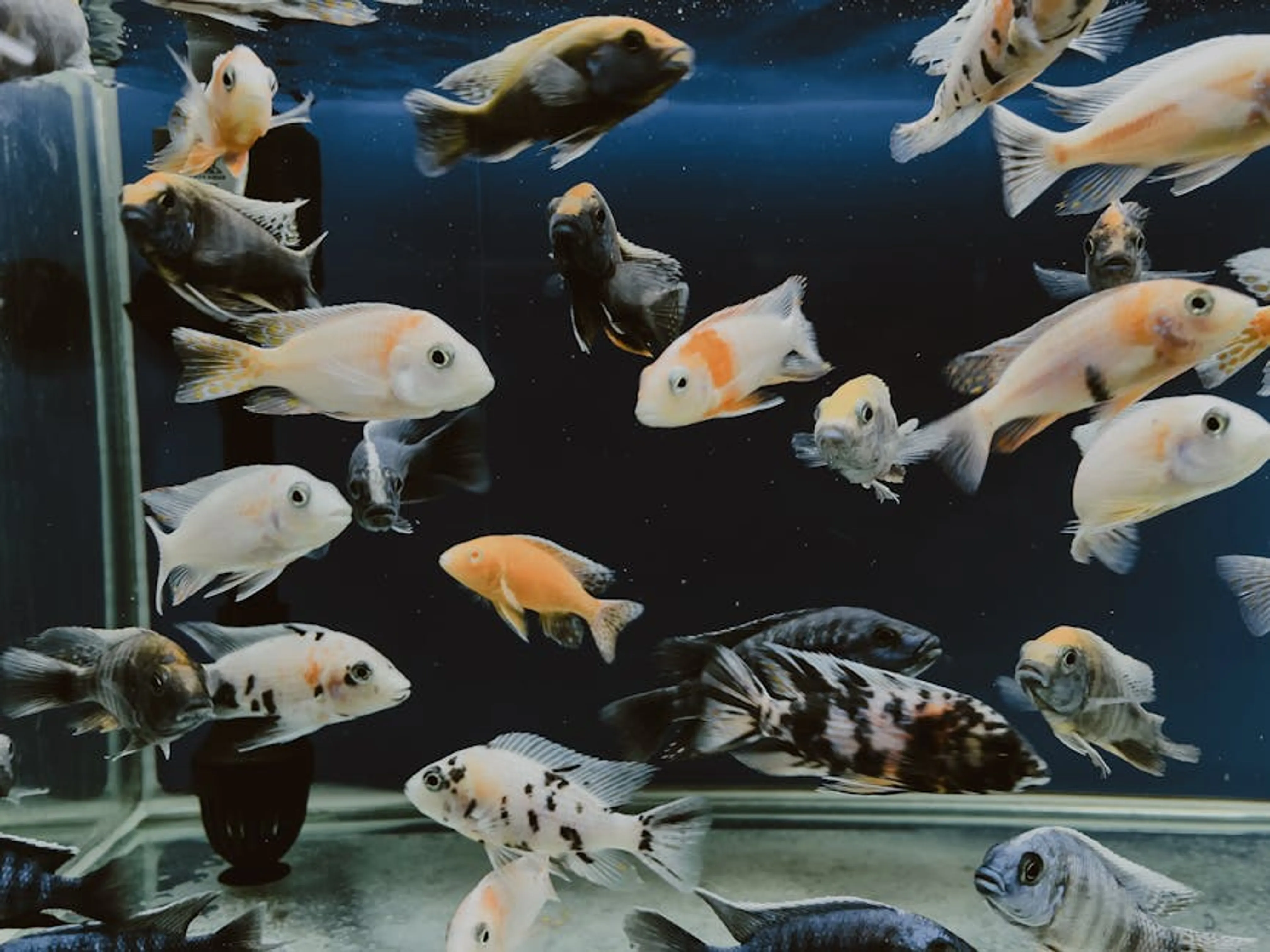
When introducing new fish or invertebrates, proper acclimation is vital to prevent shock. The most common methods involve slowly adjusting the new arrivals to your tank's water parameters (temperature, pH, hardness) by floating the bag and gradually adding small amounts of tank water over 30-60 minutes before releasing them.
Maintaining Balance: Ongoing Care and Troubleshooting
A balanced aquarium is not a 'set it and forget it' system. Consistent maintenance is required.
Water Changes: The Cornerstone of Maintenance
Regular partial water changes (e.g., 25% weekly or bi-weekly) are essential for removing accumulated nitrates, replenishing essential minerals, and maintaining overall water quality. Always use a dechlorinator/conditioner when adding new tap water.
Filtration: The Unsung Hero of Water Quality
Your filter performs three critical functions:
Mechanical Filtration: Removes particulate matter (uneaten food, waste) from the water.
Biological Filtration: Provides surface area for beneficial bacteria to thrive and process ammonia and nitrite.
Chemical Filtration: (Optional) Uses activated carbon or other media to remove odors, discolorations, and certain toxins.
Ensure your filter is appropriately sized for your tank and regularly clean or replace mechanical media as per manufacturer instructions, being careful not to disrupt the biological media.
Lighting: The Energy Source for Plants and Algae Control
Proper lighting is crucial for live plants, but too much or the wrong spectrum can lead to rampant algae growth. Aim for 8-10 hours of consistent light per day. Use a timer to ensure regularity.
Feeding: The Art of Not Overfeeding
Overfeeding is a common mistake. Uneaten food decays, producing ammonia and polluting the water. Feed small amounts that your fish can consume within 2-3 minutes, once or twice a day. Observe your fish; if food is still present after a few minutes, you are feeding too much.
Recognizing Signs of Imbalance: Early Detection
Learn to recognize the signs of an unbalanced tank:
Fish Behavior: Lethargy, gasping at the surface, clamped fins, hiding, rubbing against decor.
Water Quality: Cloudy water, foul odor, excessive algae, sudden changes in test results.
Physical Symptoms: Fin rot, white spots (ich), red gills, bloating.
Early detection allows for quicker intervention and minimizes harm to your fish.
Comparison of Cycling Methods and Key Parameters
Understanding the pros and cons of cycling methods and ideal parameters is critical for informed decision-making.
Comparison Table: Fishless vs. Fish-in Cycling
FeatureFishless CyclingFish-in CyclingEthical ImpactNo fish harmed by toxinsFish exposed to harmful toxinsTime to Cycle3-6 weeks (can be faster with bacterial starters)4-8 weeks (often prolonged due to constant water changes)Effort/MonitoringDaily water tests, ammonia dosingDaily water tests, frequent small water changes, constant fish observationRisk to FishNoneHigh risk of stress, illness, and deathRecommended ForAll beginners and experienced aquaristsGenerally discouraged due to ethical and practical challenges
Data Summary: Ideal Parameter Ranges for Common Tank Types
While specific species vary, these are general guidelines for popular aquarium types:
Tropical Community Tank:
Temperature: 74-78°F (23-26°C)
pH: 6.8-7.5
GH: 4-12 dGH (70-200 ppm)
KH: 3-8 dKH (50-140 ppm)
African Cichlid Tank:
Temperature: 78-82°F (26-28°C)
pH: 7.8-8.5
GH: 10-20 dGH (180-360 ppm)
KH: 8-15 dKH (140-270 ppm)
Coldwater Tank (e.g., Goldfish):
Temperature: 65-72°F (18-22°C)
pH: 7.0-7.8
GH: 8-18 dGH (140-320 ppm)
KH: 6-12 dKH (100-210 ppm)
FAQ Section
How long does it typically take to establish a balanced aquarium?
Establishing a balanced aquarium, primarily through the nitrogen cycle, usually takes 3 to 6 weeks for fishless cycling. Fish-in cycling can take longer, often 4 to 8 weeks, and is considerably more stressful for the fish involved.
What are the most common mistakes beginners make when setting up a tank?
Common beginner mistakes include not cycling the tank before adding fish, overstocking, overfeeding, not performing regular water changes, and failing to test water parameters. These issues often lead to poor water quality and fish health problems.
Can I add new fish to a tank that already has fish?
Yes, you can add new fish to an established tank, but it's crucial to do so gradually and safely. Always quarantine new fish in a separate tank for 2-4 weeks to observe for diseases and ensure they are healthy before introducing them to your main display tank. This prevents potential disease outbreaks in your existing community.
Conclusion
Recap: The Importance of a Balanced Aquarium
Achieving and maintaining a balanced aquarium is paramount for the health and longevity of your aquatic inhabitants. It requires a thorough understanding of the nitrogen cycle, diligent monitoring of water parameters, thoughtful stocking choices, and consistent maintenance practices. By mastering these elements, you create a stable environment where life can truly flourish.
Final Thoughts: Your Journey to a Thriving Aquatic World
The journey to a thriving aquatic world is one of continuous learning and observation. Every aquarium is unique, and developing a keen eye for subtle changes in your fish's behavior or water clarity will serve you well. Embrace the process, be patient, and enjoy the beauty and tranquility that a well-balanced aquarium brings to your home.
Content is for information only; Author/Site is not liable for decisions made; Reader is responsible for their own actions.
------end of article------