Declutter vs. Organize: What's Best For You?
This comprehensive guide clarifies the distinction between decluttering and organizing, offering insights into their processes, benefits, and how to effectively apply each method to achieve a more functional and serene environment tailored to your needs.

Do you often feel overwhelmed by the sheer volume of items in your home, unsure whether you need to get rid of things or simply arrange them better? The common confusion between decluttering and organizing can leave you feeling stuck, preventing you from achieving the peaceful and functional living space you desire. This guide will meticulously break down the core concepts of decluttering and organizing, clarifying their unique purposes, benefits, and methodologies, empowering you to make informed decisions about the best approach for your specific situation.
You can trust this guide to navigate the complexities of decluttering and organizing because it provides objective, expert-backed insights into effective space management. Drawing on established principles of home efficiency and psychological well-being, this resource offers a clear, unbiased perspective on how to tackle common household challenges. Our aim is to equip you with the knowledge and practical strategies necessary to transform your environment, ensuring that the advice you receive is both reliable and actionable for creating a more harmonious home.
Understanding Decluttering
What is Decluttering?
Decluttering is the process of removing unnecessary, unused, or unwanted items from a space. It’s about reducing the sheer volume of possessions you own, creating more physical space and mental clarity. This process often involves making decisions about what to keep, what to donate, what to sell, and what to discard. It addresses the root cause of overcrowding by eliminating items that no longer serve a purpose or bring value to your life. Think of decluttering as an editing process for your home, where you carefully select only the best and most useful elements to remain.
The Benefits of Decluttering
Engaging in regular decluttering offers a multitude of benefits that extend beyond a tidy appearance. First, it significantly reduces stress and anxiety by creating a calmer visual environment and lessening decision fatigue. When there are fewer items to manage, your brain has less to process. Second, decluttering saves you time; you spend less time searching for misplaced items and cleaning around excessive possessions. Third, it can improve air quality by reducing dust collectors, which is beneficial for those with allergies. Finally, decluttering can foster a sense of control and accomplishment, boosting your overall well-being and helping you to define your priorities.
The Process of Decluttering: Methods and Mindsets
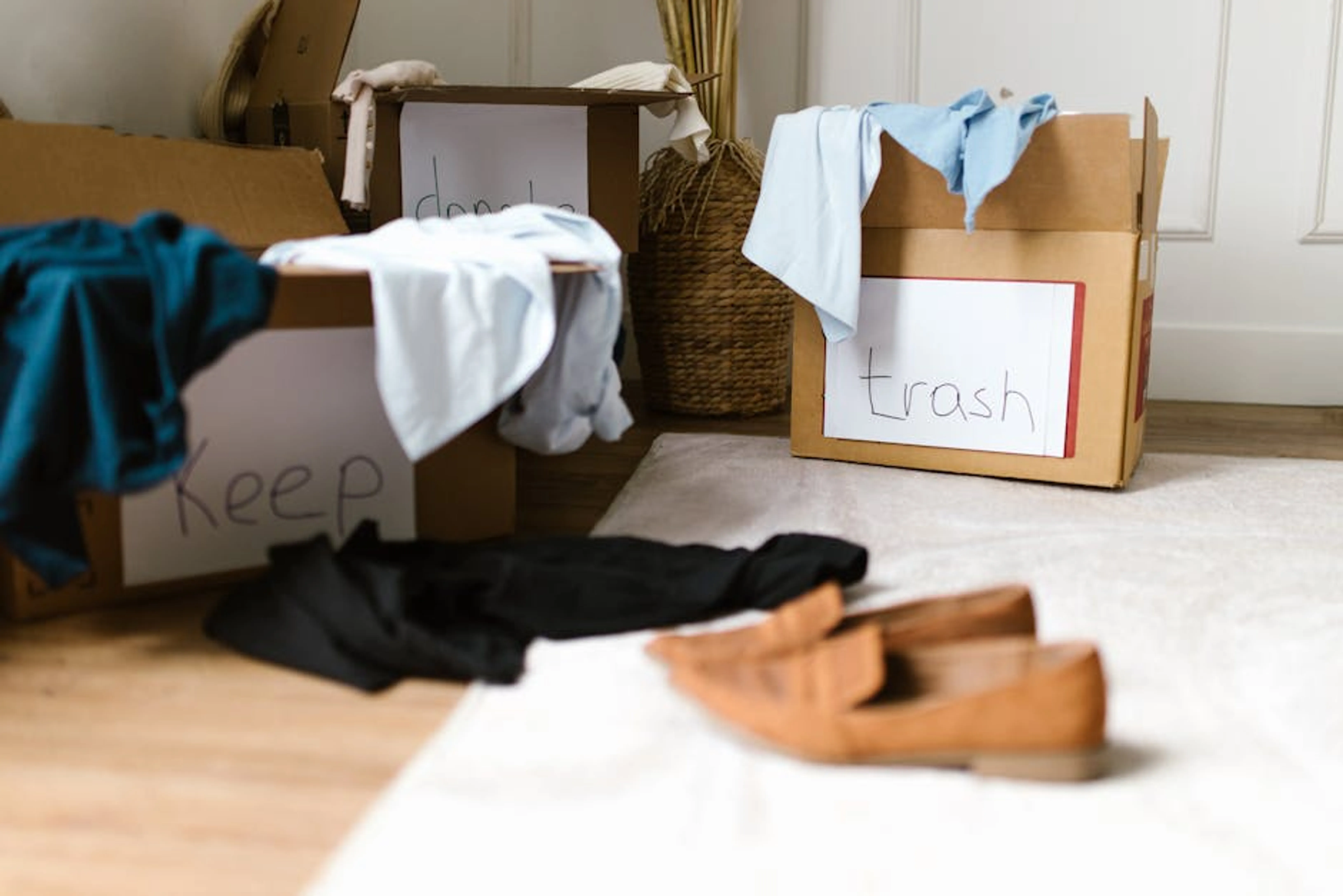
Effective decluttering often begins with adopting the right mindset: focusing on what you want to keep rather than what you want to get rid of. Popular methods include the 'Four-Box Method' (keep, donate/sell, trash, relocate) where you sort items into designated containers. Another widely recognized approach is the KonMari method, which encourages you to hold each item and ask if it 'sparks joy,' keeping only those that do. Regardless of the method, consistency and a systematic approach are key. Tackle one area at a time, set realistic goals, and celebrate small victories to maintain momentum. Remember that decluttering is a journey, not a one-time event, and it often requires letting go of perfectionism.
Understanding Organizing
What is Organizing?
Organizing, in contrast to decluttering, is the systematic arrangement of items you choose to keep in a logical and accessible manner. It’s about creating systems and structures within your space to ensure that everything has a designated home and can be easily found and put away. Organizing aims to maximize efficiency, functionality, and aesthetic appeal. This process involves utilizing storage solutions, categorizing items, and establishing routines to maintain order. Organizing is not about getting rid of things, but rather making the most of what you have and ensuring it serves you effectively.
The Benefits of Organizing
The benefits of organizing are primarily centered around efficiency, accessibility, and peace of mind. A well-organized space allows you to locate items quickly, saving valuable time and reducing frustration. It enhances productivity by creating a more streamlined environment for tasks, whether it's cooking in the kitchen or working in your home office. Organizing also protects your belongings by providing appropriate storage, preventing damage and prolonging their lifespan. Furthermore, an organized home contributes to a sense of calm and order, reducing mental clutter and fostering a more enjoyable living experience. It provides a visual representation of control and intentionality in your surroundings.
The Process of Organizing: Systems and Strategies
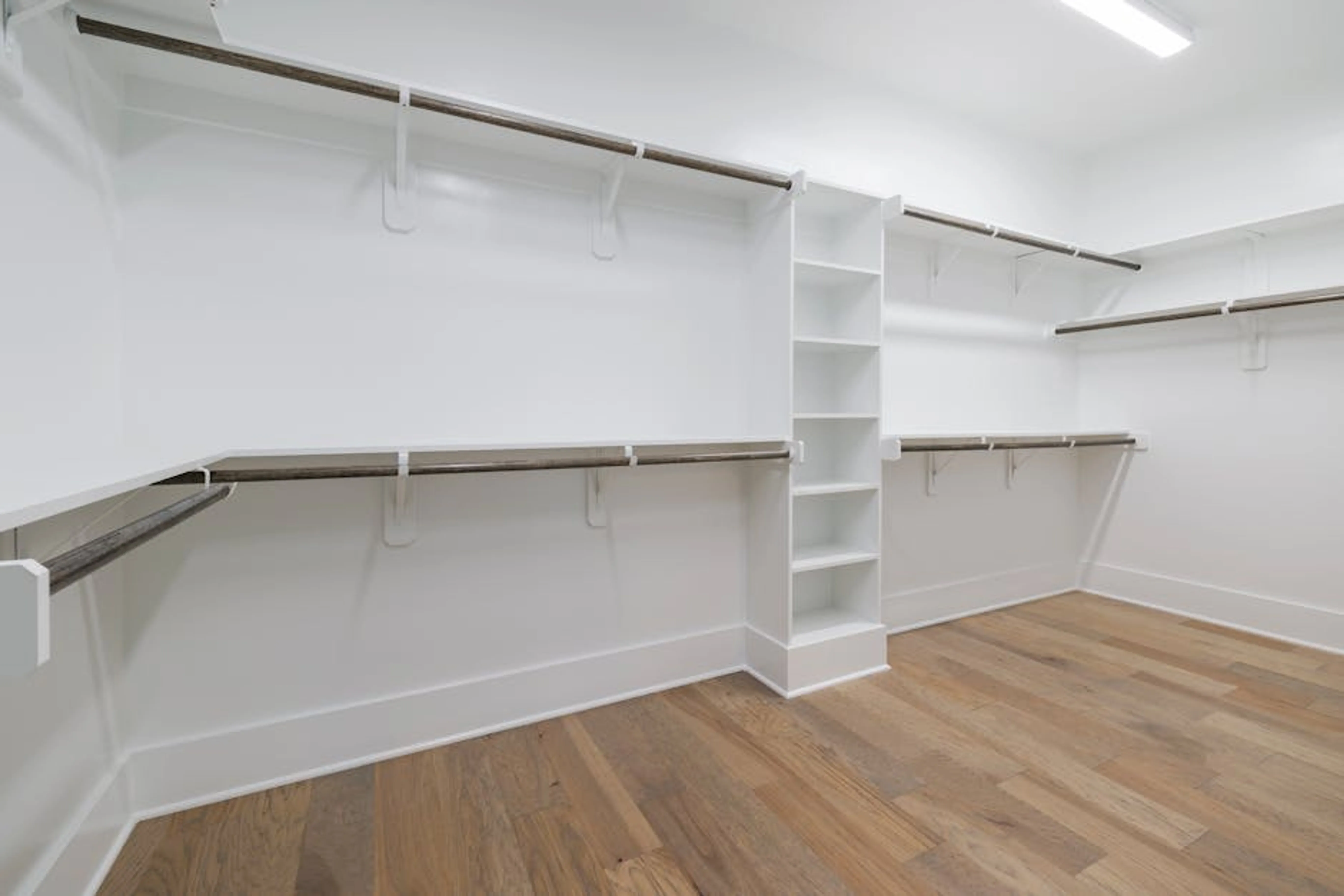
The process of organizing involves establishing logical systems tailored to your habits and the function of each space. This often begins with categorizing similar items together, such as all cleaning supplies or all office stationery. Next, you select appropriate storage solutions like bins, drawers, shelves, or dividers to contain these categories. Labeling is a crucial step to ensure everyone knows where items belong. Strategies include creating 'zones' for specific activities (e.g., a reading nook, a crafting station) and implementing 'vertical storage' to maximize space. Consistency is vital; establish routines for putting items away immediately after use to maintain the organized system over time. Regular reviews of your systems ensure they continue to meet your evolving needs.
Decluttering vs. Organizing: Key Differences and Overlap
The Core Distinction: Removal vs. Arrangement
The fundamental difference between decluttering and organizing lies in their primary objectives. Decluttering is a process of reduction and elimination. Its goal is to remove excess, unused, or unwanted items from your environment, thereby decreasing the total volume of your possessions. It asks the critical question: 'Do I need this item?' In contrast, organizing is a process of arrangement and optimization. Its goal is to create logical systems for the items you choose to keep, ensuring they are accessible, functional, and aesthetically pleasing. It asks the question: 'Where does this item belong, and how can I best store it?' One focuses on 'less,' the other on 'better placement.'
How They Complement Each Other
While distinct, decluttering and organizing are highly complementary and often interdependent. You cannot effectively organize a space that is overflowing with excess items. Attempting to organize a cluttered area is akin to shuffling around a mess; it might look temporarily tidier, but the underlying problem of too many possessions remains. Decluttering creates the necessary canvas for organizing. Once excess items are removed, organizing becomes significantly easier, more efficient, and more sustainable. Decluttering provides the space, while organizing creates the structure within that space. Together, they form a powerful duo for achieving lasting order and functionality in your home.
When to Prioritize Decluttering
You should prioritize decluttering when your space feels overwhelmed, unmanageable, or when you find yourself constantly acquiring new items without getting rid of old ones. If you struggle to find things, have difficulty moving around certain areas, or feel a sense of mental burden just looking at your possessions, decluttering is the first step. It's also essential before a major life change, such as moving, renovating, or preparing for a new family member. When storage solutions are overflowing, or you're keeping items 'just in case' for years, it's a clear signal to declutter before attempting to organize.
When to Prioritize Organizing
You should prioritize organizing once you have a manageable amount of items in your space. If you have already decluttered and now have a clearer idea of what you own and wish to keep, then organizing becomes the next logical step. You should also focus on organizing when you want to improve efficiency, streamline routines, or enhance the aesthetic appeal of a specific area. If you find yourself constantly putting things in random spots, or if your current storage solutions aren't working, then it's time to implement better organizational systems for the items you've committed to keeping.
Choosing the Right Approach for You
A Comparison: Decluttering vs. Organizing
Deciding whether to declutter or organize first largely depends on the current state of your space and your ultimate goals. If your rooms are packed, surfaces are buried, and you feel suffocated by your belongings, decluttering is your immediate priority. It addresses the quantity of items. If, however, you have a reasonable amount of possessions but they lack a designated home, leading to disarray and inefficiency, then organizing is the key. It addresses the placement and systemization of items. Often, a combination of both, starting with decluttering, yields the most transformative and sustainable results for a truly functional and serene environment.
Comparison Table: Key Features and Outcomes
FeatureDeclutteringOrganizingPrimary GoalReduce volume of itemsArrange existing items logicallyCore ActionRemove, discard, donate, sellCategorize, contain, label, systematizeMain QuestionDo I need/use this? Does it add value?Where does this belong? How can it be accessed easily?Impact on SpaceCreates empty space, reduces visual noiseOptimizes existing space, improves flowInitial FeelingCan be emotionally challenging, liberatingCan be strategic, satisfyingLong-Term OutcomeFewer possessions, less to manageEfficient systems, easy maintenancePrerequisite ForEffective organizingMaintaining decluttered space
Data Summary: Impact on Well-being and Productivity
Both decluttering and organizing significantly impact well-being and productivity, albeit through different mechanisms. Decluttering directly reduces cognitive load and visual stress, which can lead to lower anxiety levels and improved focus. The act of letting go of unused items can also foster a sense of freedom and control over one's environment. Organizing, on the other hand, enhances productivity by creating efficient workflows and minimizing time spent searching for items. When systems are in place, decision-making fatigue is reduced, allowing for greater mental energy to be directed towards meaningful tasks. Combined, these practices lead to a more harmonious living space, contributing to better sleep, reduced stress, and an overall uplift in mood and efficiency in daily life. The cumulative effect is a calmer mind and more productive actions within your environment.

Frequently Asked Questions (FAQ)
Can you organize without decluttering first?
While technically possible, organizing without decluttering first is generally inefficient and unsustainable. Attempting to organize an excessive amount of items often leads to merely shuffling clutter around or investing in numerous storage solutions that quickly become overwhelmed. The result is typically a space that appears organized on the surface but remains functionally overloaded. For truly lasting and effective organization, it is highly recommended to declutter first, reducing your possessions to a manageable quantity before establishing systems for what remains.
How often should you declutter and organize?
The frequency of decluttering and organizing depends on your lifestyle and how quickly items accumulate in your home. A good general guideline is to conduct a light decluttering session weekly or monthly, focusing on high-traffic areas or categories like mail and clothing. Deeper, more thorough decluttering sessions can be done seasonally or annually. Organizing systems should be reviewed and tweaked as needed, perhaps every few months, to ensure they still meet your current needs and habits. Consistent, smaller efforts are often more effective than infrequent, massive undertakings.
What if I have too much sentimental clutter to declutter?
Dealing with sentimental clutter can be the most challenging aspect of decluttering. It's important to approach these items with compassion and intentionality. Consider setting a specific limit for sentimental items, such as one box per person, or dedicating a special display area. You can also take photos of items you can't keep but want to remember. Focus on the memories and stories associated with the items, rather than feeling obligated to keep the physical object itself. Sometimes, sharing these items with family members who also value them can be a meaningful solution. Remember, your memories are not tied to the physical objects.
Conclusion
Recap of Key Takeaways
Navigating the journey to a more ordered home begins with understanding the distinct roles of decluttering and organizing. Decluttering is the essential first step of reducing excess, creating space, and alleviating mental burden by removing items that no longer serve you. Organizing, building upon a decluttered foundation, involves establishing logical systems and structures for the items you choose to keep, enhancing efficiency and accessibility. While decluttering focuses on 'less,' organizing focuses on 'better placement.' They are a powerful duo, with decluttering laying the groundwork for sustainable organization.
Empowering You to Make an Informed Decision
Now equipped with a clear understanding of both decluttering and organizing, you are empowered to assess your own living situation and choose the most appropriate starting point. If your space feels suffocating and unmanageable, begin with decluttering to create breathing room. If you possess a reasonable amount of items but struggle with finding them or maintaining order, focus on implementing robust organizing systems. Remember that consistency and patience are key. By applying these principles thoughtfully, you can transform your home into a functional, peaceful, and truly enjoyable sanctuary tailored to your needs and preferences.
Content is for information only; Author/Site is not liable for decisions made; Reader is responsible for their own actions.
------end of article------