Home Workout Routines: My Secret to Getting Fit Without a Gym
Unlock your fitness potential from the comfort of your home. This guide provides effective home workout routines, equipment essentials, and strategies for achieving your fitness goals without needing a gym.

Introduction
Struggling to find the time or motivation for a gym, or simply prefer the convenience of exercising in your own space? Achieving significant fitness results is entirely possible from the comfort and privacy of your home. This comprehensive guide will reveal how to establish effective home workout routines that can transform your physique and boost your overall well-being, all without the need for a gym membership or extensive equipment. You will explore the undeniable benefits of home training, learn how to set up your ideal workout environment, discover adaptable routines for various fitness goals, and understand the crucial roles of nutrition and recovery. Prepare to unlock a world of fitness possibilities right where you live.
Why Home Workouts? The Benefits of Training at Home
Choosing to work out at home offers a multitude of advantages that can significantly impact your fitness journey and daily life. Understanding these benefits can solidify your commitment to a home-based fitness regimen.
Unmatched Convenience
One of the primary appeals of home workouts is the unparalleled convenience they offer. You eliminate commute time to and from a gym, allowing you to fit workouts into even the busiest schedules. Whether it's an early morning session before work, a quick lunchtime burst, or an evening wind-down, your home gym is always open and just steps away.
Cost-Effectiveness
Gym memberships can be a significant recurring expense. Home workouts, especially those focused on bodyweight exercises, can drastically reduce or eliminate these costs. Initial investments in minimal equipment, if any, are often one-time and far more economical in the long run.
Privacy and Comfort
For many, the gym environment can feel intimidating or uncomfortable. Working out at home provides a private, familiar, and judgment-free space where you can focus entirely on your performance and goals without external distractions or self-consciousness. You can choose your music, control the temperature, and wear whatever makes you feel most comfortable.
Time Efficiency
Beyond saving commute time, home workouts often allow for more focused and efficient sessions. Without waiting for equipment or navigating crowded spaces, you can move seamlessly from one exercise to the next, maximizing your workout density and minimizing downtime.
Consistency and Adherence
The ease of access and reduced barriers to starting a workout often lead to greater consistency. When your gym is your living room, it becomes much harder to make excuses. This improved adherence is a critical factor in achieving and maintaining long-term fitness results.
Flexibility and Adaptability
Home workouts offer immense flexibility. You can easily adjust your routine based on your energy levels, available time, or even the weather. This adaptability ensures that your fitness journey remains sustainable and enjoyable, allowing you to stay active no matter what life throws your way.
Building Your Home Gym: Essential Equipment and Space Considerations
While the focus is often on routines that require no equipment, a thoughtfully curated home gym, even a minimalist one, can significantly enhance your workout versatility and progression. Consider these essentials and spatial tips:
Minimal to No-Equipment Essentials
Your Bodyweight: This is your most powerful tool. Exercises like push-ups, squats, lunges, planks, and burpees are incredibly effective and require nothing but your own body.
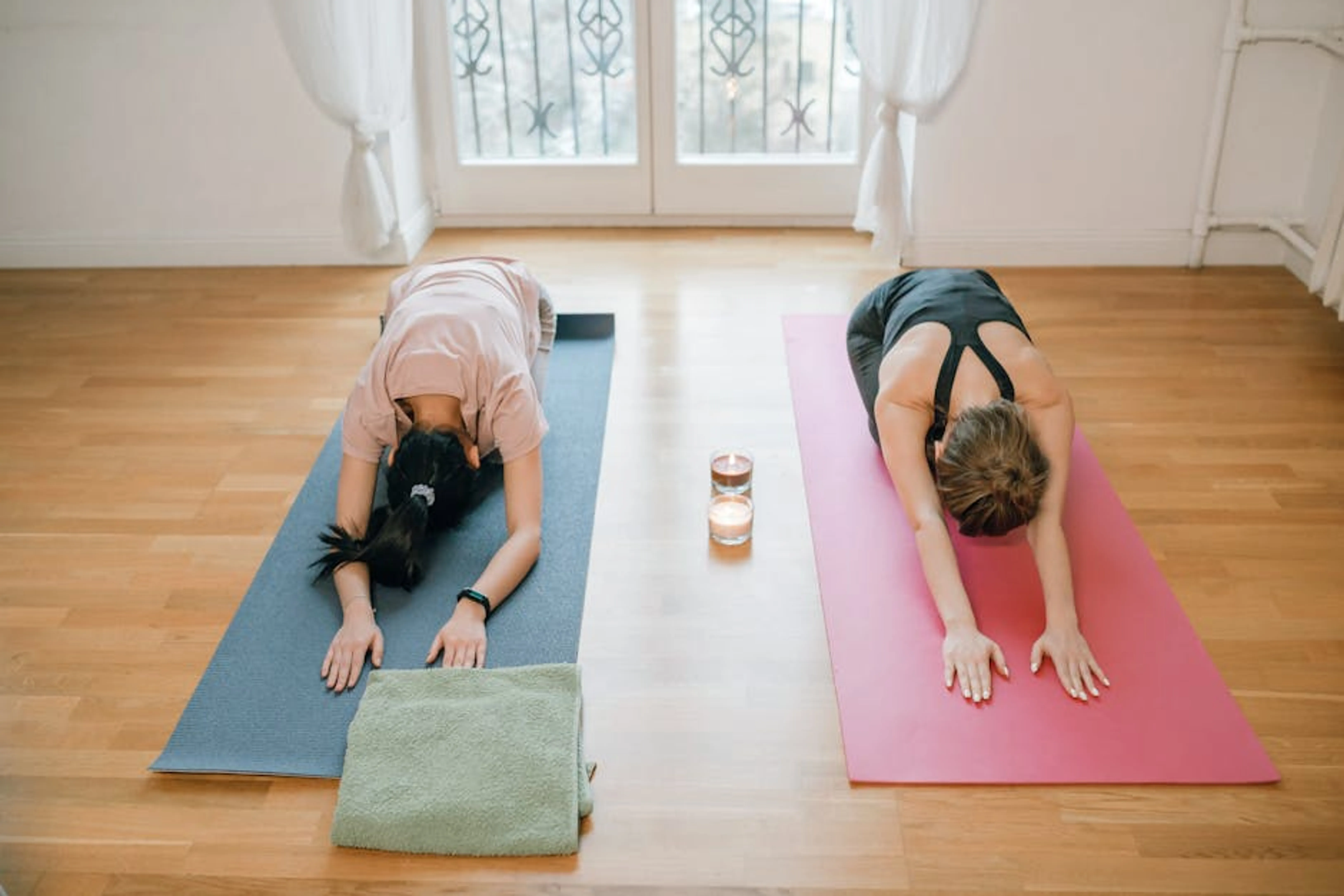
Yoga Mat: Provides cushioning and grip for floor exercises, stretching, and yoga.
Resistance Bands: Lightweight, portable, and versatile. They offer scalable resistance for strength training, warm-ups, and targeted muscle activation. Available in various strengths.
Jump Rope: An excellent, low-cost tool for high-intensity cardiovascular training that also improves coordination.
Optional Equipment for Enhanced Workouts
Dumbbells (Adjustable): If space is limited, adjustable dumbbells are a fantastic investment, offering a range of weights in a compact form. They open up many more strength training exercises.
Kettlebell: Great for dynamic movements, strength, and cardio.
Pull-up Bar: Can often be mounted in a doorway, providing an effective way to train your back and biceps.
Stability Ball: Useful for core work, balance training, and stretching.
Space Considerations for Your Home Workout Area
You don't need an entire room dedicated to fitness. Even a small corner can suffice with proper planning:
Clear the Area: Ensure you have enough space to move freely in all directions without hitting furniture or walls. A 6x6 foot area is often enough for most bodyweight and resistance band exercises.
Good Ventilation: If possible, choose a space with good airflow or open a window to keep the air fresh and cool during your workouts.
Appropriate Flooring: A carpeted area or a yoga mat can provide sufficient cushioning. If you have hard floors, consider interlocking foam mats for added comfort and impact absorption.
Mirrors (Optional): While not essential, a mirror can help you monitor your form and technique, preventing injuries and ensuring exercises are performed effectively.
Music/Motivation: Set up a speaker or use headphones to keep yourself motivated with your favorite workout playlist.

Effective Home Workout Routines for Different Fitness Goals
Designing an effective home workout routine involves understanding your goals and selecting exercises that target them. Here are examples of routines you can adapt:
Strength Training (Bodyweight Focused)
Bodyweight strength training is incredibly effective for building functional strength, improving endurance, and enhancing muscle tone. Focus on compound movements that engage multiple muscle groups.
Sample Full-Body Bodyweight Routine (Perform 3-4 times per week)
Warm-up (5-10 minutes): Light cardio (jumping jacks, high knees) and dynamic stretches (arm circles, leg swings).
Workout (30-45 minutes): Perform each exercise for 3 sets of 10-15 repetitions, or for 30-60 seconds, with 60-90 seconds rest between sets. Consider circuit training for higher intensity.
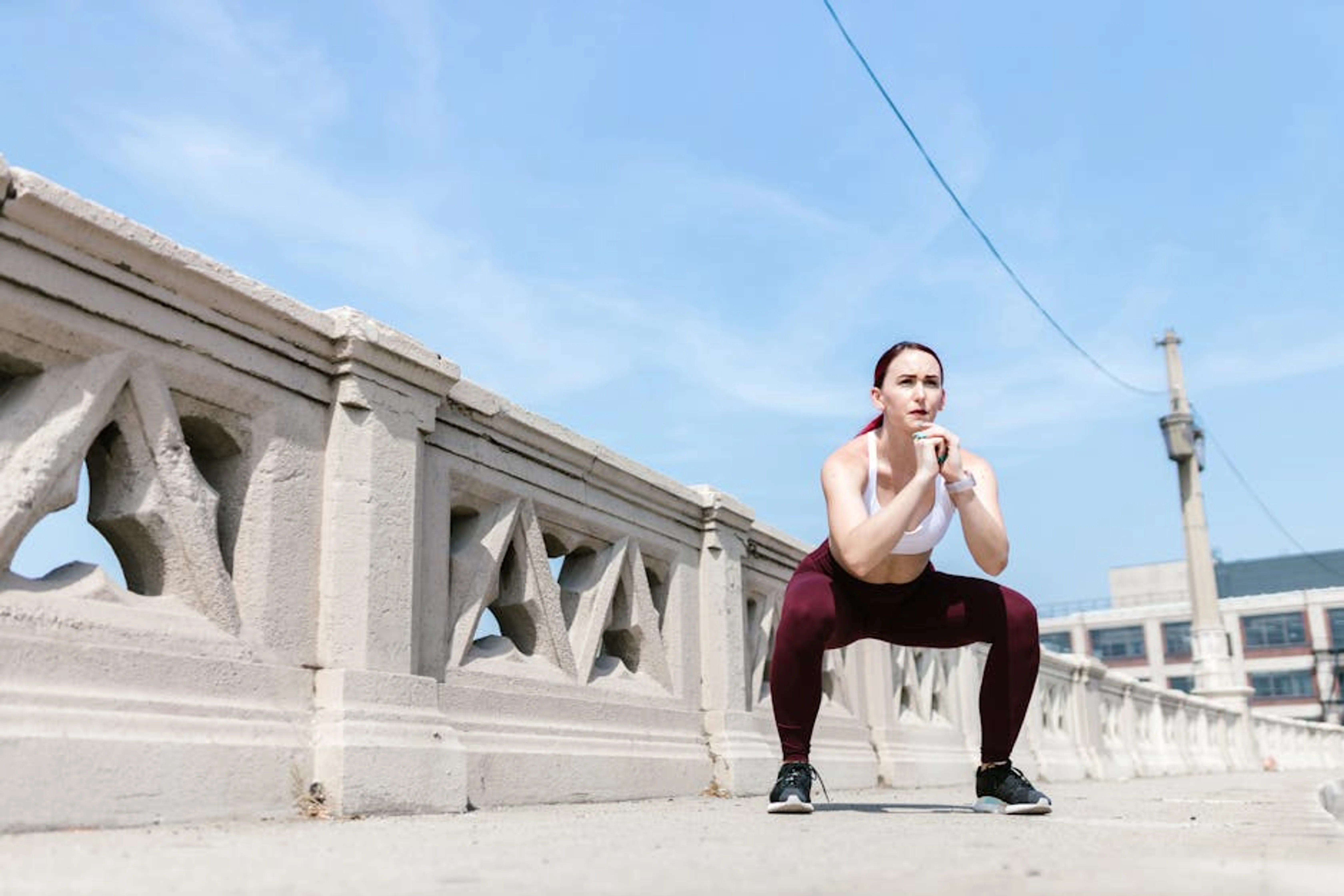
Squats: Stand with feet shoulder-width apart, lower your hips as if sitting in a chair, keeping your chest up.
Push-ups: Start in a plank position, lower your chest towards the floor, then push back up. Modify on knees if needed.
Lunges: Step forward with one leg, lowering your hips until both knees are bent at approximately 90 degrees. Alternate legs.
Plank: Hold a straight line from head to heels, engaging your core.
Glute Bridges: Lie on your back, knees bent, feet flat. Lift your hips off the floor until your body forms a straight line from shoulders to knees.
Burpees: A full-body explosive exercise. Start standing, drop into a squat, kick feet back to a plank, perform a push-up, jump feet forward, and jump up.
Cool-down (5-10 minutes): Static stretches, holding each for 20-30 seconds (e.g., hamstring stretch, triceps stretch).
Cardiovascular Workouts
Cardio is essential for heart health, calorie burning, and improving stamina. Home cardio can be high-intensity interval training (HIIT) or steady-state.
Sample HIIT Cardio Routine (Perform 2-3 times per week on non-strength days)
Perform each exercise for 40 seconds, followed by 20 seconds of rest. Complete 3-4 rounds, with 1-2 minutes rest between rounds.
Jumping Jacks: Classic full-body cardio.
High Knees: Run in place, bringing your knees up towards your chest.
Butt Kicks: Run in place, bringing your heels up towards your glutes.
Mountain Climbers: Start in a plank position, alternate bringing knees towards your chest.
Jump Rope: If you have one, perform continuous jumps.
Flexibility and Mobility
Don't neglect flexibility. Incorporate stretching and mobility work to improve range of motion, prevent injury, and aid recovery.
Sample Daily Mobility & Stretch Routine (10-15 minutes)
Cat-Cow Stretch: Improves spinal flexibility.
Downward Dog: Stretches hamstrings, calves, and shoulders.
Pigeon Pose: Deep hip opener.
Figure-Four Stretch: Stretches glutes and outer hips.
Child's Pose: Relaxing and stretches the back.
Nutrition and Recovery: Complementing Your Home Workouts
Your fitness journey extends far beyond your workout sessions. Nutrition and recovery are equally critical components for achieving your goals, whether you're working out at home or in a gym.
The Role of Nutrition
Proper nutrition fuels your workouts, aids in muscle repair and growth, and supports overall health. Think of your body as a high-performance machine; it requires the right kind of fuel to operate optimally.
Balanced Macronutrients: Ensure your diet includes an adequate balance of proteins, carbohydrates, and healthy fats. Proteins are crucial for muscle repair and growth, carbohydrates provide energy for your workouts, and healthy fats support hormone production and nutrient absorption.
Hydration: Drink plenty of water throughout the day, especially before, during, and after your workouts. Dehydration can significantly impair performance and recovery.
Whole Foods Focus: Prioritize whole, unprocessed foods like lean meats, fish, fruits, vegetables, whole grains, and legumes. Limit processed foods, sugary drinks, and excessive saturated or trans fats.
Timing Your Meals: While not overly complex, consuming a balanced meal or snack containing protein and carbohydrates within a few hours before and after your workout can optimize energy levels and recovery.
The Importance of Recovery
Recovery is when your body adapts and strengthens in response to the stress of exercise. Neglecting recovery can lead to plateaus, burnout, and increased risk of injury.
Adequate Sleep: Aim for 7-9 hours of quality sleep per night. During sleep, your body repairs muscle tissue, consolidates memories, and regulates hormones vital for fitness and well-being.
Active Recovery: On your rest days, engage in light activities such as walking, gentle stretching, or foam rolling. This can help improve blood flow, reduce muscle soreness, and enhance flexibility without overtraining.
Stress Management: Chronic stress can negatively impact your body's ability to recover and adapt. Incorporate stress-reducing practices like meditation, deep breathing, or hobbies into your routine.
Listen to Your Body: Pay attention to signs of overtraining, such as persistent fatigue, decreased performance, or prolonged muscle soreness. Don't be afraid to take an extra rest day when needed.
Home Workouts vs. Gym Workouts: A Comparative Analysis
Both home and gym workouts offer unique benefits and drawbacks. Understanding these differences can help you determine which environment best suits your preferences and goals.
While gyms offer a wide array of equipment and a social environment, home workouts excel in convenience, cost-efficiency, and privacy, making them an excellent choice for consistent fitness.
FeatureHome WorkoutsGym WorkoutsCostLow to none (bodyweight), one-time equipment purchaseRecurring membership fees, potential travel costsConvenienceHighly convenient, no travel, flexible schedulingRequires travel, fixed operating hoursEquipment VarietyLimited (bodyweight, minimal equipment), requires creativityExtensive range of machines, free weights, and classesPrivacyComplete privacy and comfortPublic environment, potential for crowdingSocial InteractionMinimal to noneOpportunity for social interaction, group classesMotivationSelf-discipline required, can be challenging for someMotivated by others, personal trainers availableSpace RequiredMinimal (e.g., 6x6 feet)Dedicated facilityExpert SupervisionSelf-guided, relies on online resources for formAccess to certified trainers for guidance and spotting
Frequently Asked Questions (FAQ)
Can you build muscle effectively with home workouts?
Yes, absolutely. You can build significant muscle mass and strength with home workouts, especially by utilizing progressive overload principles. This involves gradually increasing the challenge of your exercises by adding more repetitions, sets, reducing rest periods, performing more advanced variations (e.g., incline push-ups to one-arm push-ups), or incorporating resistance bands and dumbbells. Consistency and proper nutrition are key.
How often should you work out at home?
The ideal frequency depends on your fitness level, goals, and the intensity of your workouts. For beginners, 3-4 full-body workouts per week, with rest days in between, is a good starting point. As you advance, you might split your routine (e.g., upper body/lower body) and work out 4-5 times a week, ensuring you still incorporate sufficient rest and recovery.
What if you have limited space for home workouts?
Even with very limited space, effective workouts are possible. Focus on exercises that require minimal movement footprint, such as planks, wall sits, glute bridges, standing calf raises, and various resistance band exercises. Utilize vertical space with doorway pull-up bars if possible. Consider compact, foldable equipment like a yoga mat or adjustable dumbbells. The key is to be creative and make the most of the space you have.
Conclusion
Achieving your fitness goals without a gym is not only possible but can be a highly effective, convenient, and sustainable path to a healthier lifestyle. By understanding the benefits of training at home, strategically building your workout space with minimal equipment, and consistently applying effective routines, you can make significant strides in your strength, endurance, and overall well-being. Remember that dedication to proper nutrition and adequate recovery are just as vital as your workouts. Embrace the flexibility and empowerment that home workouts offer, and take control of your fitness journey from the comfort of your own home.
Content is for information only; Author/Site is not liable for decisions made; Reader is responsible for their own actions.
------end of article------