Master Food Storage: Your Kitchen Hack Guide
Tired of throwing away spoiled food and wasting money? This comprehensive guide will equip you with the essential knowledge and practical kitchen hacks to revolutionize your food storage, keeping ingredients fresh longer and minimizing waste.

Tired of throwing away spoiled food and wasting money? This comprehensive guide will equip you with the essential knowledge and practical kitchen hacks to revolutionize your food storage, keeping ingredients fresh longer and minimizing waste. You will discover how to combat the enemies of freshness, master temperature control, utilize smart packaging, and implement innovative techniques across your entire kitchen, from the refrigerator to the pantry.
Introduction: Unlock the Secrets to Extended Food Freshness
Imagine a kitchen where every ingredient stays vibrant and flavorful, where you rarely find yourself discarding wilted produce or questionable leftovers. Achieving this level of food mastery is not a distant dream but an attainable reality with the right strategies. This guide will transform your approach to food storage, turning common kitchen challenges into opportunities for efficiency, savings, and enhanced culinary enjoyment. You will learn the fundamental principles that govern food spoilage and gain actionable insights to extend the life of your groceries, ensuring every meal is as fresh as intended.
Section 1: Understanding the Enemies of Food - Why Food Spoils
To effectively preserve food, it is crucial to understand the primary factors that contribute to its spoilage. By identifying these 'enemies,' you can implement targeted strategies to mitigate their impact and significantly extend the shelf life of your ingredients.
Moisture: The Silent Thief of Freshness
Excess moisture creates an ideal breeding ground for bacteria and mold, accelerating spoilage, especially in fresh produce. Conversely, a lack of moisture can lead to dehydration and wilting. Maintaining the right moisture balance is key to preserving texture and preventing microbial growth.
Air: Oxidation and Its Impact
Exposure to air, specifically oxygen, causes oxidation, a chemical reaction that degrades food quality. This leads to discoloration (like apples browning), loss of nutrients, and changes in flavor and texture. Minimizing air contact is a cornerstone of effective food preservation.
Temperature Fluctuations: The Spoilage Accelerators
Inconsistent temperatures are detrimental to food freshness. When food repeatedly warms and cools, it encourages microbial growth and can degrade cellular structures, leading to faster spoilage. Maintaining stable, appropriate temperatures in your refrigerator and freezer is paramount.
Light: Degrading Nutrients and Flavor
Direct exposure to light, especially sunlight, can degrade vitamins, alter flavors, and cause fats to become rancid. This is why many pantry staples, such as oils and spices, are best stored in dark environments or opaque containers.
Microorganisms: Bacteria, Molds, and Yeasts
These microscopic organisms are the primary biological agents of spoilage. They consume nutrients in food, producing waste products that lead to off-flavors, odors, and visible signs of decay. Proper hygiene, temperature control, and packaging are essential to inhibit their growth.
Section 2: Smart Storage Strategies for Your Refrigerator
Your refrigerator is a powerful tool for extending food freshness, but only if utilized correctly. Understanding optimal temperatures and zoning principles can make a significant difference.
Optimal Refrigerator Temperature: Setting It Right
The ideal temperature for your refrigerator is 40°F (4°C) or below. This range significantly slows the growth of most harmful bacteria. Regularly check your refrigerator's temperature with a thermometer to ensure it's operating efficiently.
Zone Your Fridge: Where to Store What
Different areas of your refrigerator maintain different temperatures, making specific zones ideal for certain types of food.
Door: Condiments and Less Perishables: The door is the warmest part of the fridge due to frequent opening. It's suitable for condiments, juices, and other items with natural preservatives or those that are less prone to spoilage.
Upper Shelves: Ready-to-eat Foods: These shelves typically maintain a consistent, cool temperature. Store leftovers, cooked meats, dairy products, and other ready-to-eat items here to prevent cross-contamination from raw foods.
Lower Shelves: Raw Meats and Dairy: The bottom shelf is usually the coldest and is the safest place for raw meats, poultry, and fish. Store them in sealed containers or on plates to prevent any drips from contaminating other foods below. Dairy products like milk and yogurt also thrive here.
Crisper Drawers: Fruits and Vegetables: Crisper drawers are designed to maintain specific humidity levels. High-humidity drawers (often labeled 'vegetables') are for produce that wilts easily, like leafy greens. Low-humidity drawers ('fruits') are for produce that emits ethylene gas, which can ripen other foods, such as apples and pears.

Airtight Containers: Your Best Defense
Airtight containers are invaluable for preventing air exposure and moisture loss, especially for leftovers, cut produce, and dairy. They also help contain odors and prevent cross-contamination. Opt for glass containers for durability and ease of cleaning.
Proper Wrapping Techniques
For items that don't fit perfectly into containers, proper wrapping is essential. Use plastic wrap, foil, or beeswax wraps to create a tight seal, minimizing air exposure. For cheeses, a combination of parchment paper and plastic wrap can help maintain moisture without suffocating it.
FIFO (First-In, First-Out): The Golden Rule
Always use older items before newer ones. When you buy new groceries, move older items to the front of your fridge or pantry so they are used first. This simple practice significantly reduces waste.
Section 3: Mastering Your Freezer for Long-Term Preservation
The freezer is your ultimate tool for long-term food preservation, capable of halting spoilage and extending the life of many foods for months. Proper technique is crucial to prevent freezer burn and maintain quality.
Freezer Temperature Essentials
Your freezer should be set at 0°F (-18°C) or colder. This temperature stops microbial growth and slows enzyme activity, preserving food quality. A consistently cold freezer is key to preventing ice crystals and freezer burn.
Packaging for Freezing: Preventing Freezer Burn
Freezer burn occurs when food is exposed to air, causing dehydration and oxidation. Effective packaging is your primary defense.
Vacuum Sealing: The Ultimate Solution: Vacuum sealers remove virtually all air from packaging, making them the gold standard for freezer storage. This method drastically extends shelf life and prevents freezer burn, preserving flavor and texture.
Freezer Bags and Containers: Best Practices: When using freezer bags, press out as much air as possible before sealing. For containers, ensure they are freezer-safe and leave a small amount of headspace for liquids to expand. Double-wrapping or using heavy-duty freezer bags adds an extra layer of protection.
What You Can and Cannot Freeze Effectively
Most meats, poultry, fish, fruits, and vegetables freeze well. Cooked dishes, bread, and baked goods also do well. However, some foods, like lettuce, mayonnaise, sour cream, and cream-based sauces, do not freeze well due to their high water content or emulsion breaking, resulting in textural changes upon thawing.
Blanching Vegetables Before Freezing
Blanching (briefly boiling and then rapidly chilling) vegetables before freezing is vital. This process stops enzyme action that causes loss of flavor, color, and texture. It also cleanses the surface of dirt and organisms and helps retain vitamins. Follow blanching with an ice bath to stop the cooking process before drying and freezing.
Thawing Safely: Protecting Food Quality
Thawing food safely is as important as freezing it. The safest methods are:
In the Refrigerator: This is the slowest but safest method, allowing food to thaw gradually and remain at a safe temperature.
In Cold Water: Submerge sealed food in cold tap water, changing the water every 30 minutes. Cook immediately after thawing.
In the Microwave: Use the defrost setting and cook the food immediately after thawing, as some areas may begin to cook during the process.
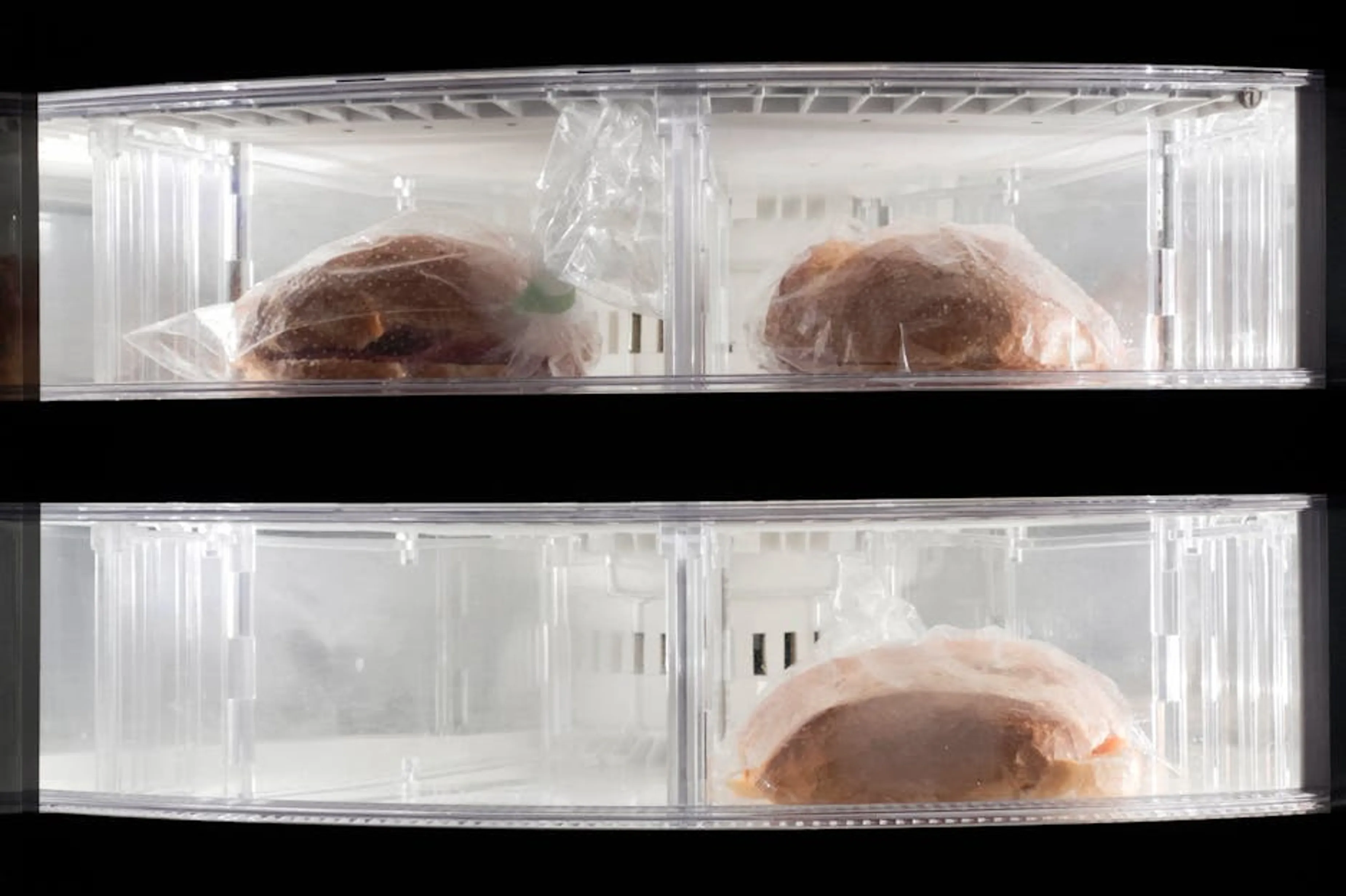
Section 4: Pantry Perfection: Dry Goods and Shelf-Stable Foods
Your pantry is home to many long-lasting staples. Proper storage here focuses on preventing spoilage from pests, moisture, light, and temperature fluctuations.
Ideal Pantry Conditions: Cool, Dark, and Dry
The perfect pantry is cool (ideally below 70°F/21°C), dark, and has low humidity. Avoid storing items near heat sources like ovens or windows, which can accelerate spoilage.
Storing Grains, Pasta, and Flour
Transfer grains, pasta, and flour from their original packaging into airtight containers made of glass or sturdy plastic. This protects them from moisture, pests, and off-odors, significantly extending their shelf life. Label containers with purchase dates.
Managing Canned Goods: Rotation and Inspection
Store canned goods in a cool, dry place. Practice FIFO (First-In, First-Out) with your canned goods. Regularly inspect cans for dents, bulges, or leaks, which can indicate spoilage and should be discarded immediately.
Storing Oils and Vinegars
Store most cooking oils (like olive oil, vegetable oil) in a cool, dark place away from direct light and heat, which can cause them to go rancid. Vinegars also benefit from similar conditions. Some delicate oils, like flaxseed oil, may benefit from refrigeration after opening.
Protecting Produce in the Pantry (Potatoes, Onions, Garlic)
Potatoes, onions, and garlic thrive in cool, dark, and well-ventilated spaces, but should be stored separately. Potatoes emit ethylene gas, which can cause onions to sprout. Avoid refrigerating potatoes, as it can convert their starch to sugar, affecting flavor and texture.
Dealing with Pests: Natural and Effective Methods
To deter pantry pests like weevils and moths, keep your pantry clean and store all dry goods in airtight containers. Bay leaves placed in flour or grain containers can act as a natural deterrent. Regularly inspect and clean shelves, and discard any infested items immediately.
Section 5: Innovative Food Storage Hacks and Beyond
Beyond the basics, several clever hacks can further extend the life of specific foods and manage leftovers efficiently.
Herb Storage: Keeping Them Vibrant for Weeks
For tender herbs like parsley, cilantro, and basil, trim the stems, place them in a glass with an inch of water (like a bouquet), and cover loosely with a plastic bag. Refrigerate; change water every few days. For rosemary or thyme, wrap in a damp paper towel and store in a sealed bag in the fridge.
Berry Preservation: Simple Methods for Longer Life
To extend the life of berries, wash them just before eating. If you need to store them for longer, a vinegar bath (1 part white vinegar to 3 parts water) for a few minutes, followed by thorough rinsing and drying, can kill mold spores. Store them in a single layer on a paper towel-lined container in the fridge.
Avocado Storage: Preventing Browning
To prevent cut avocados from browning, store them in an airtight container with a cut onion piece, or rub the cut surface with lemon or lime juice. You can also store the cut half with the pit intact, face down in a container.
Leftover Management: Smart Solutions
Cool leftovers quickly (within 2 hours) before refrigerating. Store them in shallow, airtight containers to ensure even cooling and easy portioning. Label with the date to track freshness. Consider freezing meal-sized portions for future quick meals.
Comparison: Common Storage Methods vs. Best Practices
Understanding the difference between common, often less effective, storage habits and optimized best practices can significantly reduce food waste and preserve quality.
Food ItemCommon Storage (Less Effective)Best Practice Storage (Effective)Fresh HerbsLeft in original packaging, tossed in fridgeStems in water, covered loosely, refrigeratedAvocado (cut)Wrapped in plastic wrap, exposed to airAirtight container with onion/lemon juice, pit intactBerriesWashed and stored wet in original containerUnwashed, dry, in single layer on paper towel-lined container; or vinegar bath (then rinse & dry)PotatoesStored near onions or in fridgeCool, dark, dry, well-ventilated place, away from onionsFlour/GrainsIn original paper bag, openedAirtight container, cool, dark pantry

FAQ Section
How long can I safely store leftovers in the refrigerator?
Most cooked leftovers can be safely stored in the refrigerator for 3 to 4 days. Always ensure they are cooled rapidly and stored in airtight containers. If you are unsure, it is best to discard them.
What is the best way to store fresh herbs to maximize their lifespan?
For tender herbs like cilantro, parsley, or basil, trim the stems and place them in a glass of water on your counter or in the refrigerator, covered loosely with a plastic bag. For hardier herbs like rosemary or thyme, wrap them in a damp paper towel and store them in a sealed plastic bag in the refrigerator.
Can I refreeze food that has been thawed?
Generally, it is not recommended to refreeze food that has been fully thawed, especially raw meat or poultry, as it can lead to a significant loss of quality (texture, flavor, moisture) and increase the risk of bacterial growth. However, if thawed food was cooked after thawing, you can refreeze the cooked item. Foods thawed in the refrigerator can often be refrozen safely, though quality may still suffer.
Conclusion: Your Kitchen's New Storage Superpowers
By implementing the strategies and hacks outlined in this guide, you are now equipped with the knowledge to significantly extend the life of your food, reduce waste, and save money. From understanding the enemies of freshness to mastering the art of refrigeration, freezing, and pantry organization, you have gained valuable 'storage superpowers' that will transform your kitchen and culinary experience. Embrace these practices, and enjoy a fresher, more efficient, and more sustainable approach to food.
Content is for information only; Author/Site is not liable for decisions made; Reader is responsible for their own actions.
------end of article------