Pet Nutrition Guide: Safe Foods for Your Best Friend
Ensuring your pet receives proper nutrition is fundamental to their health and longevity. This guide, rooted in veterinary science, explores essential nutrients, decodes pet food labels, identifies safe human foods, highlights dangerous toxins, and offers practical tips for crafting a balanced diet tailored to your beloved companion.

Introduction
Providing your pet with appropriate nutrition is one of the most significant ways to ensure their long-term health, vitality, and happiness. Misinformation or a lack of understanding regarding what constitutes a healthy diet can inadvertently lead to health issues, from digestive upset to serious toxicity. This comprehensive guide will equip you with the knowledge to make informed decisions about your pet's diet, ensuring they receive the nourishment they need while avoiding common dangers.
The information presented here is based on current veterinary expertise and scientific data regarding animal nutrition. It aims to provide a reliable resource for pet owners, helping you navigate the complexities of pet food and human food safety with confidence and clarity.
Section 1: Understanding Your Pet's Nutritional Needs

Just like humans, pets require a balanced intake of various nutrients to thrive. Their specific needs vary based on species (dog or cat), age, breed, activity level, and health status, but the fundamental components remain consistent.
Subheading 1.1: Key Macronutrients (Proteins, Fats, Carbohydrates)
Proteins: These are the building blocks of life, essential for muscle development, tissue repair, enzyme production, and a strong immune system. High-quality animal-based proteins (like chicken, beef, lamb, fish) are crucial for both dogs and cats, as they provide essential amino acids that pets cannot synthesize themselves. Cats, as obligate carnivores, have an even higher protein requirement than dogs.
Fats: Concentrated sources of energy, fats are vital for absorbing fat-soluble vitamins (A, D, E, K), maintaining healthy skin and coat, and providing insulation. Essential fatty acids, such as Omega-3s and Omega-6s, play critical roles in inflammation control and brain function.
Carbohydrates: While often misunderstood, carbohydrates provide readily available energy and dietary fiber. Fiber supports digestive health, aids in satiety, and helps regulate blood sugar. Sources include grains like rice and oats, and vegetables. The type and quality of carbohydrates are important, with complex carbohydrates being more beneficial.
Subheading 1.2: Essential Micronutrients (Vitamins and Minerals)
Vitamins and minerals, though needed in smaller quantities, are indispensable for countless bodily functions. They act as co-factors for enzymes, support bone health, nerve function, vision, and immune response.
Vitamins: These organic compounds are crucial for metabolic processes. Examples include Vitamin A for vision, Vitamin D for bone health, B vitamins for energy metabolism, and Vitamin E for antioxidant protection.
Minerals: These inorganic elements contribute to structural integrity (e.g., calcium and phosphorus for bones), fluid balance (e.g., sodium, potassium), and nerve transmission (e.g., magnesium).
Subheading 1.3: The Importance of Water
Water is arguably the most critical nutrient. It makes up a significant portion of a pet's body weight and is essential for virtually every physiological process, including nutrient transport, temperature regulation, waste elimination, and joint lubrication. Consistent access to fresh, clean water is paramount for preventing dehydration and supporting overall health.
Section 2: Decoding Pet Food Labels
Understanding pet food labels can feel like deciphering a secret code, but it's crucial for making informed choices. The label provides a wealth of information about the food's nutritional content and quality.
Subheading 2.1: Identifying Guaranteed Analysis
The Guaranteed Analysis section lists the minimum percentages of crude protein and crude fat, and the maximum percentages of crude fiber and moisture. While this provides a basic overview, it doesn't tell you about ingredient quality or digestibility. Remember that these are 'as fed' percentages, and comparing different foods requires converting them to a 'dry matter' basis, especially when comparing wet versus dry foods.
Subheading 2.2: Understanding Ingredient Lists
Ingredients are listed by weight, from heaviest to lightest. Look for named meat sources (e.g., 'chicken,' 'beef meal') as the first few ingredients, rather than generic terms like 'meat by-products' or 'animal digest' if you are seeking specific protein sources. Be aware that ingredients like 'chicken meal' can be a more concentrated source of protein than 'fresh chicken' because much of the water content has been removed from the meal.
Subheading 2.3: AAFCO Statements and Their Significance
The Association of American Feed Control Officials (AAFCO) establishes nutritional standards for pet foods. An AAFCO statement indicates whether a food is 'complete and balanced' for a particular life stage (e.g., 'for growth,' 'for maintenance,' 'for all life stages'). This statement is a critical indicator that the food meets the recognized nutritional requirements for pets. Without an AAFCO statement, a food should be considered a treat or supplemental feeding only.
Section 3: Safe Foods for Your Pet: A Detailed Look
While commercial pet foods are designed to be complete and balanced, offering certain human foods in moderation can provide beneficial nutrients and variety, provided they are safe and properly prepared.
Subheading 3.1: Safe Proteins (e.g., Lean Meats, Fish)
Lean Meats: Cooked, unseasoned lean meats like chicken (without skin or bones), turkey, and beef (trimmed of fat) are excellent sources of protein. Always ensure they are thoroughly cooked to eliminate pathogens.
Fish: Cooked salmon, cod, and sardines (in water, no salt) can provide beneficial Omega-3 fatty acids. Ensure all bones are removed.
Eggs: Cooked eggs are a highly digestible source of protein and essential amino acids.
Subheading 3.2: Safe Fruits and Vegetables (e.g., Apples, Carrots, Green Beans)
Apples: (without seeds or core) provide fiber and vitamins.
Carrots: Rich in beta-carotene and fiber, good for dental health.
Green Beans: Low in calories, high in fiber and vitamins.
Blueberries: Packed with antioxidants.
Bananas: (in moderation) provide potassium and vitamins.
Pumpkin: Plain, cooked pumpkin (not pie filling) is excellent for digestive health due to its fiber content.
Always wash fruits and vegetables thoroughly and remove any seeds, pits, or stems, as these can be toxic or cause choking.
Subheading 3.3: Safe Grains and Carbohydrates (e.g., Cooked Rice, Oats)
Cooked Rice: Plain, boiled white or brown rice is easily digestible and often recommended for pets with upset stomachs.
Oats: Cooked plain oatmeal (without sugar or flavorings) is a good source of fiber.
Sweet Potatoes: Cooked and mashed sweet potatoes offer complex carbohydrates and vitamins.
Subheading 3.4: Healthy Fats (e.g., Small amounts of certain oils)
While fats are essential, they should be offered in very small quantities to avoid digestive upset and weight gain.
Fish Oil: Consult your veterinarian about specific dosages, but small amounts of high-quality fish oil can supplement Omega-3s.
Coconut Oil: Some veterinarians suggest very small amounts for skin and coat health, but use with caution and veterinary guidance due to its high saturated fat content.
Section 4: Foods to Avoid: Potential Dangers for Your Pet
Many common human foods are highly toxic or dangerous for pets. Understanding these risks is crucial for preventing emergencies.
Subheading 4.1: Toxic Foods (e.g., Chocolate, Grapes, Onions, Garlic, Xylitol)
Chocolate: Contains theobromine, which is toxic to dogs and cats. Dark chocolate and baking chocolate are the most dangerous. Symptoms range from vomiting and diarrhea to seizures and death.
Grapes and Raisins: Can cause acute kidney failure in dogs, even in small amounts. The exact toxic mechanism is unknown.
Onions, Garlic, Chives, Leeks: All members of the Allium family can cause damage to red blood cells, leading to anemia. Garlic is considered more potent than onions.
Xylitol: An artificial sweetener found in many sugar-free products (gum, candies, peanut butter, toothpaste). It causes a rapid release of insulin in dogs, leading to a dangerous drop in blood sugar (hypoglycemia), and can also cause liver failure. It is extremely toxic.
Avocado: Contains persin, which can be toxic to some animals, especially birds and horses. While dogs and cats are generally more resistant, it's best to avoid it due to its high fat content and potential for digestive upset.
Alcohol: Even small amounts can be toxic, leading to vomiting, diarrhea, central nervous system depression, tremors, difficulty breathing, and even death.
Caffeine: Found in coffee, tea, and energy drinks, caffeine can cause restlessness, rapid breathing, heart palpitations, and muscle tremors.
Subheading 4.2: Foods That Can Cause Digestive Upset (e.g., Fatty Foods, Raw Yeast Dough)
Fatty Foods: Bacon, sausage, greasy scraps, and excessive oils can lead to pancreatitis, a painful and potentially life-threatening inflammation of the pancreas.
Raw Yeast Dough: Can expand in the stomach, causing bloating and potentially a life-threatening twisting of the stomach (gastric dilatation-volvulus or GDV). The yeast also produces alcohol, leading to alcohol poisoning.
Dairy Products: Many pets are lactose intolerant and can experience digestive upset (diarrhea, vomiting) from milk, cheese, and other dairy items.
Subheading 4.3: Common Human Foods That Are Risky
Bones: Cooked bones can splinter and cause choking or internal damage. Raw bones carry risks of bacterial contamination and tooth fractures.
Fruit Pits and Seeds: Many contain cyanide (e.g., apple seeds, cherry pits, peach pits) and can also be choking hazards or cause intestinal blockages.
Salty Snacks: Potato chips, pretzels, and other high-sodium foods can lead to excessive thirst, urination, and in severe cases, sodium ion poisoning.
Always err on the side of caution. If you are unsure whether a food is safe for your pet, do not offer it. Contact your veterinarian for guidance.
Section 5: Creating a Balanced Diet: Practical Tips
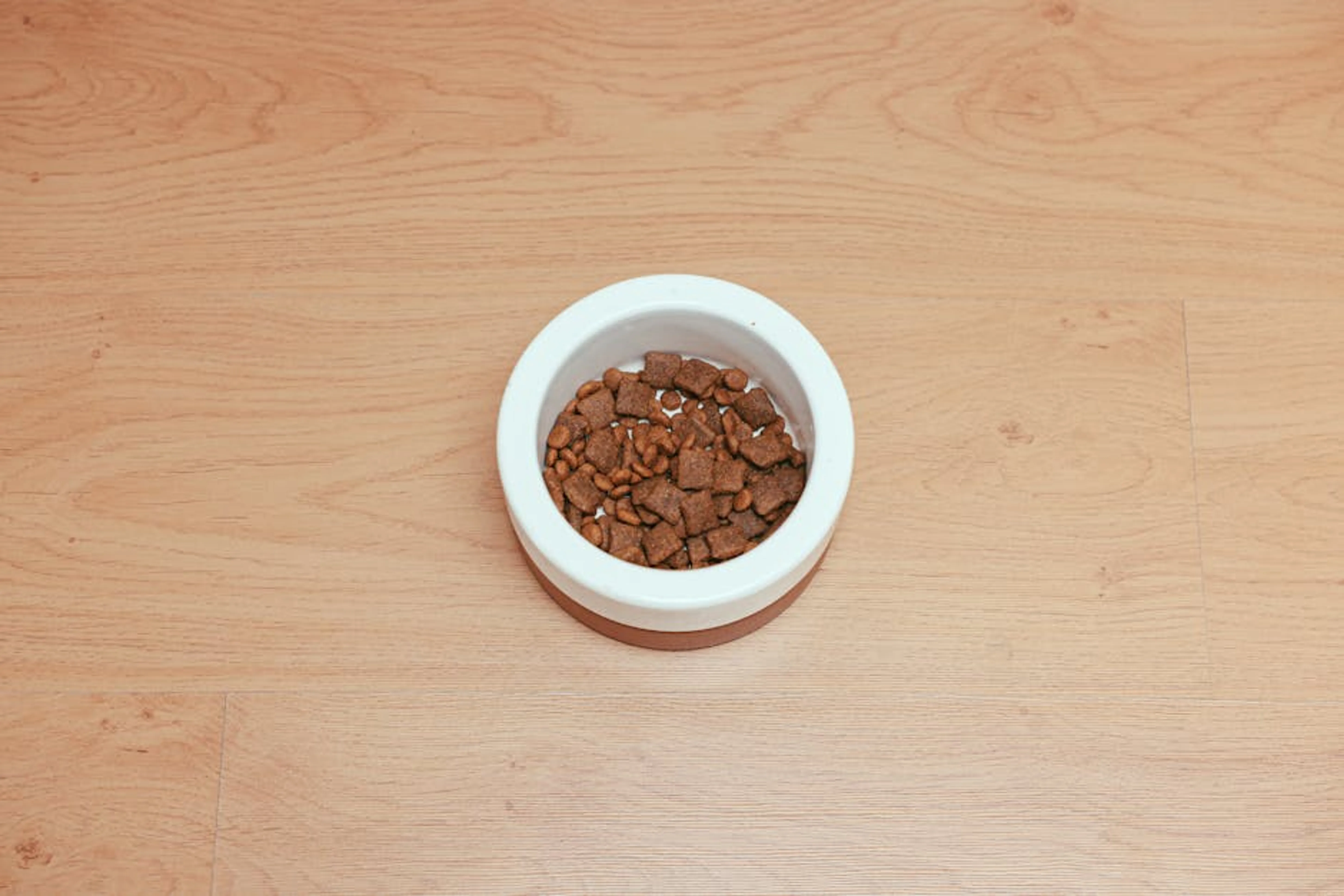
Beyond knowing what to feed, understanding how to feed your pet is equally important for their health and well-being.
Subheading 5.1: Portion Control and Feeding Schedules
Overfeeding is a leading cause of pet obesity, which can lead to numerous health problems. Follow the feeding guidelines on your pet food label as a starting point, but adjust based on your pet's age, activity level, and body condition. Your veterinarian can help you determine the ideal caloric intake. Establish a consistent feeding schedule (e.g., two meals a day) to aid digestion and help manage weight.
Subheading 5.2: Transitioning to New Foods
Sudden changes in diet can cause digestive upset. When introducing a new food, do so gradually over 7-10 days. Start by mixing a small amount of the new food with their current food, slowly increasing the proportion of the new food while decreasing the old. This allows your pet's digestive system to adapt.
Subheading 5.3: The Role of Treats
Treats can be useful for training and bonding, but they should be given in moderation. Treats should make up no more than 10% of your pet's daily caloric intake to prevent nutritional imbalances and weight gain. Choose healthy, low-calorie options or small pieces of safe fruits and vegetables.
Subheading 5.4: Consulting Your Veterinarian for Personalized Advice
Every pet is unique. Factors like age, breed, existing health conditions, and activity level significantly influence their nutritional requirements. Your veterinarian is the best resource for personalized dietary advice. They can help you choose the most appropriate commercial food, recommend supplements if necessary, and address any specific dietary concerns or health issues your pet may have.
Comparison Table: Common Pet-Safe vs. Pet-Unsafe Foods
Food ItemPet SafetyNotes/Potential RisksCooked Lean ChickenSafeExcellent protein. Ensure no skin, bones, or seasoning.ChocolateUnsafeContains theobromine, highly toxic, can cause seizures/death.Apples (no seeds/core)SafeGood source of fiber and vitamins. Remove seeds and core.Grapes/RaisinsUnsafeCan cause acute kidney failure in dogs.CarrotsSafeHealthy snack, good for dental health.Onions/GarlicUnsafeToxic to red blood cells, can cause anemia.Plain Cooked RiceSafeEasily digestible, often used for upset stomachs.Xylitol (Artificial Sweetener)UnsafeExtremely toxic, causes rapid blood sugar drop and liver failure in dogs.Peanut Butter (Xylitol-free)CautionSafe if xylitol-free and given in moderation (high fat).AvocadoCautionContains persin (mildly toxic to dogs/cats), high fat content can cause pancreatitis.Cooked Salmon (boneless)SafeGood source of Omega-3s. Ensure fully cooked and boneless.Raw Yeast DoughUnsafeExpands in stomach, causes alcohol poisoning.
FAQ Section
Question 1: How often should I feed my pet?
Most adult dogs and cats benefit from being fed two meals per day. This helps manage hunger, prevent overeating, and maintain stable energy levels. Puppies and kittens, due to their rapid growth and higher metabolic rates, typically require three to four smaller meals per day. Always consult your veterinarian for specific recommendations based on your pet's age, size, and health.
Question 2: Can my pet eat leftovers from my plate?
Generally, it is not recommended to feed your pet leftovers from your plate. Human food is often high in salt, fat, sugar, and seasonings that are not suitable for pets and can lead to digestive upset, pancreatitis, or long-term health issues like obesity. Many human foods are also toxic to pets. Stick to pet-specific foods and approved safe human foods in moderation.
Question 3: What are the signs of a poor diet in my pet?
Signs of a poor diet can include a dull or greasy coat, flaky skin, excessive shedding, low energy levels, weight gain or loss, frequent vomiting or diarrhea, poor dental health, and a weakened immune system leading to frequent infections. If you observe any of these symptoms, it is crucial to consult your veterinarian to evaluate your pet's diet and overall health.
Conclusion

Navigating the world of pet nutrition can seem daunting, but armed with the right knowledge, you can provide your best friend with a diet that supports their optimal health and longevity. Understanding their basic nutritional needs, deciphering pet food labels, and being aware of both safe and dangerous human foods are fundamental steps.
Remember that a balanced diet, proper portion control, and regular veterinary consultations are key pillars of responsible pet ownership. By making informed choices about what your pet eats, you are investing in their health, happiness, and the cherished years you share together.
Content is for information only; Author/Site is not liable for decisions made; Reader is responsible for their own actions.
------end of article------