Stop Burning Food: Simple Fixes You Need
Burning food is a common culinary frustration leading to waste and disappointment. This comprehensive guide provides practical, expert-backed strategies to help you master heat control, understand ingredients, and refine your cooking techniques to stop burning food for good.

Introduction
The acrid smell of burnt food is an all-too-familiar kitchen nightmare, signaling wasted ingredients, a ruined meal, and often, profound frustration. Whether it's a scorched sauce, blackened vegetables, or a rock-hard bottom on your favorite dish, burning food is a common problem that costs you time, money, and culinary confidence. You might feel like it's an unavoidable part of cooking, but it doesn't have to be. Drawing on extensive culinary experience and the principles of cooking science, this article will equip you with the actionable knowledge and practical strategies you need to banish burnt food from your kitchen for good. You are about to discover simple, effective fixes that will transform your cooking, ensuring consistently delicious results and a much more enjoyable experience at the stove.
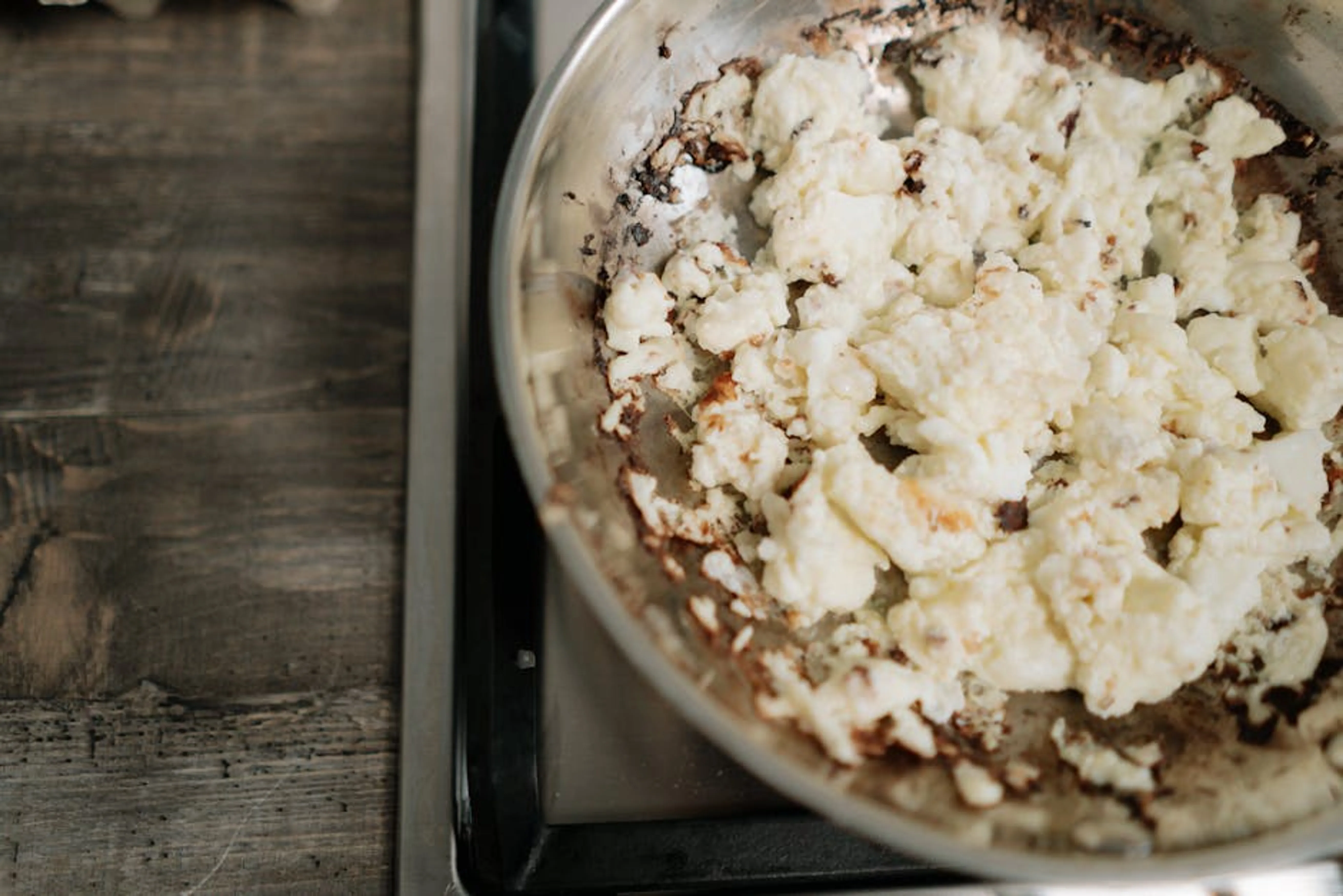
Section 1: Understanding the Causes of Burnt Food
Before you can stop burning food, you need to understand why it happens. Burning is essentially a chemical reaction where food components break down excessively due to prolonged or intense heat. Identifying the root causes is the first step toward prevention.
Subheading 1.1: Heat Management is Key
At the heart of most burnt food lies improper heat management. The role of temperature control in cooking cannot be overstated; it dictates how quickly and evenly food cooks. Applying too much heat too quickly can scorch the exterior before the interior has a chance to cook through, while inconsistent heat can lead to hot spots that burn specific areas of your dish. Common mistakes include setting the burner to high out of impatience, failing to adjust heat as food cooks, or not accounting for the residual heat in a pan even after it's removed from the stove.
Subheading 1.2: Ingredient and Pan Interactions
Certain food components are more prone to burning. Sugars, for instance, caramelize and then burn very quickly, making sugary sauces or glazes particularly tricky. Proteins can also seize and burn if exposed to excessive dry heat without adequate fat or moisture. Furthermore, the type of pan you use significantly affects heat distribution. Thin, lightweight pans often develop hot spots and transfer heat unevenly, increasing the likelihood of burning, especially with delicate ingredients. Sticky residues left on pans from previous cooking can also act as nucleation points for burning.
Subheading 1.3: Timing and Attention
Cooking is not a set-it-and-forget-it activity, especially when you are learning to master new techniques or ingredients. The importance of monitoring food while cooking cannot be stressed enough. Distractions, such as checking your phone, watching TV, or tending to other tasks, are common culprits behind burnt meals. A momentary lapse in attention can be all it takes for a perfectly cooking dish to turn into a charred mess, particularly with high-heat cooking methods or delicate ingredients.
Section 2: Mastering Heat Control Techniques
Effective heat control is a fundamental skill in the kitchen. By understanding and manipulating temperature, you can prevent burning and ensure your food cooks perfectly every time.
Subheading 2.1: Choosing the Right Heat Level
Identifying the appropriate heat for different cooking methods is crucial. For searing meats, you'll typically start with medium-high to high heat to create a crust, then often reduce it. Simmering, on the other hand, requires a gentle, low heat to maintain a bare whisper of bubbles. Baking relies on a consistent, preheated oven temperature. Learn to recognize visual cues: shimmering oil indicates it's hot enough for sautéing, gentle bubbles around the edges of a sauce signify a simmer, and rapid, rolling bubbles mean a boil. Adjust your heat based on these signals, not just the recipe's initial instruction.
Subheading 2.2: Even Heat Distribution
Even heat distribution is paramount to preventing burning. Invest in good quality, heavy-bottomed pans, which are designed to distribute heat more uniformly across their surface, minimizing hot spots. Before adding food, always preheat your pans properly. This allows the pan to reach a consistent temperature. When using oil or fat, ensure it's evenly distributed across the cooking surface. Swirl it around or brush it on if necessary, as dry spots are prone to burning food.
Subheading 2.3: Temperature Adjustment Strategies
Be proactive in adjusting your heat. If you notice food cooking too quickly or threatening to burn, lower the heat immediately. Don't be afraid to remove the pan from the burner entirely for a few seconds to let it cool down before returning it to a lower setting. Using indirect heat can also be a lifesaver; if a dish is browning too quickly on top in the oven, cover it loosely with foil. For stovetop cooking, moving food to a cooler part of a large pan or even using a heat diffuser can help manage intense heat. Covering pots can also trap moisture and distribute heat more gently, preventing scorching.
Section 3: Smart Cooking Practices to Prevent Burning
Beyond heat control, adopting smart cooking practices can significantly reduce your chances of burning food.
Subheading 3.1: Proper Use of Fats and Oils
Fats and oils serve multiple purposes: they conduct heat, prevent sticking, and add flavor. Selecting appropriate cooking fats and understanding their smoke points is vital. Olive oil is great for lower-heat cooking, while avocado oil or grapeseed oil are better for high-heat searing due to their higher smoke points. Using the right amount of fat is also key; too little can lead to sticking and burning, while too much can make food greasy. Generally, add fat to a preheated pan, allowing it to shimmer before adding food. This creates a non-stick barrier and helps distribute heat.
Subheading 3.2: Stirring and Flipping Techniques
Regular stirring and flipping are essential for many dishes to ensure even cooking and prevent food from sticking and burning to the bottom of the pan. For sautéed vegetables, frequent tossing keeps them moving and prevents one side from over-browning. When searing, a single flip is often sufficient once a crust has formed. However, some specific dishes, like delicate fish fillets or pancakes, require less intervention; too much flipping can break them apart or prevent a good crust from forming. Always know your dish's requirements.
Subheading 3.3: Understanding Cooking Times
Recipes provide valuable guides for cooking times, but they are just that – guides. Your specific stove, oven, cookware, and even the starting temperature of your ingredients can influence actual cooking duration. Instead of relying solely on the clock, learn to rely on visual and sensory cues. Check food periodically: look for changes in color, texture, and aroma. Use a meat thermometer for proteins. Adjust cooking times as needed; it's always easier to cook something for a few more minutes than to salvage burnt food.

Section 4: Cookware and Ingredient Considerations
The tools you use and how you prepare your ingredients play a significant role in your success.
Subheading 4.1: Selecting the Right Cookware
The material of your pan directly impacts heat distribution and non-stick properties. Stainless steel is durable and heats evenly but can stick if not properly used. Cast iron retains heat exceptionally well and develops a natural non-stick surface over time but requires careful seasoning and maintenance. Non-stick pans are excellent for delicate foods like eggs or fish but shouldn't be used with high heat, which can damage their coating. Heavy-bottomed pans, regardless of material, are generally superior for preventing burning due to their even heat distribution. Proper maintenance, including thorough cleaning after each use, is also crucial to prevent burnt-on residue from building up and causing future sticking and burning.
Subheading 4.2: Ingredient Preparation
How you prepare your ingredients can also influence burning. Cutting food evenly ensures that all pieces cook at roughly the same rate, preventing smaller pieces from burning while larger ones remain undercooked. When working with sauces containing sugar, be extra vigilant with heat, as sugar burns quickly. If you notice fond (browned bits) developing too quickly at the bottom of your pan and threatening to burn, consider deglazing. Adding a splash of liquid (like wine, broth, or water) to a hot pan will lift these flavorful bits, preventing them from burning and incorporating them back into your sauce, enhancing its flavor.
Section 5: Data Summary / Comparison Table
Understanding optimal conditions for common foods can significantly reduce burning incidents.
Food TypeOptimal Heat LevelKey Prevention TipVisual Cue for DonenessEggs (Scrambled)Low to Medium-LowStir frequently, remove from heat slightly before fully setJust set, still moist, no browningSautéed VegetablesMedium-HighDon't overcrowd pan, stir frequentlyTender-crisp, slightly browned edgesBaked Goods (Cakes, Cookies)Oven: Medium (325-375°F)Preheat oven, use parchment paper, check for browningGolden brown, springy to touch, toothpick comes out cleanPan-Seared MeatsMedium-High to High (initial sear), then Medium-LowPat dry, preheat pan, don't overcrowd, flip once for searGolden-brown crust, internal temp reaches targetSauces (Sugar-based)Low to Medium-LowStir constantly, use heavy-bottomed pan, watch for bubblingThickened, glossy, no dark spots
Key takeaway: Success in preventing burning hinges on matching the heat to the food, providing consistent attention, and using the right tools.

FAQ Section
What's the best way to salvage food that's starting to burn?
If you catch it early, you might be able to salvage it. Immediately remove the pan from the heat. Gently transfer the unburnt portions to a clean pan, being careful not to scrape up any charred bits from the bottom. For sauces, you can sometimes add a fresh liquid or dairy to dilute any burnt flavor, or even strain it through a fine-mesh sieve. For solid foods, trim off any burnt edges. Sometimes, a strong flavor enhancer like a squeeze of lemon or a fresh herb can mask a very mild burnt taste.
How can I prevent burning delicate ingredients like fish or eggs?
Delicate ingredients like fish and eggs require lower heat and careful handling. Use a good quality non-stick pan or a well-seasoned cast-iron skillet. Ensure your pan is properly preheated with a moderate amount of fat (butter or oil) before adding the food. For fish, cook skin-side down first to crisp the skin, then flip once. For eggs, especially scrambled or fried, keep the heat low and stir or flip gently. Patience is key; don't rush the process with high heat.
Does the type of stove (gas vs. electric vs. induction) affect burning?
Yes, the type of stove absolutely affects how you manage heat and thus, burning. Gas stoves offer instant, precise heat control, allowing for quick adjustments. Electric coil stoves heat up and cool down slowly, requiring you to anticipate changes and remove pans from the burner to stop cooking. Induction stoves provide very rapid and precise heat, similar to gas, but without residual heat on the burner itself; however, pans must be induction-compatible. Understanding your stove's characteristics and adjusting your timing and heat management accordingly is crucial for preventing burns.
Conclusion
Burning food is a frustrating but entirely avoidable culinary mishap. By implementing the simple fixes and expert strategies outlined in this guide, you can confidently navigate your kitchen and consistently produce perfectly cooked meals. Mastering heat control, understanding your ingredients and cookware, and adopting smart cooking practices are the cornerstones of preventing burnt food. You now have the knowledge to choose the right heat, use fats effectively, monitor your dishes, and select appropriate tools, fundamentally transforming your cooking experience. Embrace these tips to reduce waste, elevate the taste of your food, and cook with newfound confidence and joy.
Content is for information only; Author/Site is not liable for decisions made; Reader is responsible for their own actions.
------end of article------