Stop Ignoring These Car Maintenance Mistakes
Ignoring crucial car maintenance can lead to costly repairs, reduced safety, and diminished vehicle performance. This guide exposes common mistakes drivers make and provides actionable advice to keep your vehicle running smoothly and safely, saving you money in the long run.

Introduction
Ignoring your car's maintenance needs is a common oversight that can lead to significant financial burdens, unexpected breakdowns, and compromised safety. The seemingly minor tasks that many drivers postpone or dismiss often escalate into major, expensive repairs that could have been easily prevented. This guide is designed to reveal the most critical car maintenance mistakes you might be making, offering clear, actionable advice to help you maintain your vehicle's health, extend its lifespan, and protect your wallet.
The hidden costs of neglecting your car extend far beyond repair bills; they include reduced fuel efficiency, decreased resale value, and the invaluable risk to your safety and the safety of others on the road. Understanding and addressing these overlooked aspects of car care is essential for every vehicle owner.
This comprehensive guide draws upon established automotive best practices and expert recommendations to provide you with reliable information. By understanding the 'why' behind each maintenance task, you will be empowered to make informed decisions about your vehicle's care. You can trust this guide to equip you with the knowledge necessary to avoid costly errors and ensure your car remains a dependable mode of transport.
Core Section 1: The Dangers of Skipping Regular Oil Changes
One of the most fundamental yet frequently neglected aspects of car maintenance is the regular oil change. Many drivers underestimate the critical role engine oil plays and the severe consequences of failing to replace it on time.
How Oil Works and Why It Degrades
Engine oil serves multiple vital functions within your vehicle's engine. It lubricates moving parts, reducing friction and preventing wear. It also helps to cool the engine by carrying heat away from critical components, cleans the engine by suspending dirt and contaminants, and protects against corrosion. Over time, engine oil degrades due to exposure to high temperatures, combustion byproducts, and contaminants. Its additives break down, its viscosity changes, and it becomes less effective at performing its crucial tasks. This degradation is a natural process that cannot be avoided, making regular replacement imperative.
The Domino Effect: Engine Damage from Old Oil
When engine oil becomes old and contaminated, its ability to lubricate, cool, and clean diminishes significantly. This leads to increased friction between engine components, causing accelerated wear and tear. Metal-on-metal contact can score cylinder walls, damage bearings, and eventually lead to catastrophic engine failure. Sludge buildup, a common result of neglected oil changes, can block oil passages, starving parts of lubrication. The domino effect of old oil can turn a relatively inexpensive oil change into thousands of dollars in engine repair or replacement costs.
Recommended Oil Change Intervals and Types
The recommended oil change interval varies depending on your vehicle's make and model, the type of oil used, and your driving conditions. Modern vehicles often have longer intervals, sometimes ranging from 5,000 to 10,000 miles, especially when using synthetic oil. Conventional oil typically requires changes every 3,000 to 5,000 miles. Always consult your vehicle's owner's manual for the precise recommendations. There are several types of engine oil: conventional, synthetic-blend, full synthetic, and high-mileage oil. Full synthetic oil offers superior protection and performance, particularly in extreme temperatures, and often allows for extended change intervals. Choosing the correct oil type and adhering to the recommended schedule are crucial for engine longevity.

Core Section 2: Ignoring Tire Health: A Risky Oversight
Your tires are the sole point of contact between your vehicle and the road, making their condition paramount for safety, performance, and fuel efficiency. Neglecting tire health is a risky oversight with immediate and long-term consequences.
Understanding Tire Wear and Its Impact on Safety
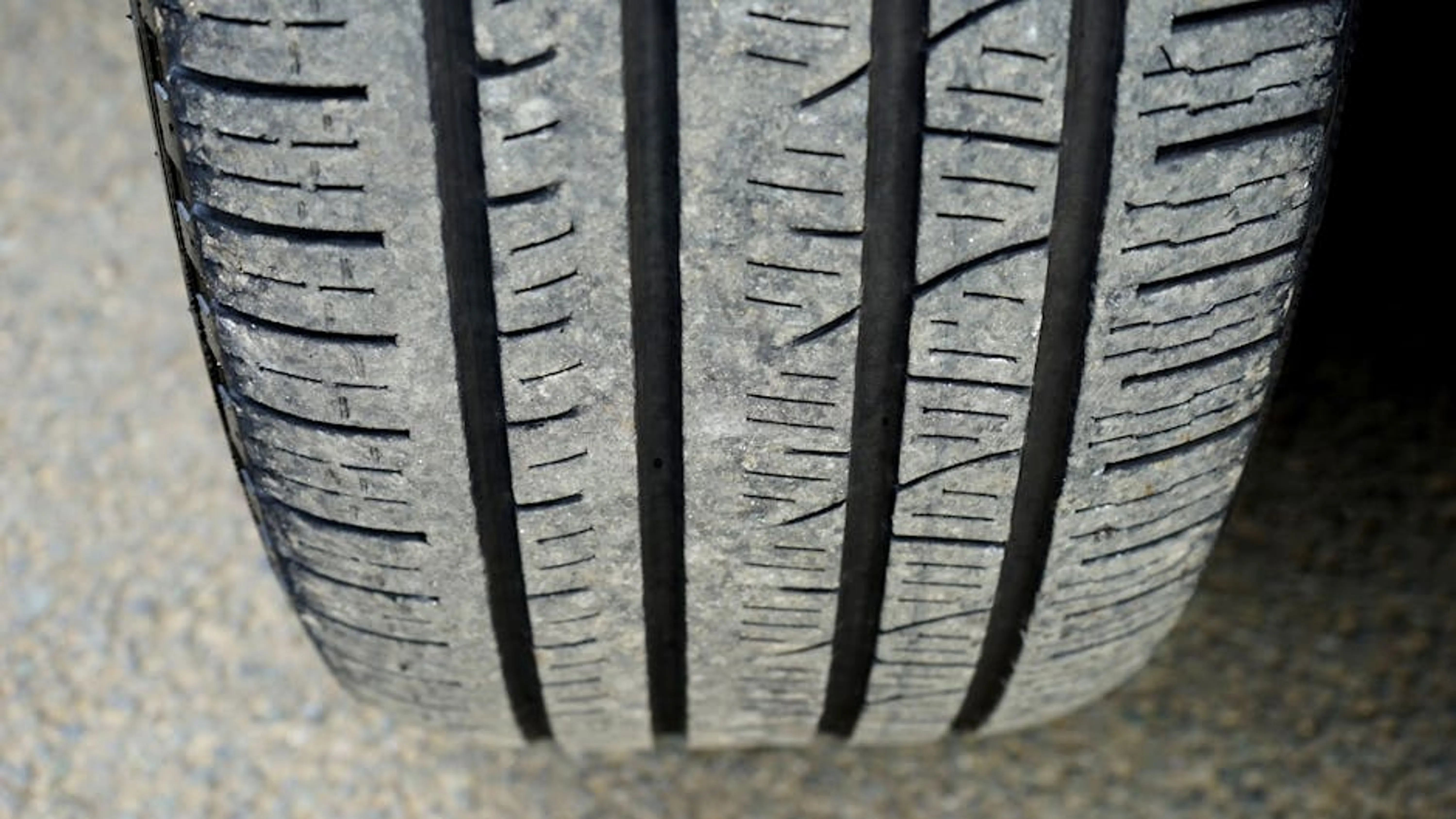
Tire wear is inevitable, but uneven or excessive wear can indicate underlying issues and significantly compromise safety. Worn tires have reduced traction, especially in wet or slippery conditions, increasing stopping distances and the risk of hydroplaning. Uneven wear patterns can be caused by improper alignment, unbalanced wheels, or incorrect tire pressure. Regular inspection of your tire tread for signs of uneven wear, feathering, or cupping is crucial. Understanding these patterns can alert you to problems before they become dangerous.
The Importance of Tire Pressure: Effects on Fuel Economy and Handling
Maintaining correct tire pressure is one of the easiest yet most impactful maintenance tasks. Underinflated tires increase rolling resistance, which forces your engine to work harder, leading to decreased fuel economy. They also generate excessive heat, which can cause premature tire wear and increase the risk of a blowout. Overinflated tires, while potentially improving fuel economy slightly, reduce the tire's contact patch with the road, leading to poorer handling, reduced braking effectiveness, and a harsher ride. Always check your vehicle's recommended tire pressure, usually found on a sticker inside the driver's door jamb or in the owner's manual, and check pressure monthly when tires are cold.
When to Replace Your Tires: Tread Depth and Age
Knowing when to replace your tires is critical for safety. The legal minimum tread depth in many places is 2/32 of an inch. You can check this using a tread depth gauge or the built-in wear bars on your tires. If the tread is flush with the wear bars, it's time for new tires. Beyond tread depth, tire age is also a factor. Even if tires have sufficient tread, rubber degrades over time, becoming brittle and prone to cracking, especially with exposure to sunlight and extreme temperatures. Most tire manufacturers and automotive experts recommend replacing tires every 6 to 10 years, regardless of visible wear, as the internal structure can deteriorate. Look for the DOT code on the tire sidewall to determine its manufacturing date.
Core Section 3: Overlooking Fluid Checks: More Than Just Oil
While engine oil gets most of the attention, your car relies on a variety of other fluids to operate correctly and safely. Neglecting these can lead to a host of problems, from minor inconveniences to major system failures.
Coolant: Preventing Overheating and Corrosion
Engine coolant, also known as antifreeze, is essential for maintaining your engine's operating temperature. It prevents the engine from overheating in hot weather and freezing in cold weather. Coolant also contains additives that protect the cooling system components from corrosion and rust. Over time, these additives deplete, and the coolant can become contaminated, losing its effectiveness. A low coolant level or degraded coolant can lead to engine overheating, which can cause severe damage, including a blown head gasket or cracked engine block. Check your coolant level regularly and follow your manufacturer's recommendations for flushing and replacing it.
Brake Fluid: Ensuring Stopping Power
Brake fluid is a hydraulic fluid that transmits the force from your brake pedal to the brake calipers, engaging the brake pads and stopping your vehicle. It is hygroscopic, meaning it absorbs moisture from the air over time. Water contamination in brake fluid lowers its boiling point, which can lead to brake fade or complete brake failure, especially during heavy braking or prolonged use. Contaminated fluid can also corrode internal brake components. Brake fluid should be checked for level and condition regularly and typically replaced every two to three years, or as specified in your owner's manual.
Transmission Fluid: The Lifeblood of Your Drivetrain
Transmission fluid lubricates the moving parts of your transmission, helps cool it, and acts as a hydraulic fluid in automatic transmissions. Like engine oil, it degrades over time and can become contaminated with wear particles. Low or dirty transmission fluid can lead to rough shifting, slipping gears, overheating, and ultimately, transmission failure. Transmission repairs are among the most expensive vehicle repairs. While some modern transmissions are designed with 'lifetime' fluid, checking your owner's manual for recommended inspection and change intervals is still wise, especially under severe driving conditions.
Power Steering Fluid: Maintaining Control
Power steering fluid is a hydraulic fluid that assists you in turning the steering wheel, making it easier to maneuver your vehicle. Low or contaminated power steering fluid can lead to a stiff or noisy steering wheel, difficulty turning, and accelerated wear on the power steering pump. While not as critical as brake or transmission fluid in terms of immediate safety, neglecting power steering fluid can lead to costly pump replacement or steering rack repairs. Check the fluid level and condition periodically, topping it off as needed and replacing it according to your vehicle's maintenance schedule.
Core Section 4: The Neglected Filter: Air and Cabin Filters
Filters are unsung heroes in your car, protecting vital systems and ensuring your comfort. Overlooking their replacement is a common mistake that can impact both your vehicle's performance and your health.
Engine Air Filter: Your Engine's Lungs
The engine air filter prevents dust, dirt, debris, and insects from entering your engine's combustion chambers. A clean air filter ensures a proper air-fuel mixture, allowing your engine to breathe efficiently. A clogged or dirty engine air filter restricts airflow, forcing the engine to work harder, which can lead to decreased fuel efficiency, reduced horsepower, and increased emissions. In severe cases, a very dirty filter can cause engine misfires or stalling. Replacing this inexpensive component regularly is a simple way to maintain engine health and performance.
Cabin Air Filter: Your Health and Comfort
Often completely ignored, the cabin air filter cleans the air that enters your vehicle's interior through the heating, ventilation, and air conditioning (HVAC) system. It traps dust, pollen, pollutants, and other allergens, improving air quality inside the cabin. A clogged cabin air filter can reduce airflow from your vents, leading to poor heating and cooling performance, and can also introduce unpleasant odors into the cabin. For allergy sufferers or those sensitive to air quality, a clean cabin air filter is particularly important for health and comfort.
Replacement Frequency and Signs of Clogging
The replacement frequency for both engine and cabin air filters varies. Engine air filters are typically recommended for replacement every 15,000 to 30,000 miles, or annually, but this can be sooner if you frequently drive in dusty conditions. Signs of a clogged engine air filter include reduced fuel economy, sluggish acceleration, and a noticeable decrease in engine power. Cabin air filters usually need replacement every 12,000 to 15,000 miles, or annually. Signs of a clogged cabin air filter include reduced airflow from the HVAC vents, musty odors, and increased dust accumulation on interior surfaces. Both filters are often easy to access and replace yourself, making them cost-effective DIY maintenance tasks.

Comparison Table/Data Summary: Maintenance Schedules vs. Cost of Neglect
Understanding the direct financial impact of neglecting maintenance can be a powerful motivator for proactive car care. The table below summarizes typical maintenance intervals and the potential repair costs associated with ignoring these crucial tasks.
Maintenance ItemTypical Interval (Miles/Years)Potential Repair Cost (If Neglected)Impact of NeglectEngine Oil Change3,000-10,000 miles / 6-12 months$3,000 - $10,000+ (Engine Replacement)Engine seizure, severe wear, catastrophic failureTire Rotation & Balance5,000-8,000 miles$100 - $300 (Premature Tire Replacement)Uneven tire wear, reduced tire life, poor handlingBrake Fluid Flush30,000-60,000 miles / 2-3 years$500 - $2,000+ (Brake System Failure)Reduced stopping power, brake fade, corrosion of componentsCoolant Flush30,000-100,000 miles / 2-5 years$1,000 - $4,000+ (Engine Overheat Damage)Engine overheating, head gasket failure, corrosionTransmission Fluid Change30,000-100,000 miles (Varies by vehicle)$3,000 - $7,000+ (Transmission Replacement)Rough shifting, slipping, transmission failureEngine Air Filter15,000-30,000 miles / 1 year$100 - $500 (Reduced Fuel Economy, Engine Issues)Decreased fuel efficiency, reduced power, increased emissionsCabin Air Filter12,000-15,000 miles / 1 year$50 - $200 (HVAC System Strain, Poor Air Quality)Reduced airflow, odors, increased allergensSpark Plugs30,000-100,000 miles (Varies by type)$200 - $1,000+ (Ignition System Damage)Misfires, reduced fuel economy, catalytic converter damage
FAQ Section
How often should I check my car's fluids?
It is recommended to check your car's essential fluids, such as engine oil, coolant, brake fluid, and power steering fluid, at least once a month. This can be done as part of your regular fuel fill-up or a dedicated quick check. Checking more frequently, especially before long trips or in extreme weather conditions, is always a good practice. Consult your owner's manual for specific fluid check procedures and recommended levels.
Can I delay a specific maintenance item without serious consequences?
While some maintenance items might have a small grace period, delaying them beyond the manufacturer's recommended interval significantly increases the risk of serious consequences. For instance, delaying an oil change can lead to accelerated engine wear, while postponing tire rotation can cause uneven tire wear and reduce tire lifespan. The cumulative effect of delaying multiple items can lead to a cascade of problems and much higher repair costs than the original maintenance would have incurred. It is always best to adhere to the recommended schedule.
What are the signs that my car needs immediate attention?
Several warning signs indicate your car needs immediate attention. These include dashboard warning lights (e.g., Check Engine, Oil Pressure, Brake Warning), unusual noises (grinding brakes, squealing belts, knocking engine), strange smells (burning oil, sweet coolant, burning rubber), fluid leaks under the vehicle, a noticeable change in handling or braking performance, or excessive smoke from the exhaust. Any of these symptoms should prompt an immediate inspection by a qualified mechanic to prevent further damage or ensure your safety.
Conclusion
Ignoring common car maintenance mistakes is a costly gamble that no vehicle owner should take. From the critical role of regular oil changes in preventing catastrophic engine failure to the safety implications of neglecting tire health, and the unseen importance of various fluids and filters, each element of your car's maintenance schedule is designed to ensure its longevity, reliability, and your safety. The mistakes outlined – skipping oil changes, neglecting tire health, overlooking fluid checks, and ignoring filter replacements – are easily avoidable with a proactive approach to car care.
Embracing proactive car care is not merely about avoiding breakdowns; it is an investment in your safety, your finances, and the lifespan of your vehicle. By adhering to recommended maintenance schedules and addressing issues promptly, you will enjoy greater peace of mind, improved fuel efficiency, higher resale value, and a more dependable driving experience for years to come. Your car is a significant investment; protect it with diligent care.
Content is for information only; Author/Site is not liable for decisions made; Reader is responsible for their own actions.
------end of article------