Stop Making These Credit Score Mistakes
Are you unknowingly damaging your credit score? This comprehensive guide reveals the critical mistakes that drag down your credit and provides clear, actionable solutions to help you build and maintain excellent credit. Learn how to master payment history, manage credit utilization, understand credit reports, and debunk common credit myths to secure your financial future.

Introduction
Are you tired of feeling held back by a less-than-stellar credit score? Many individuals are unknowingly sabotaging their financial future by making common, yet avoidable, credit score mistakes. This comprehensive guide will expose these pitfalls and provide you with clear, actionable strategies to not only stop the damage but also to proactively build and maintain an excellent credit score. You will learn precisely what impacts your score and how to take control, transforming your financial trajectory.
Hook: Why Your Credit Score Matters More Than You Think
Your credit score is far more than just a number; it is a critical gatekeeper to countless financial opportunities. A strong credit score can unlock lower interest rates on loans and mortgages, reduce insurance premiums, simplify apartment rentals, and even influence job prospects. Conversely, a poor credit score can lead to higher borrowing costs, rejections for credit, and increased financial stress. Understanding and optimizing your credit score is an essential step towards financial freedom and security.
E-E-A-T Establishment: Building Trust in Our Credit Guidance
The information presented here is meticulously researched and compiled by finance experts with extensive knowledge of credit reporting and scoring methodologies. Our goal is to provide you with accurate, objective, and solution-oriented advice, empowering you with the expertise needed to navigate the complexities of personal finance. You can trust that the strategies outlined are based on established financial principles and best practices for credit management.
Section 1: The Common Pitfalls That Drag Down Your Score
Understanding the most frequent errors people make is the first step toward avoiding them. This section delves into the primary mistakes that can significantly depress your credit score.
Mistake 1: Missing Payments (The Cardinal Sin)
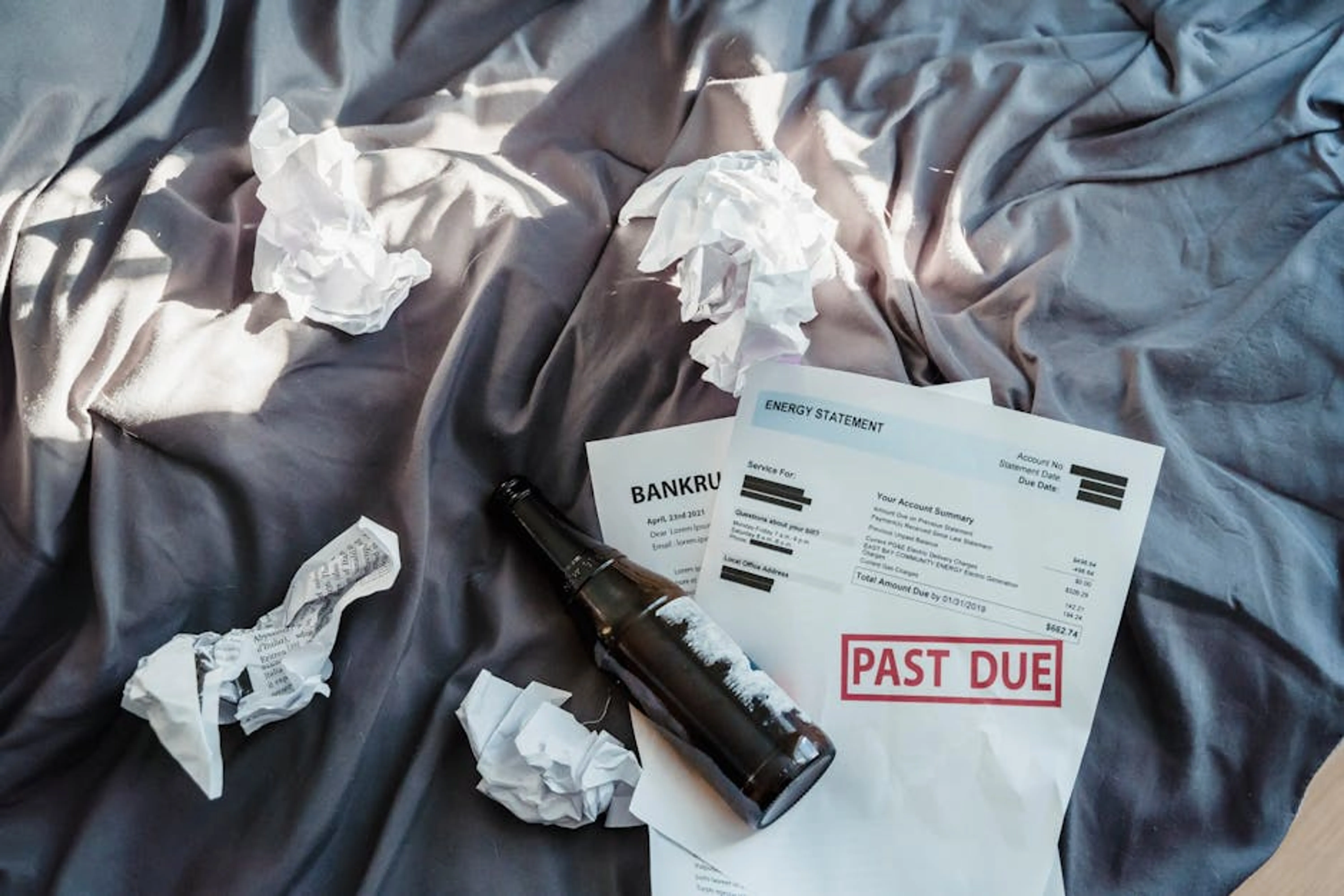
Missing a payment is arguably the most damaging action you can take against your credit score. Payment history accounts for approximately 35% of your FICO score, making it the single most influential factor. A single late payment, especially if it's reported 30 days or more past its due date, can cause a significant drop in your score and remain on your credit report for up to seven years.
Explanation: How payment history impacts your score.
Credit bureaus track every payment you make on credit cards, loans, and other forms of credit. They record whether payments are made on time, late, or missed entirely. Lenders view a consistent history of on-time payments as a strong indicator of your reliability and creditworthiness. Any deviation from this pattern signals a higher risk, which is immediately reflected in a lower score.
Solution: Strategies for never missing a payment.
Automate Payments: Set up automatic payments from your checking account to cover at least the minimum amount due on all your credit accounts.
Set Reminders: Use calendar alerts, banking app notifications, or third-party financial tools to remind you a few days before each payment is due.
Align Due Dates: If possible, adjust your payment due dates to align with your paychecks or a single, easy-to-remember day of the month.
Create a Budget: Develop a realistic budget that ensures you have sufficient funds available to cover all your monthly obligations.
Mistake 2: Maxing Out Your Credit Cards (High Credit Utilization)
Another major mistake is using a large percentage of your available credit. This is known as high credit utilization, and it accounts for about 30% of your credit score. Lenders see a high utilization ratio as a sign that you might be over-reliant on credit or struggling financially, even if you pay your bills on time.
Explanation: Understanding credit utilization ratio and its significance.
Your credit utilization ratio is calculated by dividing your total credit card balances by your total available credit. For example, if you have a credit card with a $1,000 limit and a $900 balance, your utilization is 90%. Ideally, you want to keep this ratio below 30% across all your credit cards, and even lower (below 10%) for an excellent score. This applies to individual cards as well as your overall credit portfolio.
Solution: How to keep your utilization low.
Pay Balances Multiple Times a Month: Instead of waiting for the statement due date, make smaller payments throughout the month to keep your reported balance low.
Increase Credit Limits: Request a credit limit increase from your card issuer. This can lower your utilization ratio, but only if you don't increase your spending.
Pay Down Debt: Focus on paying down your credit card balances as quickly as possible, especially those with high interest rates.
Avoid Unnecessary Purchases: Be mindful of your spending and avoid using credit cards for purchases you can't afford to pay off quickly.
Mistake 3: Applying for Too Much Credit at Once
While having access to credit is beneficial, applying for multiple new credit accounts in a short period can be detrimental to your score. Each application typically results in a 'hard inquiry' on your credit report, signaling potential financial distress to lenders.
Explanation: The impact of hard inquiries on your score.
A hard inquiry occurs when a lender checks your credit report to make a lending decision. These inquiries can temporarily lower your credit score by a few points and remain on your report for up to two years, though their impact diminishes over time. Multiple hard inquiries in a short timeframe suggest you are either desperate for credit or planning to take on significant new debt, both of which are red flags for lenders.
Solution: When and how to apply for new credit responsibly.
Space Out Applications: If you need multiple types of credit (e.g., a car loan and a credit card), try to space out your applications over several months.
Shop for Rates Within a Window: For rate shopping for a single type of loan (like a mortgage or auto loan), multiple inquiries within a specific timeframe (typically 14-45 days, depending on the scoring model) are often treated as a single inquiry.
Apply Only When Necessary: Only apply for new credit when you genuinely need it and are confident you'll be approved.
Pre-qualification/Pre-approval: Use pre-qualification tools that only involve a 'soft inquiry' (which doesn't affect your score) to gauge your eligibility before submitting a full application.
Section 2: Understanding the Nuances of Credit Reporting
Beyond the obvious payment behaviors, there are subtle aspects of credit reporting that can impact your score. Being aware of these nuances allows you to manage your credit more effectively.
Mistake 4: Not Checking Your Credit Reports Regularly
Many people assume their credit reports are always accurate, but this is a dangerous assumption. Errors on your credit report are surprisingly common and can severely undermine your score without your knowledge.
Explanation: Why errors happen and how they affect your score.
Credit report errors can range from incorrect personal information, accounts that don't belong to you, duplicate accounts, or incorrectly reported late payments. These errors can occur due to data entry mistakes, identity theft, or miscommunications between lenders and credit bureaus. Even a small error, such as an incorrectly reported late payment, can cost you dozens of points on your credit score and make it harder to qualify for favorable loan terms.
Solution: How to access and review your credit reports.
AnnualFreeCreditReport.com: You are entitled to a free copy of your credit report from each of the three major credit bureaus (Equifax, Experian, and TransUnion) once every 12 months. Visit AnnualFreeCreditReport.com (the only federally authorized source) to access them.
Stagger Your Requests: Consider requesting one report every four months from a different bureau to monitor your credit throughout the year.
What to Look For: Carefully review all accounts, balances, payment histories, and personal information. Check for any accounts you don't recognize, incorrect payment statuses, or outdated information.
Dispute Errors: If you find an error, dispute it directly with the credit bureau and the creditor. Provide documentation to support your claim.
Mistake 5: Closing Old, Unused Credit Accounts
It might seem logical to close old credit cards you no longer use, especially if they have an annual fee. However, doing so can inadvertently harm your credit score, particularly if it's one of your oldest accounts.
Explanation: The effect of credit history length and credit mix.
The length of your credit history (the average age of your accounts) accounts for about 15% of your credit score. Closing an old account reduces your average account age, potentially shortening your credit history. Furthermore, closing an account reduces your total available credit, which can increase your credit utilization ratio on your remaining cards, even if your balances haven't changed. Credit mix (the variety of credit types you have, like credit cards, installment loans, mortgages) also plays a small role (10%), and closing an account might affect this balance.
Solution: When it's smart to keep old accounts open.
Keep Them Open (If Fee-Free): If an old credit card has no annual fee and you're not tempted to overspend, it's generally best to keep it open, even if you use it infrequently. Consider making a small purchase once or twice a year to keep the account active.
Consider Annual Fees: If an old card has a high annual fee, weigh the fee against the potential impact on your credit score. Sometimes, closing a high-fee card is justifiable, especially if you have other long-standing accounts.
Don't Close to Avoid Temptation: If you're closing an account because you can't control your spending, addressing the underlying spending habits is more important than simply closing the account.
Section 3: Credit Score Myths vs. Reality
Misinformation about credit scores is widespread. Separating fact from fiction is crucial for effective credit management.
Myth 1: Checking your own credit hurts your score.
Reality: Understanding soft vs. hard inquiries.
This is a common misconception. When you check your own credit score or report through a free credit monitoring service, an online tool, or directly from the credit bureaus, it results in a 'soft inquiry'. Soft inquiries do not affect your credit score and are not visible to lenders. Only 'hard inquiries' initiated by a lender when you apply for new credit can impact your score. Feel free to check your score as often as you like!
Myth 2: You need to carry a balance to build credit.
Reality: The truth about interest and credit building.
Many believe they must carry a balance on their credit cards and pay interest to demonstrate responsible credit use. This is false and can be an expensive mistake. You build positive credit history by making on-time payments, not by incurring interest charges. Pay your credit card balance in full every month to avoid interest and maximize your credit-building efforts.
Myth 3: Your score is fixed and can't be improved.
Reality: The dynamic nature of credit scores.
Your credit score is not a static number; it is dynamic and constantly updated based on new information reported by lenders. While negative marks can remain on your report for years, their impact lessens over time, and positive actions can significantly improve your score. Consistent on-time payments, reducing debt, and maintaining low credit utilization can lead to substantial improvements in a relatively short period.
Section 4: Actionable Strategies for Improving Your Score
Now that you understand the common mistakes and credit score realities, let's explore proactive strategies to boost your score.
How to Pay Down Debt Effectively
Prioritize High-Interest Debt: Focus on paying off credit cards or loans with the highest interest rates first. This is often called the 'debt avalanche' method and saves you the most money in the long run.
Consider the Debt Snowball: If you need motivational wins, the 'debt snowball' method involves paying off your smallest debts first, regardless of interest rate, to build momentum.
Consolidate Debt: If you have multiple high-interest debts, consider a debt consolidation loan or a balance transfer credit card with a 0% introductory APR. Be cautious, as these strategies require discipline to avoid accumulating new debt.
How to Increase Your Credit Limits Strategically
Increasing your credit limits can lower your credit utilization ratio, but it must be done carefully.
Request an Increase: After consistently making on-time payments for six to twelve months, you can request a credit limit increase from your credit card issuer. Some issuers may grant this automatically.
Avoid New Spending: Only seek a credit limit increase if you are confident you will not increase your spending. The goal is to lower your utilization, not to incur more debt.
Be Aware of Hard Inquiries: Some lenders perform a hard inquiry when you request a limit increase, while others do a soft inquiry. Ask your lender about their policy before requesting.
How to Build a Positive Credit History (If You're New to Credit)
Secured Credit Cards: These cards require a cash deposit, which acts as your credit limit. They are an excellent way to build credit responsibly, as you are essentially borrowing against your own money.
Credit-Builder Loans: Offered by some credit unions and community banks, these loans place the loan amount in a savings account that you access only after making all payments. Your payments are reported to credit bureaus.
Authorized User Status: Ask a trusted family member with excellent credit to add you as an authorized user on one of their credit cards. Their positive payment history can then appear on your credit report.
Experian Boost: This free service allows you to add on-time utility and cell phone payments to your Experian credit file, potentially increasing your FICO score.
Section 5: Credit Score Quick Reference
This section provides a concise overview of the key takeaways from this guide.
Comparison Table: Common Mistakes vs. Their Impact
Common MistakeImpact on Credit ScoreSolutionMissing PaymentsMost significant negative impact, lasts 7 years.Automate payments, set reminders.High Credit UtilizationMajor negative impact, reduces available credit.Pay down balances, request limit increases, pay multiple times/month.Too Many Hard InquiriesTemporary negative impact (few points), lasts 2 years.Space out applications, use pre-qualification.Not Checking ReportsAllows errors to persist, potentially lowering score.Access free reports annually, dispute errors promptly.Closing Old AccountsShortens credit history, increases utilization.Keep fee-free accounts open, use them occasionally.
Data Summary: Key Factors Influencing Your Credit Score
Payment History (35%): Your record of on-time payments.
Amounts Owed/Credit Utilization (30%): How much credit you're using compared to what's available.
Length of Credit History (15%): The age of your oldest account and the average age of all accounts.
New Credit (10%): How often you apply for and open new credit accounts.
Credit Mix (10%): The variety of credit accounts you have (revolving, installment).
FAQ Section
1. How long does it take to see an improvement in my credit score after fixing mistakes?
The timeline for seeing credit score improvements can vary. Positive changes like paying down high balances on credit cards or making consistent on-time payments can start to show results within one to two billing cycles (30-60 days). More significant changes, such as removing a collection account or a bankruptcy, will take longer as their impact diminishes over time, but new positive history will build concurrently. Consistency is key.
2. Can I dispute errors on my credit report myself?
Absolutely. You have the right to dispute any inaccurate or incomplete information on your credit reports directly with the credit bureaus (Equifax, Experian, and TransUnion) and the creditor that reported the information. You can do this online, by mail, or by phone. The bureaus are legally required to investigate your dispute, usually within 30 days, and correct any errors found.
3. What's the difference between a good credit score and an excellent one?
While specific ranges can vary slightly by scoring model, generally: A 'good' credit score typically falls in the range of 670-739 (FICO Score). This score usually qualifies you for most loans and credit cards, though not always with the absolute best interest rates. An 'excellent' credit score is typically 800 or above (FICO Score). This score grants you access to the most favorable interest rates, premium credit card offers, and the highest likelihood of approval for virtually any type of credit.
Conclusion
Recap of Key Mistakes and Solutions
You now understand that avoiding credit score mistakes is paramount to your financial health. By consistently making on-time payments, keeping your credit utilization low, applying for new credit judiciously, regularly checking your credit reports for errors, and wisely managing old accounts, you can prevent the most common pitfalls. Debunking myths about carrying balances or the impact of checking your own score empowers you to make informed decisions.
Empowerment: Taking Control of Your Financial Future
Your credit score is not a mystery; it's a reflection of your financial habits. By implementing the actionable strategies outlined in this guide, you are not just fixing mistakes; you are taking proactive control of your financial future. A strong credit score is an invaluable asset that opens doors to better financial opportunities and greater peace of mind. Start today, and watch your credit score, and your financial freedom, grow.
Content is for information only; Author/Site is not liable for decisions made; Reader is responsible for their own actions.
------end of article------
Related Articles