The Secret to Easy Vegetable Gardening: Start Here
Dreaming of fresh, homegrown vegetables? This guide reveals the straightforward steps to cultivating a thriving vegetable garden with ease, transforming your backyard into a productive oasis. Discover the secrets to success, from selecting the perfect spot to nurturing your plants.

The Secret to Easy Vegetable Gardening: Start Here
Are you dreaming of fresh, homegrown vegetables but feel overwhelmed by the thought of starting a garden? This comprehensive guide reveals the straightforward steps to cultivating a thriving vegetable garden with ease, transforming your backyard into a productive oasis. Many aspiring gardeners believe it requires a green thumb or extensive knowledge, but with the right approach, anyone can achieve a bountiful harvest.
This guide is built upon horticultural best practices and practical experience, providing you with reliable, actionable advice to ensure your gardening endeavors are successful and enjoyable. You will learn foundational knowledge to confidently start and maintain a thriving vegetable garden, from selecting the ideal location to troubleshooting common issues. Prepare to unlock the secrets to a rewarding gardening experience.
What You'll Learn
How to choose the optimal location for your vegetable garden.
Which vegetables are easiest for beginners to grow successfully.
Effective methods for preparing your garden bed.
Essential planting, watering, and care techniques.
Strategies for managing pests, diseases, and weeds organically.
Choosing the Right Spot - Your Garden's Foundation
The success of your vegetable garden begins with selecting the perfect location. This foundational step significantly influences plant health and yield, making it crucial to assess your yard thoughtfully before breaking ground.
Understanding Sunlight Needs
Most vegetables are sun-lovers, requiring a minimum of six to eight hours of direct sunlight per day to thrive and produce fruit. Leafy greens like lettuce can tolerate partial shade, but fruiting plants such as tomatoes, peppers, and squash demand full sun. To assess your yard's sunlight, observe different areas throughout a sunny day, noting how long each spot receives direct light. Consider seasonal changes, as sun paths shift throughout the year.
Assessing Soil Quality
Healthy soil is the bedrock of a productive garden. Good soil provides essential nutrients, proper drainage, and aeration for roots. You can perform simple tests to gauge your soil quality. Dig a hole about a foot deep and fill it with water; if it drains within a few hours, drainage is good. If water sits for longer, you may have heavy clay soil that needs amendment. Feel the soil between your fingers: loamy soil crumbles easily, while sandy soil feels gritty and clay soil feels sticky. Ideal garden soil is a rich, dark loam, full of organic matter.
Considering Water Access
Proximity to a water source is often overlooked but incredibly important. Hauling water across a large yard can quickly become a tiresome chore, especially during dry spells. Plan your garden near a spigot or consider installing a rain barrel or drip irrigation system for convenience. Consistent watering is vital for vegetable growth, and easy access ensures your plants receive the hydration they need without excessive effort.
Planning for Protection
Your garden location also needs consideration for protection from environmental factors. Strong winds can damage delicate plants and dry out soil rapidly. Consider natural windbreaks like existing fences, hedges, or buildings, or plan to install a temporary barrier. Fencing might be necessary to deter pests such as rabbits, deer, or even neighborhood pets from feasting on your produce. Observe your yard for potential challenges and plan proactively.

Selecting Your Vegetables - Smart Choices for Beginners
Choosing the right vegetables can make all the difference for a first-time gardener. Starting with resilient, high-yield plants that are forgiving of minor mistakes builds confidence and ensures a satisfying harvest.
Top 5 Easy-to-Grow Vegetables for Beginners
Lettuce (and other leafy greens): Fast-growing, adaptable to partial shade, and can be harvested multiple times. Varieties like romaine, butterhead, and loose-leaf are excellent choices.
Radishes: Incredibly fast from seed to harvest (often less than a month), radishes are a quick win for new gardeners. They require loose soil and consistent moisture.
Bush Beans: These require minimal support, are prolific producers, and fix nitrogen in the soil, benefiting other plants. Varieties like 'Blue Lake' or 'Provider' are popular.
Zucchini (and other summer squash): While they can be very productive, leading to an abundance of squash, they are relatively easy to grow from seed or seedling and tolerate various soil conditions. Ensure ample space.
Cherry Tomatoes: Easier to grow than larger slicing tomatoes, cherry varieties often produce heavily with less fuss. They typically require staking or caging for support.
Understanding Plant Needs
Each chosen vegetable has specific requirements regarding sunlight, water, and soil type. For example, tomatoes and zucchini demand full sun and consistent moisture, while lettuce can tolerate some shade and radishes prefer well-drained, loose soil. Always check seed packets or plant tags for detailed instructions on spacing, depth, and care specific to your chosen varieties. Matching plant needs to your garden's conditions is key to success.
Companion Planting Basics
Companion planting involves growing certain plants together to enhance growth, deter pests, or attract beneficial insects. For beginners, a few simple combinations can make a difference. For instance, planting marigolds near vegetables can deter nematodes and other pests. Bush beans grown near corn or squash can improve their growth, while basil near tomatoes is said to improve flavor and repel flies. Research simple, beneficial pairings for your chosen vegetables.
Starting from Seed vs. Seedlings
Beginners often wonder whether to start with seeds or young plants (seedlings). Starting from seedlings is generally easier for beginners as it bypasses the germination phase, which can be tricky. Seedlings are readily available at nurseries and already have a head start. Starting from seed is more economical and offers a wider variety of choices but requires more patience and controlled conditions. For your first garden, a mix of both can be a good strategy: start easy plants like radishes from seed, and purchase seedlings for tomatoes or zucchini.
Preparing Your Garden Bed - Setting the Stage for Growth
Once you have chosen your spot and selected your plants, the next critical step is preparing the garden bed. Proper bed preparation ensures your plants have the best possible environment to establish strong roots and flourish.
Clearing the Area
Begin by clearing the chosen area of any existing vegetation, rocks, or debris. This might involve removing weeds, grass, or old plant material. For grass, you can either dig it out, smother it with cardboard and compost (no-till method), or use a sod cutter. Ensuring a clean slate prevents competition for nutrients and water from unwanted plants.
Improving Your Soil
Even if your initial soil assessment was favorable, improving it with organic matter is almost always beneficial. Compost is a gardener's best friend, enriching the soil with nutrients, improving drainage in clay soils, and enhancing water retention in sandy soils. Spread a 2-4 inch layer of well-rotted compost over your garden bed and incorporate it into the top 6-12 inches of existing soil. Other organic amendments like aged manure or leaf mold can also be used.
Tilling vs. No-Till Methods
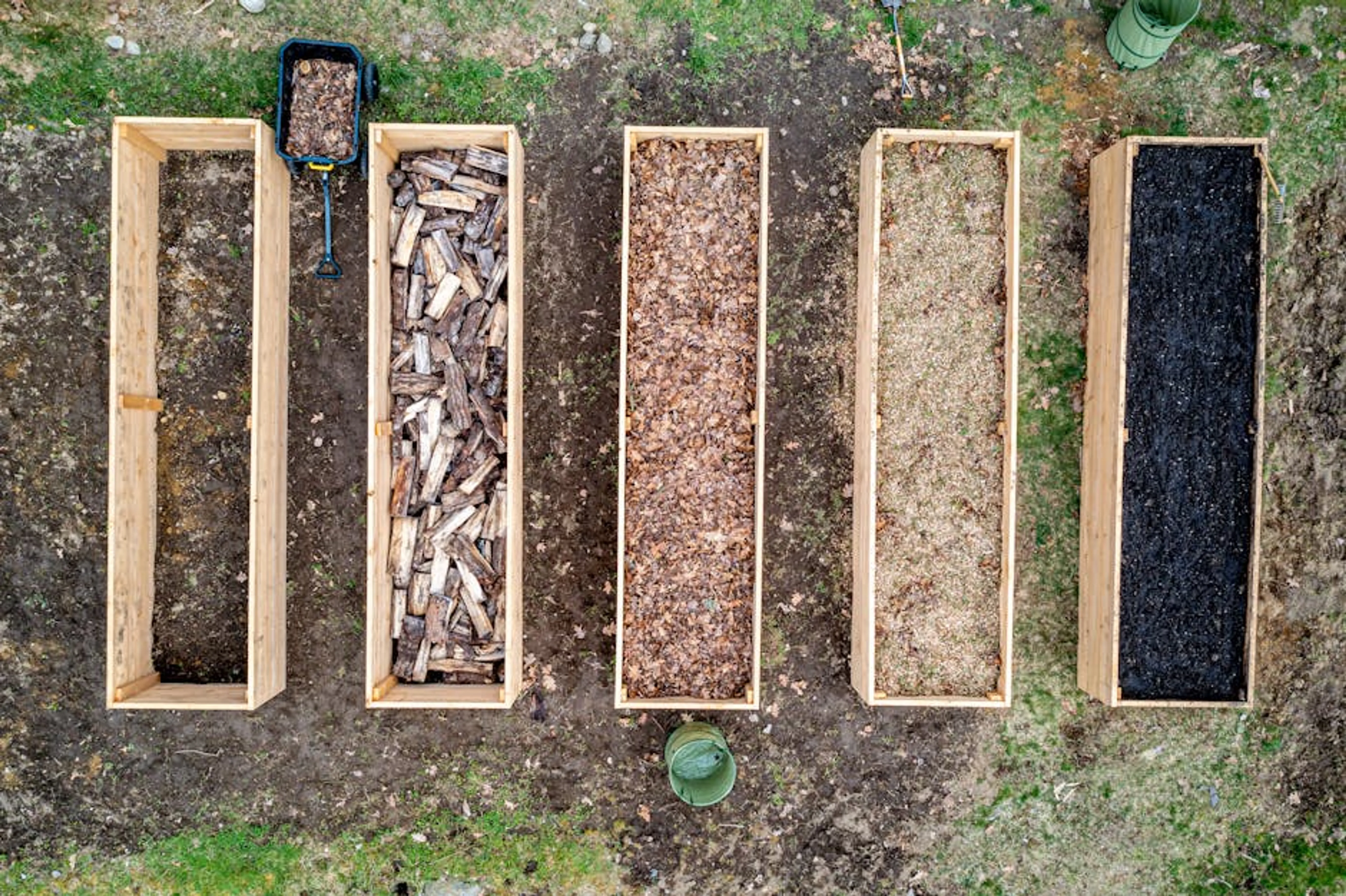
Gardeners generally choose between tilling or no-till methods. Tilling involves digging or using a mechanical tiller to turn over and loosen the soil. This can be effective for breaking up compacted soil and incorporating amendments. However, tilling can disrupt beneficial soil microorganisms and bring dormant weed seeds to the surface. The no-till method, on the other hand, focuses on disturbing the soil as little as possible. Instead, layers of organic matter (like compost, leaves, or wood chips) are added to the surface, which naturally improves soil structure over time. For beginners, starting with a lightly tilled or double-dug bed can be effective, transitioning to no-till practices in subsequent seasons.
Creating Raised Beds or In-Ground Plots
You have the option of planting directly in the ground or constructing raised beds. In-ground plots are simpler to start and often cost less, utilizing your existing soil. Raised beds offer several advantages: they warm up faster in spring, provide better drainage, allow for easier soil customization (filling with a high-quality soil mix), and can be more accessible for gardeners with mobility issues. They also tend to have fewer weed problems initially. For beginners, a raised bed can simplify soil management and provide a clear, defined gardening space.
Planting and Watering Techniques - Nurturing Your Plants
With your garden bed prepared, it's time to bring your plants to life. Proper planting and watering techniques are crucial for healthy growth and a successful harvest.
When to Plant
Timing is everything in gardening. Planting too early can expose tender plants to frost, while planting too late can shorten their growing season. Consult your local extension office or a reliable online resource to determine your area's average last frost date. Cool-season crops (like lettuce, radishes, peas) can be planted in early spring, while warm-season crops (tomatoes, peppers, beans, squash) should only be planted after all danger of frost has passed and the soil has warmed up. Many seed packets will also provide guidance based on your climate zone.
Planting Depth and Spacing
Always follow the instructions on seed packets or plant tags for planting depth and spacing. Planting too deep can prevent seeds from germinating or seedlings from emerging, while planting too shallow can expose roots. Proper spacing is equally important; overcrowding leads to competition for light, water, and nutrients, resulting in smaller, less productive plants. Use a ruler or measuring tape to ensure adequate space between plants and rows.
Watering Wisely
Consistent and adequate watering is vital. The best time to water is in the early morning, which allows plants to absorb moisture before the heat of the day and foliage to dry, reducing the risk of fungal diseases. Aim to water deeply and less frequently rather than shallowly and often. Deep watering encourages roots to grow deeper into the soil, making plants more resilient to dry spells. Methods like drip irrigation or soaker hoses deliver water directly to the root zone, minimizing waste and keeping foliage dry. If hand watering, aim for the base of the plant, not the leaves.
Mulching
Applying a layer of mulch around your plants offers numerous benefits. Mulch helps retain soil moisture, reducing the need for frequent watering. It suppresses weed growth, saving you effort in weeding. Furthermore, organic mulches like straw, shredded leaves, or wood chips break down over time, adding valuable organic matter to your soil. Apply a 2-4 inch layer of mulch once your plants are established, keeping it a few inches away from plant stems to prevent rot.

Essential Care and Troubleshooting - Keeping Your Garden Thriving
Even with the best initial setup, a thriving garden requires ongoing care and attention. Learning to identify and address common issues early can prevent minor problems from becoming major setbacks.
Weeding Strategies
Weeds compete with your vegetables for water, nutrients, and sunlight, so managing them is essential. The most effective strategy is consistent, early removal. Pull weeds when they are small and the soil is moist, as they come out more easily. Hand weeding is effective for small gardens. For larger areas, a hoe can be used carefully between rows. Mulching (as discussed previously) is also an excellent preventative measure against weeds. Avoid letting weeds go to seed, as this will perpetuate the problem for future seasons.
Pest and Disease Identification
Regularly inspect your plants for signs of pests or diseases. Look for chewed leaves, discolored spots, wilting, or the presence of insects. Common garden pests include aphids, slugs, cabbage worms, and squash bugs. Diseases might manifest as powdery mildew, blight, or leaf spot. Early identification is key to effective management. A quick online search with a description and image of the problem can often help you identify the culprit.
Organic Pest and Disease Control
For beginners, focusing on organic and preventative measures is a safe and effective approach. Many pests can be hand-picked off plants. Introducing beneficial insects, like ladybugs, can help control aphid populations. Neem oil or insecticidal soap sprays can be effective against soft-bodied insects. For fungal diseases, ensuring good air circulation, proper watering techniques, and removing affected leaves can help. Always research the specific issue and choose the least toxic solution first.
Basic Fertilization
While good soil preparation with compost provides a strong start, some heavy feeders like tomatoes or corn may benefit from additional fertilization during the growing season. Use organic fertilizers such as fish emulsion, compost tea, or granular organic vegetable food. Always follow package directions carefully, as over-fertilization can harm plants. A soil test every few years can provide detailed insights into your soil's nutrient levels and help you tailor your fertilization strategy.
Comparison Table: Beginner-Friendly Vegetables at a Glance
VegetableSunlight NeedsWatering NeedsEase of GrowthHarvest TimeLettuceFull Sun to Partial ShadeModerate, consistentHigh30-60 daysRadishesFull Sun to Partial ShadeModerate, consistentHigh25-35 daysBush BeansFull SunModerate to HighHigh50-60 daysZucchiniFull SunHigh, consistentMedium45-60 daysCherry TomatoesFull SunHigh, consistentMedium60-80 daysCarrotsFull SunModerate, consistentMedium60-75 days
FAQ Section
Q1: How much time does a vegetable garden really take?
The time commitment for a vegetable garden varies greatly depending on its size and your chosen methods. For a small, beginner-friendly garden (e.g., a few raised beds), you might spend 15-30 minutes a day on average during peak season, primarily for watering, weeding, and harvesting. Off-season, tasks like planning and soil preparation might take a few hours over a weekend. Consistency is more important than long, infrequent bursts of activity.
Q2: What if I only have a small space like a balcony?
Even a small space like a balcony can be transformed into a productive vegetable garden. Container gardening is an excellent solution. Choose large pots or grow bags, ensuring they have drainage holes. Many vegetables thrive in containers, including lettuce, radishes, bush beans, cherry tomatoes, peppers, and herbs. Vertical gardening systems can also maximize limited space.
Q3: Do I need special tools to start vegetable gardening?
You do not need an extensive collection of specialized tools to start. Essential tools include a good trowel for planting, hand pruners for harvesting, a watering can or hose, and gardening gloves. For larger beds, a digging fork or shovel and a rake might be useful for soil preparation. Many tools can be rented or borrowed, or you can start with the basics and expand your collection as your garden grows and your needs evolve.
Conclusion
Starting an easy vegetable garden is an achievable and incredibly rewarding endeavor. By systematically following these key steps, you can transform your gardening aspirations into a thriving reality. Remember to choose the right sunny spot, amend your soil with organic matter, select beginner-friendly vegetables, and practice consistent watering and care.
Embrace the journey of growing your own food. Each season brings new learning opportunities and the immense satisfaction of harvesting fresh, delicious produce directly from your backyard. Do not be afraid to experiment, observe your plants, and enjoy the process. Your successful vegetable garden awaits!
Content is for information only; Author/Site is not liable for decisions made; Reader is responsible for their own actions.
------end of article------