The Secret to Packing Light You Need to Know
Overpacking can quickly turn an exciting trip into a stressful ordeal. This comprehensive guide reveals the secret to packing light, offering practical strategies and a mindset shift to help you travel smarter, lighter, and with greater freedom.

Introduction
Do you dread the moment you have to wrestle with an overflowing suitcase, pay exorbitant baggage fees, or haul heavy luggage through crowded airports? The common challenges of overpacking—from back strain to lost time at baggage claim—can quickly overshadow the excitement of an upcoming trip. Imagine a travel experience where you move freely, reduce stress, save money, and have everything you need without the burden of excess. This guide will reveal the secret to achieving just that: mastering the art of packing light. By understanding the principles of efficient packing, you can transform your journeys into seamless, enjoyable adventures, enhancing your mobility and overall travel satisfaction.
The Philosophy of Packing Light
Understanding Your Travel Needs
Before you even consider what to put into your bag, it is crucial to understand the specifics of your upcoming journey. Identifying the purpose and duration of your trip is the foundational step. Are you embarking on a weekend getaway, a two-week business trip, or an extended backpacking adventure? Each scenario demands a different approach to your packing list.
Next, consider the climate and expected activities at your destination. Research the average temperatures, precipitation, and any specific weather events that might occur during your stay. Will you be hiking in the mountains, relaxing on a beach, attending formal events, or exploring urban landscapes? Your activities will dictate the type and quantity of clothing and gear you need.
Finally, assess your personal packing style and comfort level. Some travelers are comfortable with a minimalist approach, while others prefer to have a few extra comforts. The goal is not to deprive yourself but to pack intelligently, ensuring you have what is truly essential for your well-being and enjoyment without unnecessary bulk.
The 'Less is More' Mindset
The core of packing light lies in adopting a 'less is more' mindset. This involves a significant shift in focus from dwelling on 'what ifs'—the myriad of unlikely scenarios you might encounter—to concentrating on 'what's essential.' Instead of packing for every conceivable situation, prioritize items that serve multiple purposes or are indispensable for your planned activities.
Embracing this philosophy offers profound psychological benefits. Traveling with less reduces decision fatigue, as you have fewer choices about what to wear or use each day. It fosters a sense of freedom and agility, allowing you to navigate unfamiliar environments with ease. The liberation from heavy bags translates into reduced stress, increased spontaneity, and a greater ability to immerse yourself in the travel experience itself, rather than being preoccupied with your belongings.
Strategic Item Selection
Building a Versatile Wardrobe
One of the most effective strategies for packing light is to build a versatile wardrobe. The power of neutral colors (black, white, grey, navy, beige) cannot be overstated. These hues form a cohesive base that allows you to mix and match pieces effortlessly, creating numerous outfits from a limited number of items. Incorporate one or two accent colors through accessories or a single statement piece to add variety without increasing bulk.
Prioritize multi-functional clothing items. Consider convertible pants that zip off into shorts, scarves that can serve as a head covering, shawl, or even a makeshift bag, or a lightweight jacket that doubles as a rain shell. Selecting fabrics that are wrinkle-resistant, quick-drying, and lightweight will also significantly reduce your packing volume and laundry needs on the road.
Mastering layering techniques is essential for adapting to various weather conditions without packing an outfit for every temperature. Start with a moisture-wicking base layer, add an insulating mid-layer (like a fleece or lightweight sweater), and top it with a waterproof/windproof outer shell. This system allows you to adjust your comfort level throughout the day as temperatures fluctuate.
Essential Toiletries and Personal Items
When it comes to toiletries, less is definitely more. Instead of packing full-sized bottles, decant your essential liquids—shampoo, conditioner, body wash, lotion—into travel-sized containers (typically 3.4 ounces or 100ml) that comply with TSA regulations for carry-on luggage. Many travel-sized kits are available, or you can purchase reusable silicone bottles.
Prioritize multi-use products to further minimize your load. For example, a single bar of soap can often serve as body wash, face wash, and even shampoo. Tinted moisturizer with SPF can replace separate foundation, sunscreen, and moisturizer. Look for products that pull double or triple duty to save space and weight.
Consider solid alternatives to liquids whenever possible. Shampoo bars, conditioner bars, solid toothpaste tabs, and deodorant sticks eliminate the risk of leaks and do not count towards your liquid allowance. These options are not only space-efficient but also environmentally friendly, reducing plastic waste.
The Art of Efficient Packing
Choosing the Right Luggage
The choice of luggage is fundamental to successful light packing. Backpacks and suitcases each offer distinct advantages and disadvantages for light travel. Backpacks typically provide greater mobility, making them ideal for navigating uneven terrain, public transport, or multiple transfers. They often distribute weight more evenly on your back, which can be more comfortable for extended periods. However, they may offer less protection for delicate items and can be cumbersome to access frequently.
Suitcases, especially those with spinner wheels, offer ease of movement on smooth surfaces and better protection for contents. They are generally easier to organize with internal compartments. For light packers, the key is to choose a lightweight, durable carry-on-sized suitcase that maximizes internal space while adhering to airline dimensions.
The ultimate light packing strategy often revolves around carry-on only travel. This approach eliminates checked baggage fees, saves time at baggage claim, and significantly reduces the risk of lost luggage. To achieve this, you must meticulously adhere to airline size and weight restrictions for carry-on bags, often requiring a smaller main bag and a personal item.
Packing Techniques That Maximize Space
Once you have your carefully selected items, the way you arrange them in your luggage makes a significant difference. The debate between rolling versus folding often depends on the type of garment and your luggage. Rolling clothes tightly can save space, minimize wrinkles for certain fabrics (like t-shirts and jeans), and make it easier to see all your items. Folding, on the other hand, might be better for more structured items like blazers or dress shirts to maintain their shape.
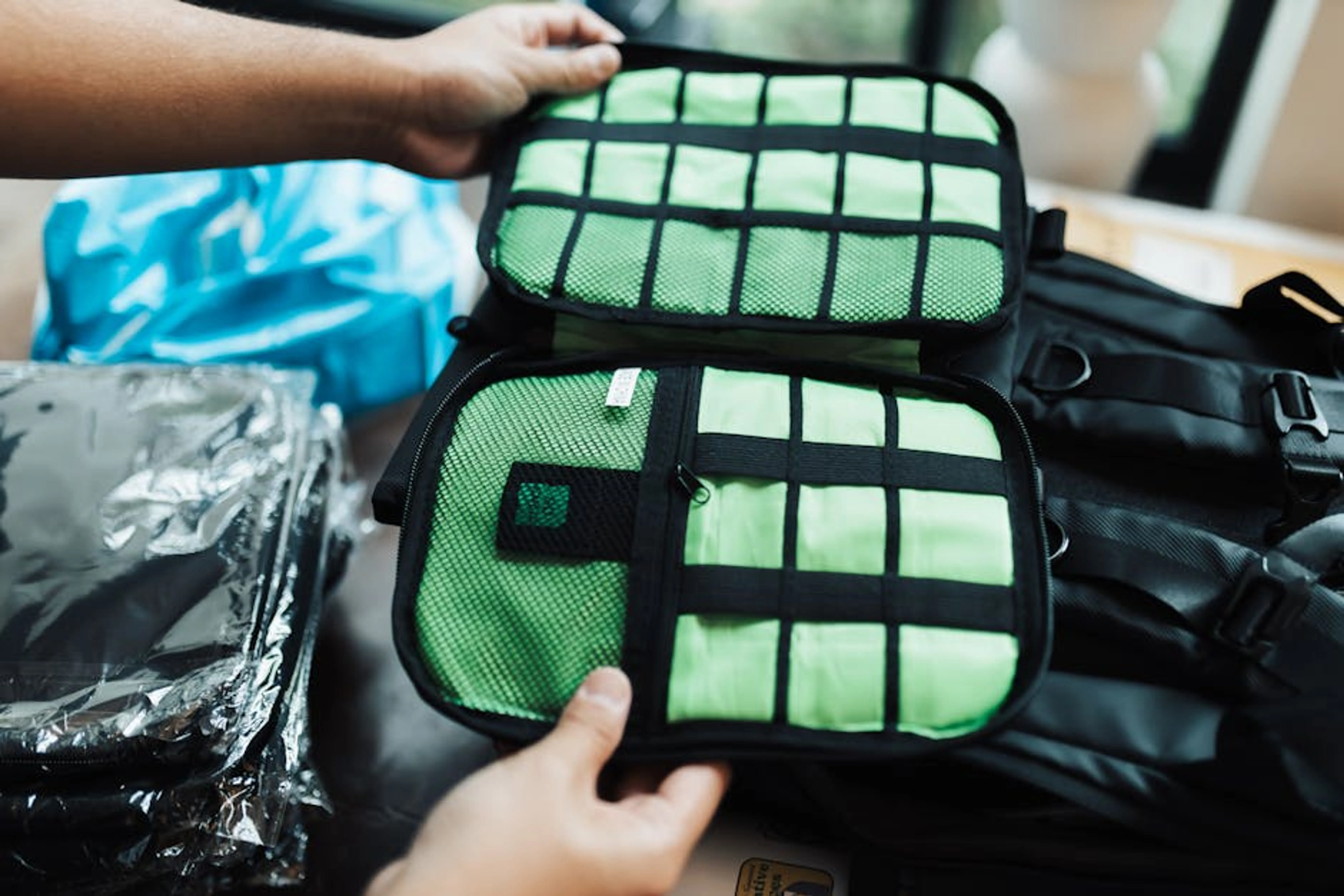
Utilizing packing cubes is a game-changer for organization and compression. These zippered fabric containers allow you to compartmentalize your clothing, making it easier to find specific items without rummaging through your entire bag. They also offer a degree of compression, helping to squeeze out air and create more space. You can organize by outfit, item type, or even by day of travel.
The 'wear your bulkiest items' strategy is simple yet highly effective. Wear your heaviest shoes, thickest jacket, and bulkiest sweater on the plane. This removes these items from your luggage, freeing up valuable space and weight. You can always shed layers once you are on board or at your destination.
Smart Strategies for Specific Travel Types
Business Travel Essentials
Balancing professional needs with minimal luggage is critical for business travelers. Focus on wrinkle-resistant fabrics for shirts, trousers, and dresses that can be worn multiple times or easily refreshed. Pack one versatile suit or blazer that can be paired with different shirts or blouses. Quick-change outfits are essential; for example, a dress that transitions from a daytime meeting to an evening dinner with a change of accessories.
Consider bringing travel-sized laundry detergent sheets for quick sink washes of essentials like socks and underwear. A compact garment folder can help keep professional attire crisp. Remember to pack essential tech items and their chargers efficiently, perhaps in a dedicated tech organizer.
Adventure and Outdoor Excursions
For adventure and outdoor excursions, durability, quick-drying properties, and performance are paramount. Invest in lightweight, moisture-wicking base layers, durable hiking pants, and a waterproof/breathable outer shell. Choose quick-drying fabrics to reduce the number of items you need to pack and enable easier washing on the go.
Essential safety and navigation tools, such as a compact first-aid kit, a headlamp, a multi-tool, and a reliable navigation device (or fully charged smartphone with offline maps), should always be included. Prioritize multi-functional gear, like a bandana that can serve as a head covering, sweatband, or pre-filter for water. Pack sturdy, broken-in hiking boots and perhaps a pair of lightweight camp shoes or sandals.
Leisure and Vacation Packing
Leisure and vacation packing prioritizes comfort and style for relaxation and exploration. Focus on comfortable walking shoes, versatile casual wear that can be dressed up or down, and swimwear if applicable. Remember to adapt your wardrobe to different social settings you anticipate, such as casual sightseeing, dining out, or attending local events.
Again, mix-and-match pieces are your best friend. A few key accessories, like a statement necklace, a stylish scarf, or a pair of sunglasses, can transform a simple outfit. Don't forget items for relaxation, such as a good book or e-reader, and any personal comfort items that enhance your downtime without adding significant bulk.
Comparison of Packing Methods and Gear
Data Summary: Carry-on vs. Checked Luggage Benefits
Understanding the tangible benefits of a carry-on-only approach versus checking luggage can help solidify your commitment to packing light.
FeatureCarry-on LuggageChecked LuggageTime SavingsSignificantly less (no baggage drop-off or waiting at carousel)More (requires baggage drop-off, waiting at carousel)CostOften free (included in ticket price)Can incur significant fees, especially with budget airlinesSecurity RisksLower risk of loss or damageHigher risk of loss, damage, or theftMobilityHigh (easy to carry, navigate public transport)Lower (heavy, cumbersome in crowds or uneven terrain)
Essential Packing Gear Checklist
To facilitate your light packing journey, consider investing in these essential items:
Lightweight Backpack or Carry-on Suitcase: Choose a durable option that meets airline carry-on dimensions.
Packing Cubes: For organization and compression of clothing.
Travel-sized Toiletries/Decanting Bottles: To comply with liquid restrictions.
Solid Toiletries: Shampoo bars, soap bars, toothpaste tabs.
Universal Travel Adapter: For international trips.
Portable Charger/Power Bank: To keep your devices charged on the go.
Microfiber Travel Towel: Quick-drying and compact for versatile use.
Reusable Water Bottle: Stay hydrated and reduce plastic waste.
Digital Luggage Scale: To avoid overweight baggage fees.
Small Laundry Bag: To separate dirty clothes.
FAQ Section
How do I handle unexpected needs or forgetfulness when packing light?
When packing light, you accept a degree of flexibility. For unexpected needs or forgotten items, plan to purchase them at your destination. Most common items like toiletries, basic clothing, or over-the-counter medications are readily available worldwide. This approach prevents overpacking for 'what ifs' and encourages reliance on local resources, often leading to unique discoveries.
What are the best ways to pack shoes without taking up too much space?
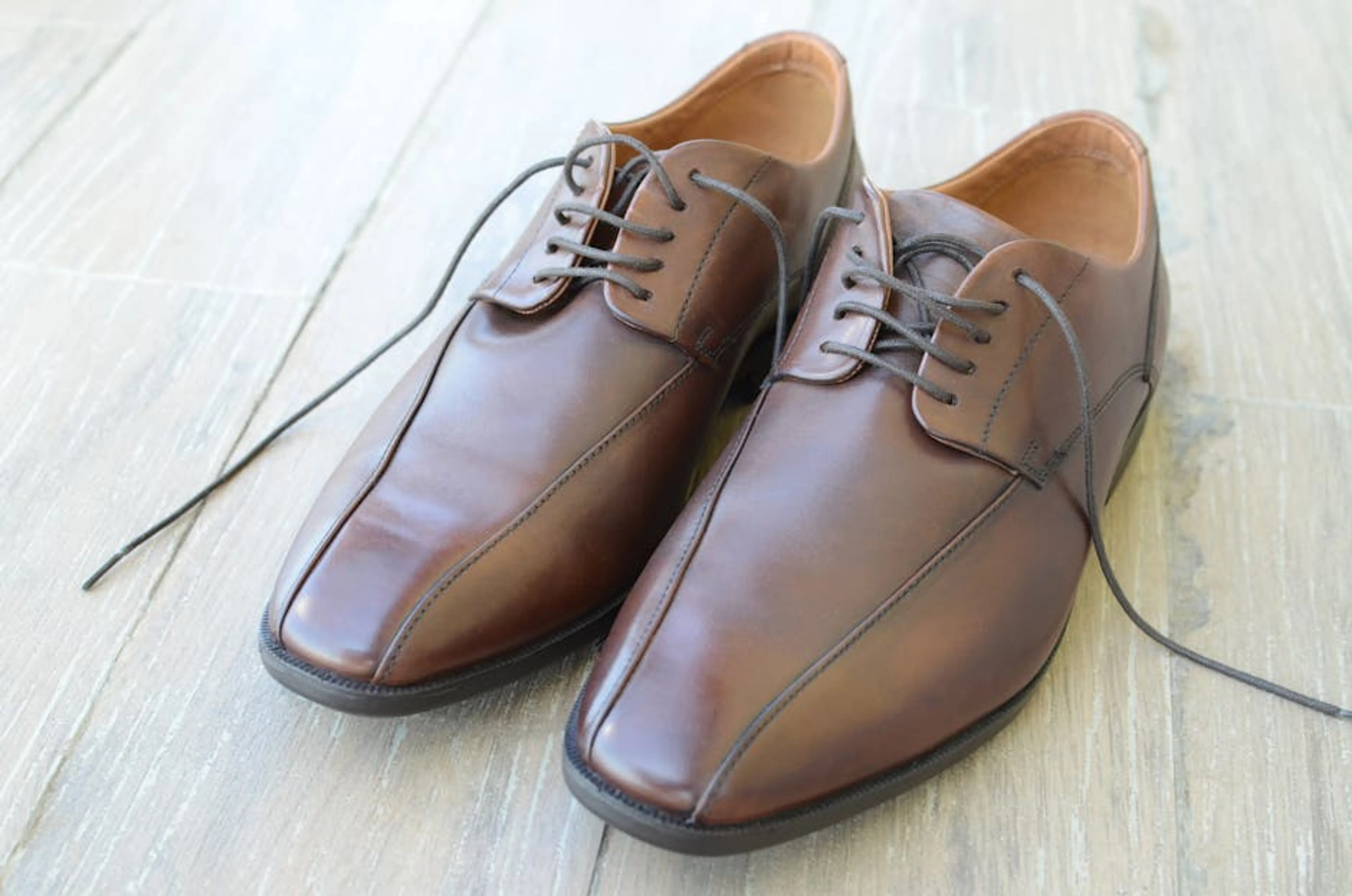
Shoes are often bulky. The best strategy is to limit yourself to two or three versatile pairs: one you wear on the plane (your bulkiest pair), and one or two additional pairs for specific activities (e.g., walking shoes, sandals, or dress shoes). Pack smaller items like socks or underwear inside the shoes to utilize empty space. Place shoes in a shoe bag or plastic bag to keep dirty soles from touching clean clothes.
Is it always possible to pack light, regardless of the trip duration or destination?
While challenging, packing light is almost always possible, even for longer trips or diverse destinations. The key is to focus on multi-functional, versatile items and embrace laundry on the go. For extended trips, consider packing enough for 7-10 days and planning to do laundry every week. For extreme climates, layering and specialized technical gear that is lightweight and efficient become even more critical. The philosophy adapts; the core principle remains.
Conclusion
The secret to packing light is not about deprivation; it is about intentionality, efficiency, and a mindful approach to travel. By embracing the 'less is more' mindset, strategically selecting versatile items, and mastering efficient packing techniques, you unlock a world of travel benefits. You reduce stress, enhance your mobility, save money on baggage fees, and gain the freedom to fully immerse yourself in your journey.
Adopting this habit transforms not just your packing routine but your entire travel philosophy. It encourages you to be more adaptable, resourceful, and present. Begin your next adventure by applying these principles, and you will quickly discover the profound satisfaction of traveling light, experiencing the world with unparalleled ease and enjoyment.
Content is for information only; Author/Site is not liable for decisions made; Reader is responsible for their own actions.
------end of article------