Toddler Activities: Your Guide to Engaging Play
Unlock the power of play with this essential guide to toddler activities designed to support every facet of your child's growth. From sensory exploration to imaginative adventures, find practical, age-appropriate ideas to keep your toddler engaged and thriving.

Introduction
Are you seeking effective ways to engage your toddler, foster their development, and ensure their playtime is both fun and beneficial? Navigating the world of toddler activities can feel overwhelming, with countless options and varying advice. This comprehensive guide provides you with a clear, expert-backed roadmap to understanding the critical role of play in your toddler's growth and offers practical, age-appropriate activity ideas that you can implement today. You will learn how to select the best activities to support cognitive, social-emotional, and physical milestones, ensuring every moment of play contributes meaningfully to your child's early learning journey.
Hook: The Importance of Play in Toddler Development
Play is not merely a pastime for toddlers; it is the cornerstone of their development. Through play, toddlers explore their environment, experiment with new concepts, develop essential motor skills, and begin to understand social cues and emotions. Engaging in diverse play experiences helps build crucial neural connections, laying the foundation for future learning and problem-solving abilities. Without sufficient stimulating play, a toddler's developmental progress can be hindered, impacting their language, social, and motor skill acquisition. Understanding this fundamental truth empowers you to create rich play opportunities that propel your child forward.
E-E-A-T Establishment: Why You Can Trust This Guide
This guide is meticulously crafted by experienced early childhood educators and developmental specialists. The recommendations are grounded in established child development theories and best practices, ensuring that the information provided is accurate, practical, and beneficial for your toddler's growth. You can trust that the activities suggested are not only engaging but also developmentally appropriate and designed to support a holistic approach to learning through play.
Core Section 1: Understanding Toddler Development Through Play
Toddlerhood is a period of rapid and profound development. From their first steps to their first sentences, toddlers are constantly absorbing information and refining their abilities. Play serves as the primary vehicle for this learning, allowing them to practice new skills in a low-pressure, enjoyable environment. Recognizing how play aligns with specific developmental milestones helps you choose activities that truly benefit your child.
Subheading 1.1: Cognitive Milestones and Play
Cognitive development in toddlers involves their ability to think, reason, solve problems, and understand the world around them. Through play, toddlers learn about cause and effect (e.g., pushing a button makes a sound), object permanence (knowing an object still exists even if hidden), and basic concepts like shapes, colors, and numbers. Activities such as sorting toys, matching games, and simple puzzles directly engage these cognitive functions, encouraging critical thinking and memory development.
Subheading 1.2: Social-Emotional Growth and Interactive Play
Interactive play is vital for a toddler's social-emotional development. It teaches them about sharing, taking turns, empathy, and managing emotions. Playing alongside or with other children, or even with adults, helps toddlers understand social boundaries, express their feelings, and develop cooperation skills. Pretend play, in particular, allows them to explore different roles and scenarios, fostering emotional intelligence and imaginative thinking.
Subheading 1.3: Physical Development and Active Play
Physical development encompasses both fine motor skills (small muscle movements like grasping and pinching) and gross motor skills (large muscle movements like running and jumping). Active play is indispensable for strengthening muscles, improving coordination, balance, and spatial awareness. Activities like climbing, throwing balls, stacking blocks, and drawing contribute significantly to a toddler's physical prowess, preparing them for more complex movements and tasks.

Core Section 2: Age-Appropriate Activity Categories
Choosing activities that align with your toddler's age and developmental stage is crucial for engagement and optimal learning. What captivates a 1-year-old might not challenge a 3-year-old, and vice-versa. This section breaks down activity categories by typical age ranges, helping you tailor playtime effectively.
Subheading 2.1: Sensory Play (Ages 1-2)
Sensory play involves activities that stimulate a toddler's senses: touch, sight, smell, taste, and sound. For toddlers aged 1-2, this type of play is foundational for brain development, helping them make sense of their world. Simple activities include playing with water (under supervision), exploring different textures like sand or playdough, listening to music, or experimenting with safe, edible sensory bins (e.g., cooked pasta, cereal). These experiences enhance sensory processing and fine motor skills.
Subheading 2.2: Creative and Art Activities (Ages 2-3)
As toddlers approach ages 2-3, their fine motor control and imaginative capacities expand, making creative and art activities highly engaging. This includes finger painting, scribbling with crayons or washable markers, gluing safe materials onto paper, and simple crafting. These activities not only foster creativity and self-expression but also improve hand-eye coordination and provide opportunities to learn about colors and shapes.
Subheading 2.3: Building and Constructive Play (Ages 2-3)
Around ages 2-3, toddlers begin to understand how objects fit together and can engage in more complex building tasks. Constructive play, using blocks, LEGO Duplos, or magnetic tiles, helps develop spatial reasoning, problem-solving skills, and fine motor control. They learn about balance, gravity, and basic engineering concepts as they design and build structures. This type of play also encourages persistence and focus.
Subheading 2.4: Pretend Play and Imagination (Ages 2-3)
Pretend play blossoms between ages 2 and 3, becoming a powerful tool for social-emotional and language development. Toddlers enjoy imitating adults, playing house, caring for dolls, or pretending to be animals. Provide props like dress-up clothes, toy kitchen sets, or animal figures to spark their imagination. Pretend play allows them to process experiences, experiment with social roles, and develop narrative skills.
Core Section 3: Activity Ideas by Developmental Area
Targeting specific developmental areas with tailored activities can significantly enhance a toddler's learning. This section provides concrete examples of activities categorized by the skills they primarily develop.
Subheading 3.1: Activities for Fine Motor Skills
Pincer Grasp Practice: Picking up small, safe items (e.g., O-shaped cereal, small pom-poms) with thumb and forefinger and dropping them into a container.
Playdough Fun: Squishing, rolling, pinching, and cutting playdough with child-safe scissors.
Threading Large Beads: Using large beads and chunky string to practice hand-eye coordination and manipulation.
Sticker Peeling: Peeling and sticking large stickers onto paper.
Subheading 3.2: Activities for Gross Motor Skills
Outdoor Exploration: Running, jumping, climbing on safe playground equipment, and kicking a ball.
Dance Parties: Moving freely to music, encouraging various movements like swaying, spinning, and stomping.
Tunnel Crawling: Setting up a play tunnel for crawling through, enhancing coordination and spatial awareness.
Bubble Chasing: Running and jumping to pop bubbles, promoting agility and balance.
Subheading 3.3: Activities for Language Development
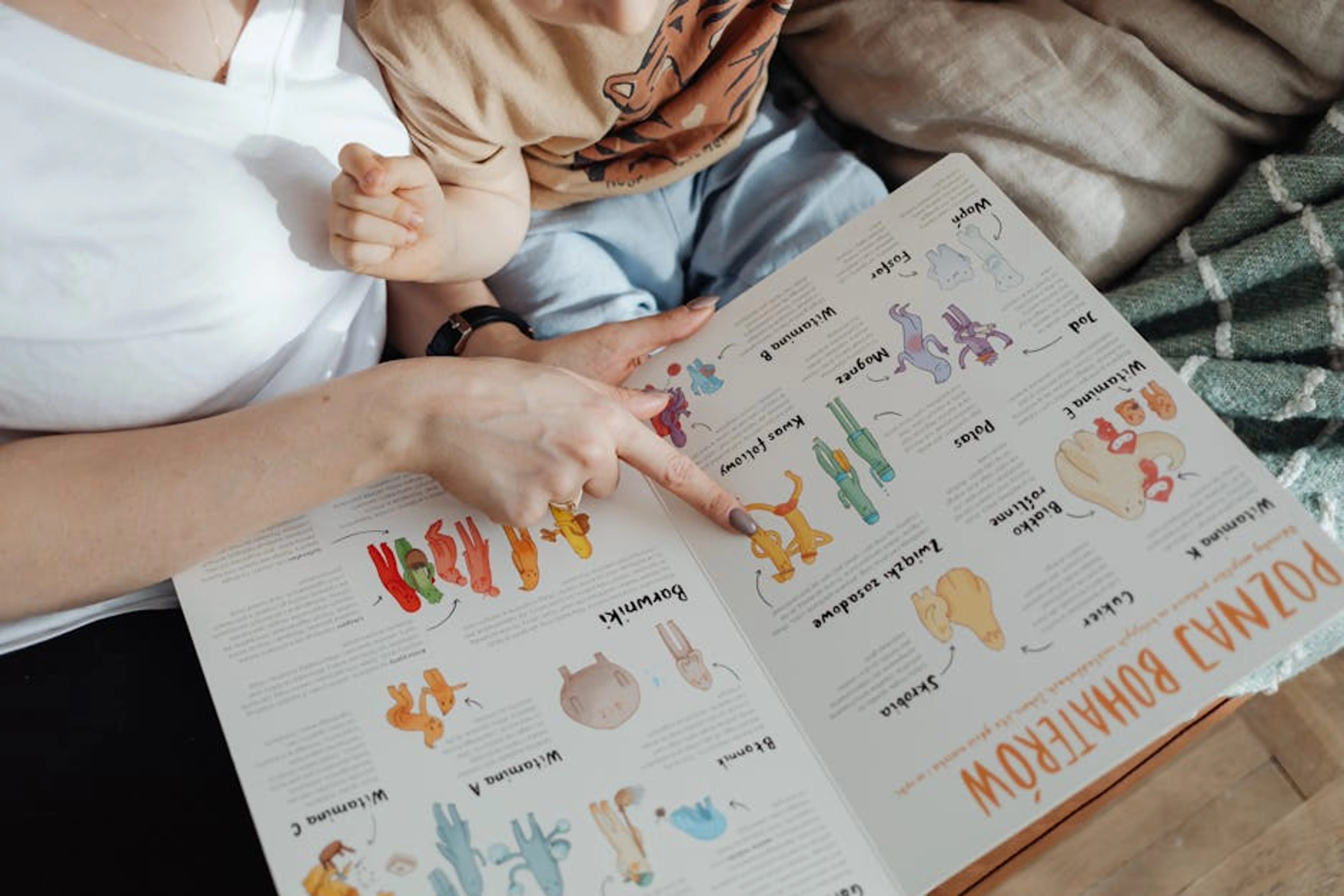
Reading Aloud: Regularly reading picture books, pointing to objects, and asking simple questions about the story.
Singing Songs and Rhymes: Engaging in nursery rhymes and action songs that encourage repetition and vocabulary acquisition.
Descriptive Play: Narrating your actions and your toddler's actions during play, using rich vocabulary (e.g., "You're building a TALL tower with those BRIGHT red blocks!").
Question and Answer Games: Asking simple "what's that?" or "where is...?" questions and encouraging verbal responses.
Subheading 3.4: Activities for Problem-Solving Skills
Shape Sorters: Matching shapes to corresponding holes, teaching spatial reasoning and categorization.
Simple Puzzles: Beginning with knob puzzles and progressing to multi-piece jigsaw puzzles.
Nesting Cups/Stacking Rings: Understanding size relationships and order.
Cause and Effect Toys: Toys that require an action to produce a result (e.g., pushing a button for music, turning a crank for movement).
Core Section 4: Creating a Playful and Safe Environment
A well-designed play environment is as crucial as the activities themselves. It should be a space that invites exploration, encourages independence, and, most importantly, ensures safety. Thoughtful organization and material selection can significantly enhance your toddler's play experience.
Subheading 4.1: Setting Up a Dedicated Play Space
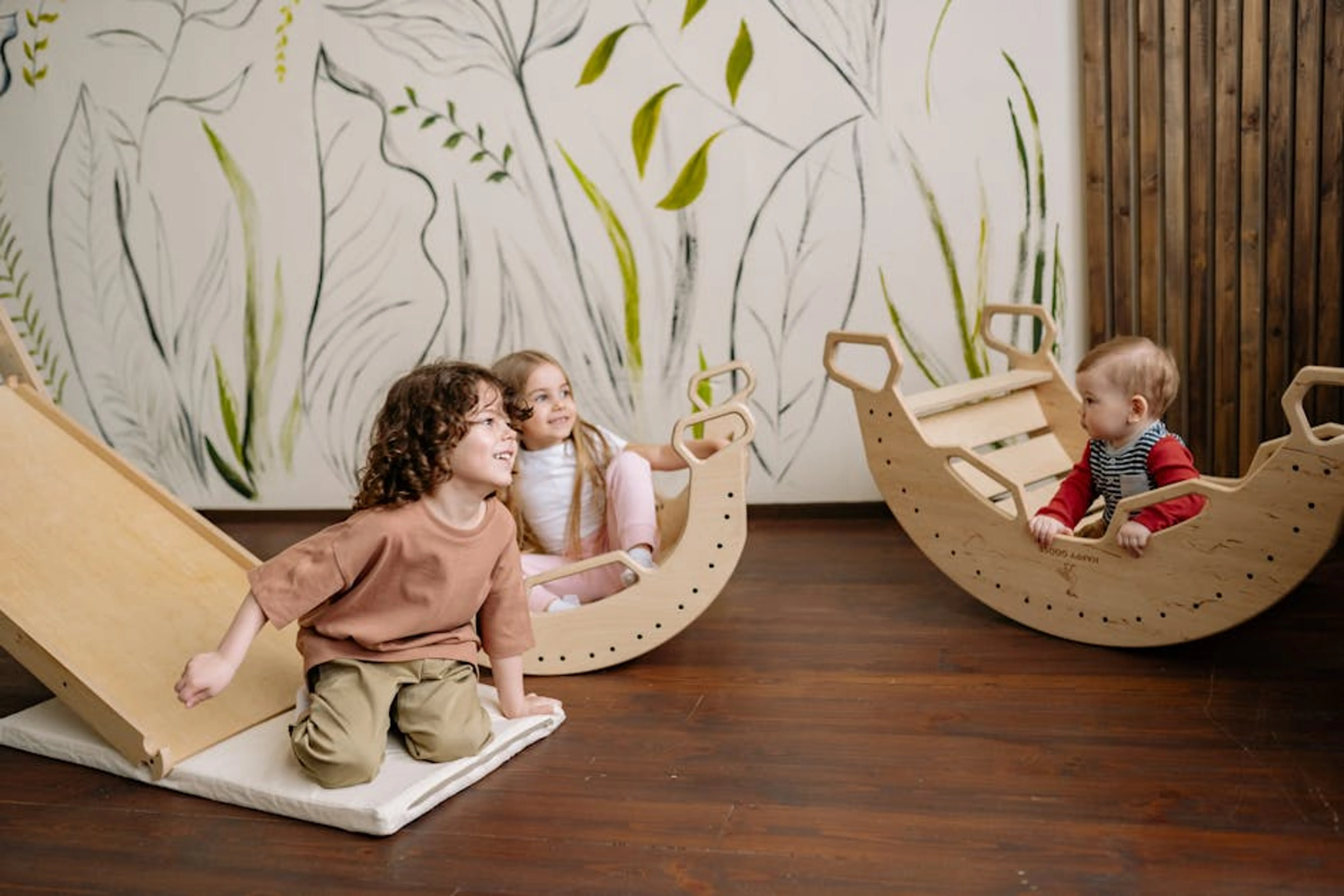
Designate a specific area in your home, whether a corner of a room or an entire playroom, as your toddler's play space. Keep it organized with accessible storage for toys, allowing your child to choose and put away items independently. Rotate toys regularly to maintain novelty and prevent overstimulation. Ensure the space is free from hazards and has soft flooring for active play.
Subheading 4.2: Choosing Safe and Stimulating Materials
When selecting toys and materials, prioritize safety. Look for non-toxic, durable items appropriate for your toddler's age, free from small parts that could pose a choking hazard. Opt for open-ended toys like blocks, scarves, or dolls that encourage imaginative play over single-purpose electronic toys. Natural materials like wood, fabric, and water can also offer rich sensory experiences. Regularly inspect toys for damage or wear.
Subheading 4.3: The Role of Adult Involvement in Play
While independent play is important, adult involvement enriches a toddler's play experience. You don't need to direct every moment; instead, observe, offer encouragement, and join in when invited. Engage in parallel play (playing alongside them) or follow their lead in pretend scenarios. Your presence provides security, models social interaction, and offers opportunities for language development through conversation and shared attention.
Comparison Table: Popular Toddler Activities and Their Benefits
Activity TypePrimary Developmental FocusRecommended Age RangeMaterials NeededSensory Bin (e.g., rice, pasta)Sensory exploration, fine motor, cognitive12-36 monthsBin, dry goods, scoops, small toysBuilding BlocksFine motor, gross motor, spatial reasoning, problem-solving12-36 monthsLarge wooden or plastic blocksPretend Play (e.g., kitchen, dolls)Social-emotional, language, imagination24-36 monthsPlay kitchen, dolls, dress-up clothesFinger PaintingFine motor, creativity, sensory exploration18-36 monthsWashable paints, large paper, smockPuzzles (knob or simple jigsaw)Cognitive, fine motor, problem-solving18-36 monthsAge-appropriate puzzlesOutdoor Playground PlayGross motor, balance, social (if with others)12-36 monthsPlayground equipment (swings, slides)
FAQ Section
Question 1: How much structured vs. unstructured play should my toddler have?
Toddlers benefit most from a balance of both. Unstructured play, where they lead the activity, is crucial for fostering creativity, independence, and problem-solving. It allows them to explore their interests freely. Structured play, like a planned art project or a guided game, can introduce new skills and concepts. Aim for the majority of play to be child-initiated and unstructured, with shorter periods of structured activities integrated throughout the day.
Question 2: What are signs that a toddler is not getting enough stimulating play?
Signs that a toddler might not be getting enough stimulating play can include excessive screen time, frequent boredom or restlessness, difficulty engaging in independent play, limited vocabulary compared to peers, or delays in motor skill development. They might also exhibit increased frustration or difficulty with social interactions. A lack of diverse play experiences can hinder their ability to explore, learn, and develop crucial skills.
Question 3: How can I adapt activities for toddlers with different developmental paces?
Adapt activities by focusing on the process, not just the outcome. For toddlers needing more support, simplify tasks, offer more hands-on guidance, and break activities into smaller steps. For those who are more advanced, introduce greater complexity, offer open-ended challenges, or provide materials that allow for more intricate creations. Always observe your toddler's interest and adjust accordingly, celebrating their individual progress at every stage.
Conclusion
Summary of Key Takeaways
Engaging toddlers in developmentally appropriate play is fundamental to their holistic growth. You've learned how different types of play contribute to cognitive, social-emotional, and physical milestones. By understanding age-appropriate categories like sensory, creative, building, and pretend play, you can confidently select activities that foster specific skills, from fine motor coordination to problem-solving. Remember the importance of creating a safe, stimulating environment and your role in supporting, rather than directing, their playful explorations.
Encouragement for Continued Engaging Play
Embrace the journey of discovery with your toddler. Every giggle, every new skill learned, and every imaginative adventure is a testament to the power of play. Continue to observe your child's interests, adapt activities as they grow, and most importantly, enjoy these precious moments of shared exploration. Your commitment to engaging play is one of the greatest gifts you can give your developing child, setting a strong foundation for a lifetime of learning and joy.
Content is for information only; Author/Site is not liable for decisions made; Reader is responsible for their own actions.
------end of article------