Your Underrated Fitness Secret for Beginners
Many beginners focus on lifting heavy or doing more reps, overlooking the foundational secret to sustainable fitness: mastering proper exercise form. This guide reveals why technique is paramount for progress and safety.

Introduction
Are you a beginner feeling overwhelmed by complex workout routines, chasing quick results, or constantly battling minor aches after exercising? Many individuals starting their fitness journey fall into the trap of prioritizing quantity over quality, leading to frustration, slow progress, and even injury. What if there was a simple, yet profoundly effective, secret that could transform your workouts, safeguard your body, and accelerate your long-term fitness gains? This article will reveal that often-overlooked secret and guide you on how to leverage it for a successful and sustainable fitness journey.
You are about to discover the most underrated fitness secret for beginners: mastering proper form and technique. This isn't just about avoiding injury; it's about unlocking your body's full potential, ensuring every repetition counts, and building a foundation that will serve you throughout your entire fitness life.

The Underrated Fitness Secret: Mastering Proper Form and Technique
In the vast landscape of fitness advice, countless programs emphasize intensity, volume, or the latest trendy exercise. However, a fundamental principle often gets sidelined, particularly for beginners: the diligent practice and mastery of proper exercise form and technique. This is not merely a suggestion; it is the cornerstone upon which all effective and safe training is built. While it may not be as glamorous as lifting heavy weights or performing advanced movements, its impact on your long-term success is unparalleled.
Proper form refers to the biomechanically correct way to execute an exercise, ensuring that the intended muscles are engaged, joints are protected, and movement patterns are efficient. It involves understanding the precise alignment of your body, the range of motion, and the controlled execution of each phase of an exercise. For beginners, the temptation to add more weight or rush through repetitions is strong, driven by a desire for visible progress. However, neglecting form in favor of quantity is a critical misstep that can lead to inefficient workouts, plateaus, and, most significantly, a higher risk of injury. The secret lies in slowing down, paying meticulous attention to how your body moves, and building a solid foundation of movement proficiency before attempting to increase the load or complexity.
Key Takeaway: Prioritizing proper form over weight or speed is the most critical decision a beginner can make for sustainable fitness progress and injury prevention.
How Mastering Proper Form Works: The Science and Mechanics
Understanding the science behind proper form illuminates why it is so crucial. Your body is an intricate system of levers, pulleys, and contractile tissues. When you perform an exercise with correct technique, you are optimizing this system for efficiency, safety, and effectiveness.
Optimizing Muscle Activation
Proper form ensures that the target muscles are primarily responsible for the movement. When your body is correctly aligned and you move through the intended range of motion, the specific muscles designed for that action are optimally engaged. Conversely, poor form often leads to compensatory movements where other, unintended muscles or joints take over. This not only reduces the effectiveness of the exercise for the target muscle group but also places undue stress on the compensating areas, which are not designed to handle that load.
Protecting Joints and Ligaments
Your joints (like knees, hips, shoulders, and spine) are designed to move within specific planes and ranges of motion. Proper form respects these natural limitations, keeping joints aligned and distributing forces evenly across the joint structure. Incorrect form, however, can force joints into awkward or unstable positions, leading to excessive wear and tear on cartilage, strain on ligaments, and potential acute injuries. For instance, a squat performed with knees caving inward or a rounded lower back significantly increases the risk of knee and spinal issues.
Enhancing Neuromuscular Connection
Every movement you make is initiated by your brain sending signals to your muscles. This connection, known as the neuromuscular pathway, becomes stronger and more efficient with consistent, correct practice. When you focus on proper form, you are actively teaching your brain to recruit the right muscles at the right time. This 'mind-muscle connection' allows for greater control, more powerful contractions, and ultimately, better results from your workouts. For beginners, developing this connection early is fundamental for long-term motor skill development and performance.
Preventing Injury and Chronic Pain
Perhaps the most compelling scientific reason for mastering form is injury prevention. Many common fitness-related injuries, from muscle strains to herniated discs, can be traced back to improper technique. By consistently performing exercises with correct form, you reduce the risk of acute injuries during a workout and mitigate the development of chronic pain conditions that arise from repetitive stress on vulnerable areas. This allows you to train consistently over months and years, which is the true driver of lasting fitness.
Implementing Mastering Proper Form into Your Beginner Routine
Adopting a form-first approach requires conscious effort and patience, but the investment pays dividends. Here’s how you can effectively integrate this secret into your beginner fitness routine:
Start with Bodyweight or Very Light Resistance
Before adding external load, become proficient with the movement pattern using just your body weight or minimal resistance. For example, master the bodyweight squat before adding a barbell. This allows you to focus solely on mechanics without the added challenge of heavy weight, making it easier to identify and correct errors.
Utilize Mirrors and Video Feedback
Visual feedback is an invaluable tool. Perform exercises in front of a mirror to observe your body alignment, joint positions, and overall movement. Even better, record yourself performing exercises from different angles. Watching a video of your own form can highlight subtle issues you might not feel or see in real-time. Compare your movements to reliable instructional videos from certified professionals.
Seek Professional Guidance
Consider investing in a few sessions with a certified personal trainer. A good trainer can provide immediate, personalized feedback on your form, identify weaknesses, and teach you modifications. Their experienced eye can spot errors you might miss and offer cues to help you correct them effectively. This initial investment can save you from months of ineffective training or potential injury.
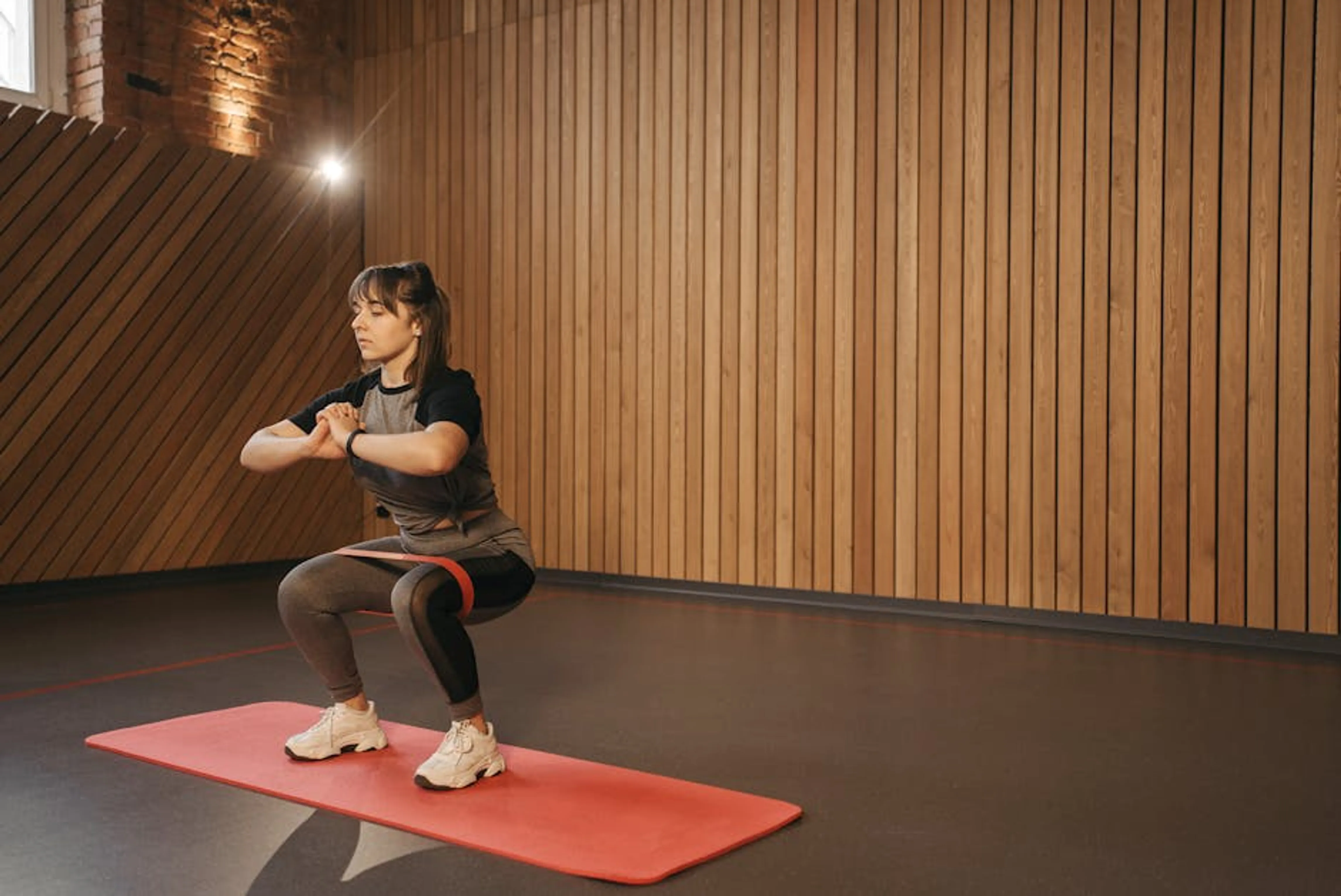
Focus on Mind-Muscle Connection
During each repetition, consciously think about the muscle you are trying to work. For example, during a bicep curl, focus on feeling your bicep contract and extend, rather than just moving the weight from point A to point B. This mental engagement enhances neuromuscular efficiency and ensures the target muscle is doing the work.
Slow Down and Control the Movement
Avoid rushing through repetitions. Execute each phase of an exercise – the eccentric (lowering), isometric (hold), and concentric (lifting) – with deliberate control. A slower tempo allows you to feel the muscle engagement more clearly and gives you time to make micro-adjustments to your form. For example, take 2-3 seconds to lower during a push-up or squat.
Prioritize Mobility and Flexibility
Sometimes, poor form is a result of limited mobility in certain joints or tight muscles. Incorporate dynamic warm-ups before your workout and static stretches or foam rolling during your cool-down. Addressing mobility restrictions can significantly improve your ability to achieve proper form in various exercises.
Benefits Beyond the Obvious: Why Mastering Proper Form is Crucial
The advantages of dedicating yourself to proper form extend far beyond simply avoiding injury. This fundamental practice lays the groundwork for a lifetime of effective and rewarding physical activity.
Accelerated Long-Term Progress
While it might feel counterintuitive to lift lighter initially, mastering form allows you to build a robust foundation. Once your movement patterns are efficient and safe, you can progressively increase resistance, volume, or intensity with confidence. This leads to consistent gains in strength, muscle mass, and endurance without hitting plateaus due to faulty mechanics. You'll be able to perform challenging exercises correctly, translating to better overall results over time.
Superior Muscle Development and Definition
When you use proper form, you ensure that the intended muscle groups are truly working. This maximal muscle activation leads to more effective stimulation, which is crucial for muscle growth (hypertrophy) and strength adaptations. You'll achieve better results with less wasted effort, leading to a more sculpted and functional physique. You'll also minimize the involvement of secondary, synergistic muscles that might otherwise take over, ensuring the target muscle is fully challenged.
Significant Injury Prevention
This is perhaps the most critical, yet often overlooked, benefit. By respecting your body's biomechanics and maintaining proper alignment, you drastically reduce the risk of acute injuries (like sprains, strains, or tears) and chronic issues (like tendonitis, joint pain, or disc problems). This means fewer setbacks, less downtime, and a greater ability to maintain consistency in your training. An injury-free training journey is a sustainable one.

Enhanced Body Awareness and Proprioception
Focusing on form cultivates a deeper connection between your mind and body. You become more aware of how your body moves in space, how different muscles feel when engaged, and where your joints are positioned. This improved proprioception (your body's sense of position and movement) translates to better balance, coordination, and overall athletic performance, not just in the gym but in everyday life.
Increased Confidence and Motivation
Knowing that you are performing exercises correctly instills a sense of confidence. You'll feel more secure in your movements, less worried about injury, and more empowered to tackle new challenges. This positive feedback loop of effective, safe training fosters greater motivation and adherence to your fitness routine.
More Efficient Workouts
With proper form, every repetition contributes meaningfully to your fitness goals. You won't waste energy on compensatory movements or risk injury that requires recovery time. This efficiency means you can achieve more impactful results in less time, making your workouts more productive and enjoyable.
Comparing Mastering Proper Form to Common Beginner Approaches
Many beginners fall into common pitfalls that prioritize superficial progress over foundational strength and safety. Understanding the contrast between a form-first approach and these common missteps highlights the true value of technique.
FeatureForm-First Approach (Recommended)Quantity-First Approach (Common Pitfall)**Primary Goal**Safe, effective muscle activation & skill developmentLift heavier, do more reps, sweat more**Initial Focus**Bodyweight/light resistance, controlled movementHeavy weights, quick reps, high intensity**Risk of Injury**Low (due to controlled mechanics & joint protection)High (due to improper stress on joints & tissues)**Muscle Activation**Optimal & targeted (mind-muscle connection)Suboptimal & diffused (compensatory movements)**Long-Term Progress**Consistent, sustainable gains, fewer plateausInconsistent, prone to plateaus & injury setbacks**Body Awareness**High (enhanced proprioception & control)Low (focus on external load, not internal feel)**Workout Efficiency**High (every rep is productive)Low (many reps are ineffective or harmful)**Recovery Time**Generally faster (less undue stress)Potentially longer (due to strains & aches)
As you can see, the quantity-first approach, while seemingly productive in the short term, often leads to a cycle of injury, frustration, and eventual burnout. The form-first approach, though requiring initial patience, builds a resilient body and cultivates habits that ensure long-term success and enjoyment in your fitness journey.
Frequently Asked Questions (FAQ)
How do I know if my exercise form is correct?
The best ways to assess your form are to use a mirror, record yourself with a video camera (even your phone), and compare your movements to reputable instructional videos. Pay attention to joint alignment, muscle engagement, and any pain or discomfort. Ideally, seek guidance from a certified personal trainer who can provide real-time, expert feedback and corrections tailored to your body.
Should I sacrifice weight or speed for proper form?
Absolutely, especially as a beginner. Always prioritize proper form over the amount of weight you lift or the speed at which you perform repetitions. Lifting too heavy or moving too fast with poor form significantly increases your risk of injury and reduces the effectiveness of the exercise. Start with a weight that allows you to complete your reps with perfect form, then gradually increase the load only when you can maintain that technique.
How long does it take to master exercise form?
Mastering exercise form is an ongoing process, as different exercises challenge your body in unique ways, and your body changes as you get stronger. However, you can make significant improvements in your foundational movements (like squats, push-ups, and planks) within a few weeks or months of dedicated practice. Consistent attention to detail, regular self-assessment, and occasional professional check-ins will help you continually refine your technique throughout your fitness journey.
Conclusion
The journey into fitness can be incredibly rewarding, but it requires a strategic approach. While many beginners are drawn to the allure of quick results or impressive feats of strength, the true secret to sustainable progress, injury prevention, and profound physical development lies in mastering proper form and technique. This underrated secret is not a shortcut, but rather the most direct path to achieving your fitness goals effectively and safely.
By dedicating yourself to understanding how your body moves, prioritizing precision over quantity, and consistently refining your technique, you are investing in a foundation that will support every aspect of your fitness journey. Embrace the process of learning and perfecting your movements. Your future self, free from injury and capable of reaching new heights, will undoubtedly thank you for it. Make proper form your unwavering priority, and unlock your true potential in the world of wellness and fitness.
Content is for information only; Author/Site is not liable for decisions made; Reader is responsible for their own actions.
------end of article------